The Peten region
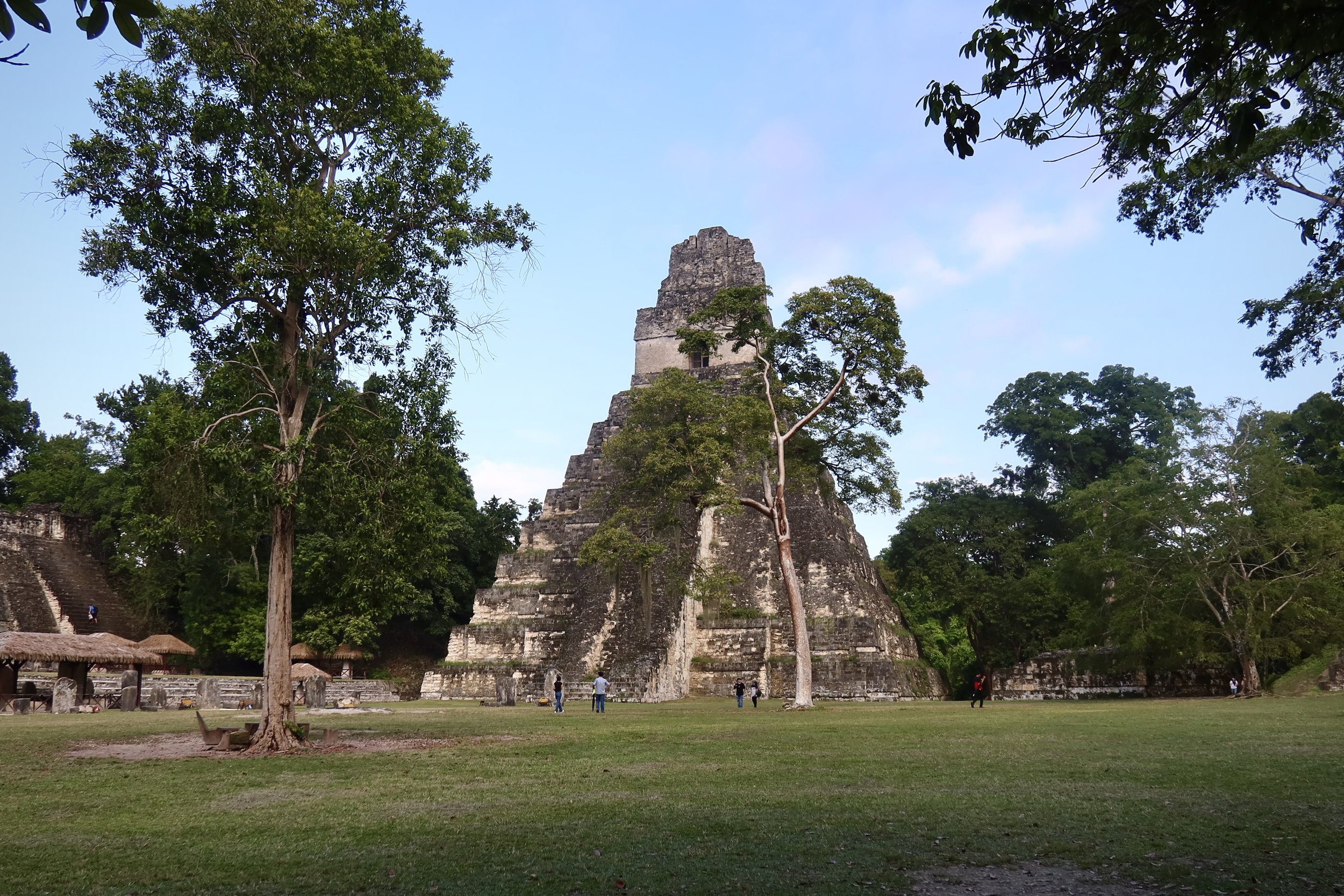
In the forests of Peten, Maya cities rose around towering temples and vast ceremonial plazas, their monuments expressing the ambitions of rival kingdoms.
The Peten region at a glance
The Peten landscape
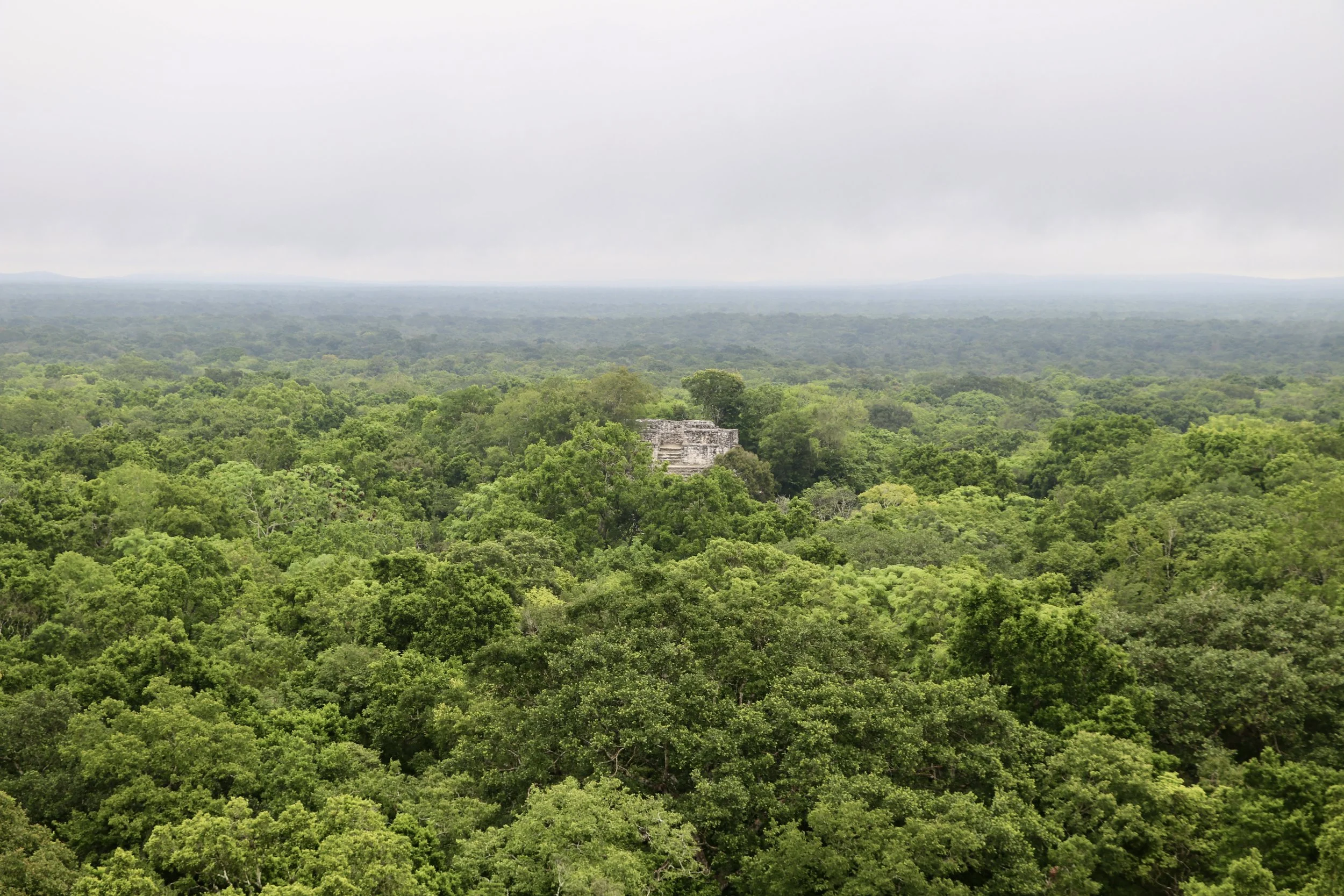
Peten is a landscape of limestone hills, forested ridges and low-lying basins. Seasonal wetlands, known as bajos, alternate with higher, better-drained ground. Around Flores and the central lakes, open water interrupts the forest, adding shorelines and islands to the terrain.
Water availability changes sharply through the year. Seasonal rains flood the lowlands, while the dry season makes dependable supplies essential. Away from lakes and rivers, Maya communities stored rainwater. At Tikal, reservoirs and channels formed an integral part of the city.
Settlement extended beyond the monumental centers visible today. Houses, cultivated land, terraces and connecting routes occupied a countryside that Maya communities actively managed. The forest surrounding the temples now conceals much of this inhabited landscape, making ancient cities appear more isolated than they once were.
The Peten architecture
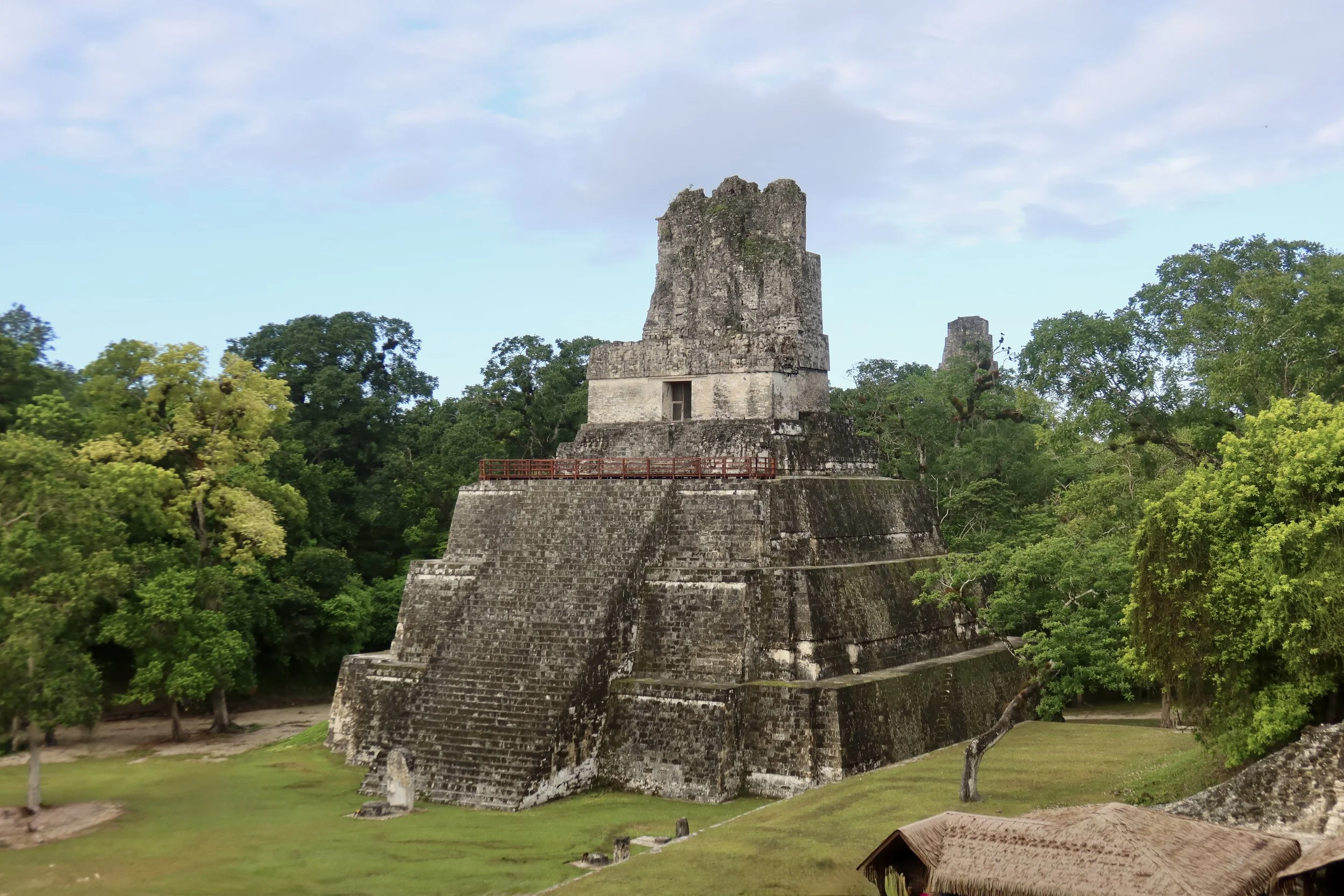
Peten’s monumental architecture developed around massive stepped platforms, temple pyramids and raised complexes overlooking plazas. At Tikal and Calakmul, these forms gave ceremonial centers an imposing scale and expressed the ambitions of powerful royal courts.
Corbel vaults covered interior rooms, while modeled stucco and painted surfaces decorated buildings. Roof combs, particularly prominent at Tikal, extended temples’ height and carried elaborate imagery connecting rulers with the supernatural world.
Cities grew through successive building campaigns, as new temples enclosed earlier structures and platforms expanded. Palaces, courtyards and residential buildings complemented the pyramids, accommodating court life and the activities of an urban population.
A landscape of rival kingdoms
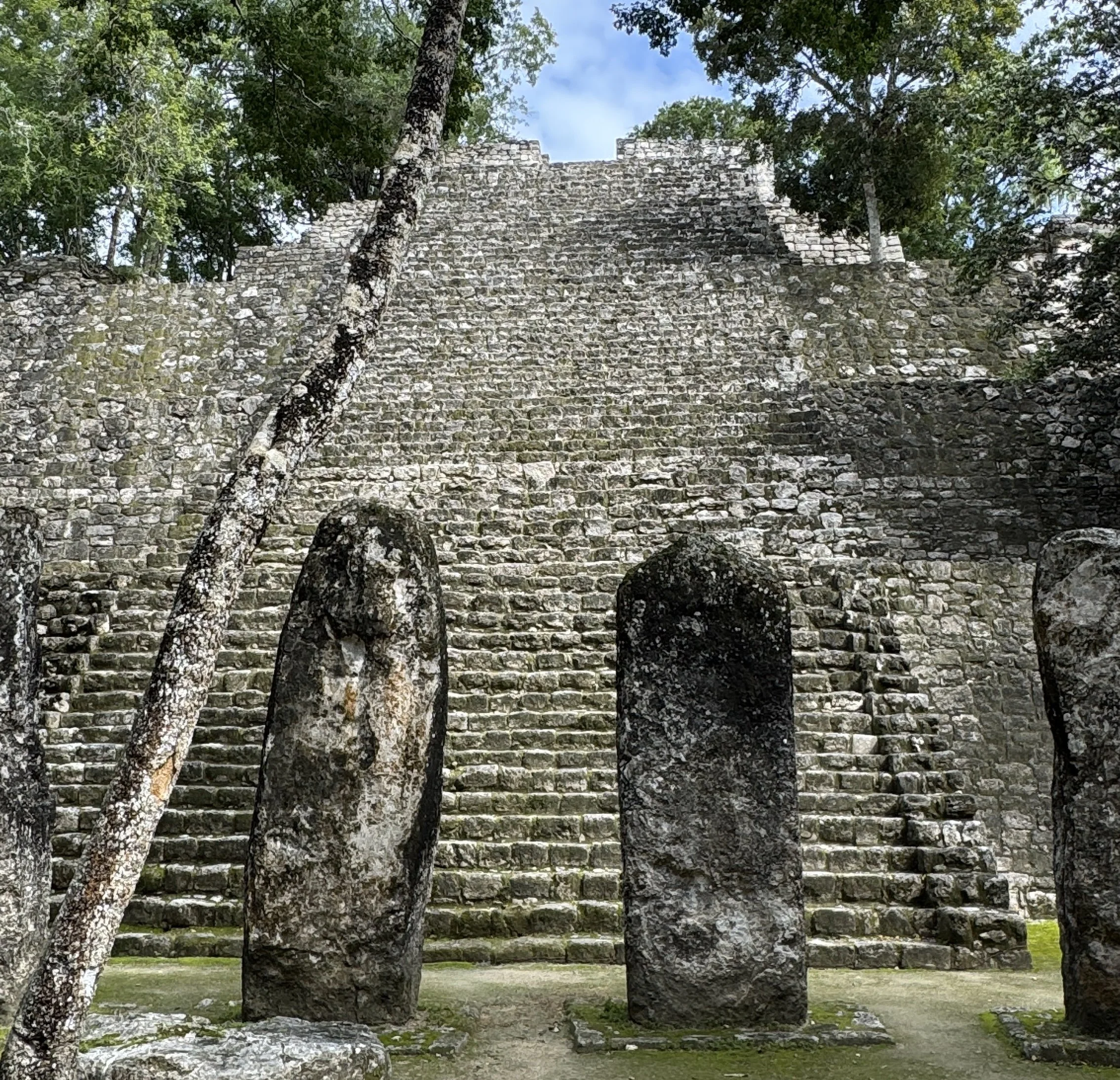
During the Classic period, Peten was a landscape of competing kingdoms. Royal dynasties governed cities whose influence extended through alliances, marriages and warfare, connecting their fortunes across the central Maya lowlands.
Tikal and Calakmul became two of the most powerful centers in this political world. Their rivalry involved networks of allied and subordinate kingdoms, whose rulers negotiated loyalties and pursued ambitions of their own. Victories could strengthen a dynasty’s influence; defeats could unsettle relationships across the region.
Power also took visible form. Carved stelae and hieroglyphic inscriptions commemorated royal accessions, ceremonies and military achievements. At Calakmul, numerous monuments recorded the lives and deeds of its ruling families, turning public spaces into settings for dynastic memory. These accounts presented the past from the ruling dynasty’s perspective, using ancestry and achievement to reinforce its right to govern.
Tikal & Calakmul, headline TBC I STOPPED HERE
key site
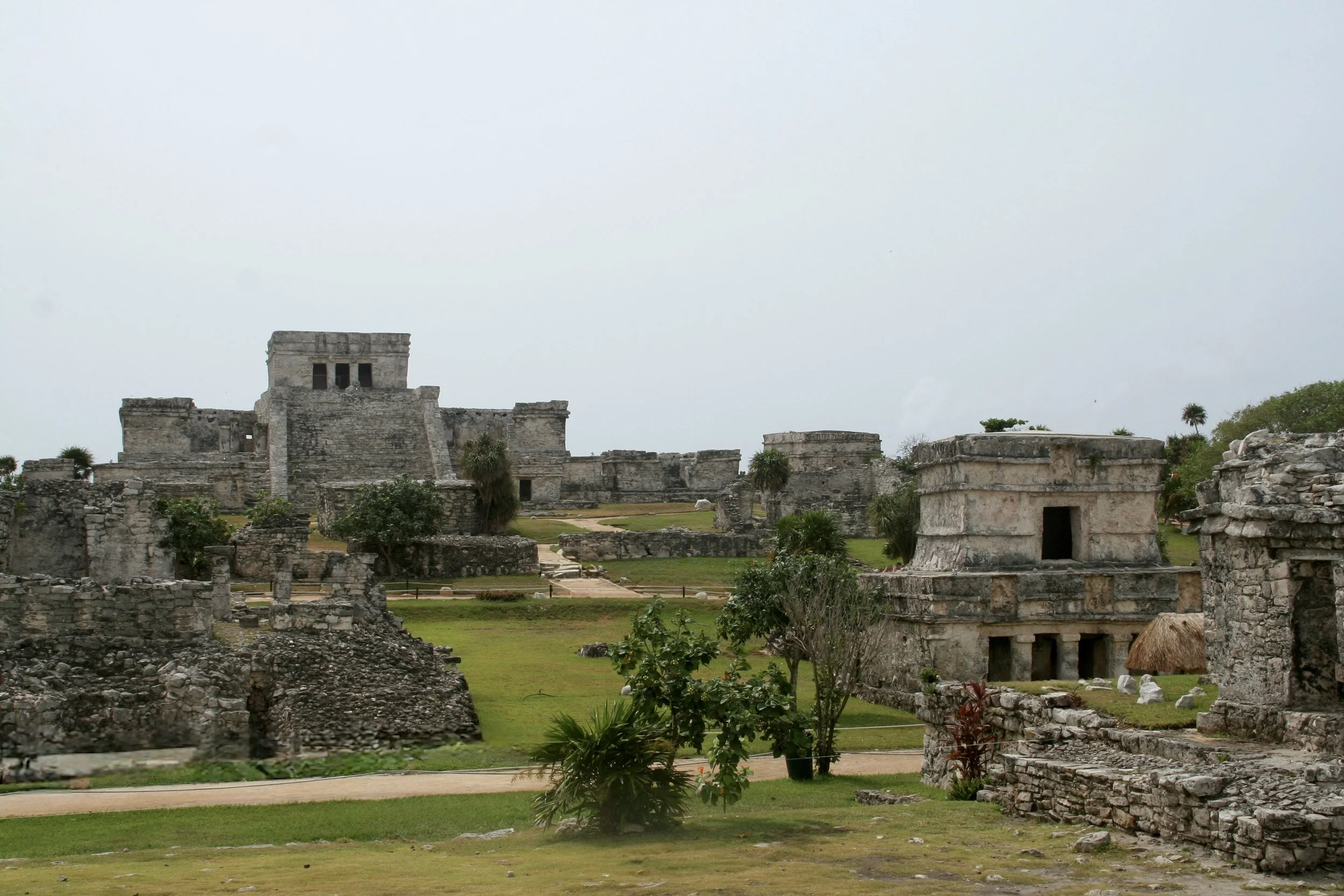
Tulum
Perched on cliffs above the Caribbean, Tulum is the best-known expression of the Costa Oriental’s maritime world. Its walls enclose temples, palaces, and shrines, with El Castillo its masterpiece. Tulum offers a vivid introduction to the region’s distinctive architecture and life beside the sea.
Other selected Costa Oriental sites

El Meco
A compact coastal center overlooking the waters near Isla Mujeres, El Meco played an important role in Maya maritime trade. Its main pyramid, El Castillo, rises above a central plaza, making it a distinctive example of Costa Oriental architecture.
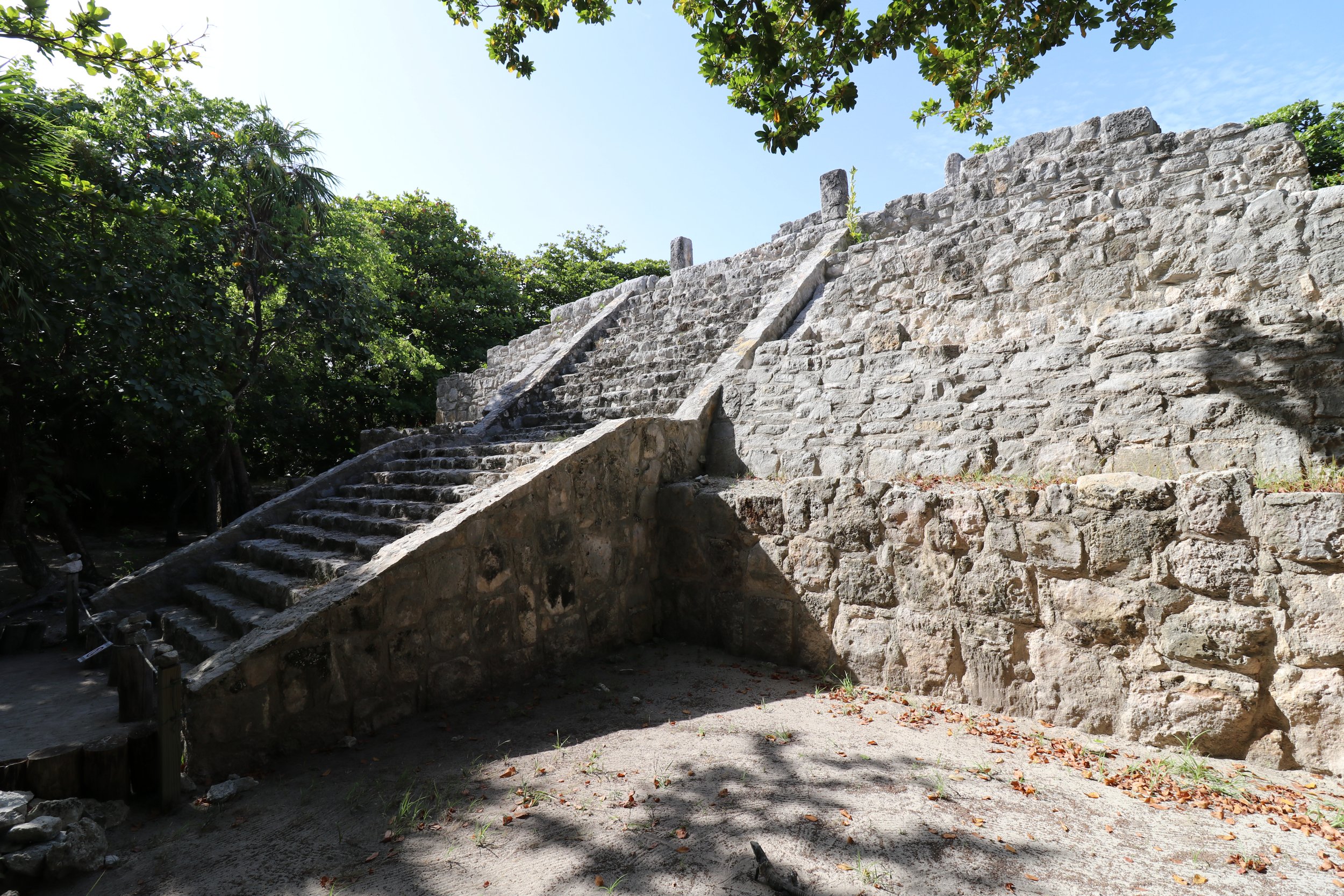
San Miguelito
A small Maya settlement on Cancun island, San Miguelito formed part of the Costa Oriental’s maritime trading network. The site shows traces of a coastal community that flourished during the Postclassic period.
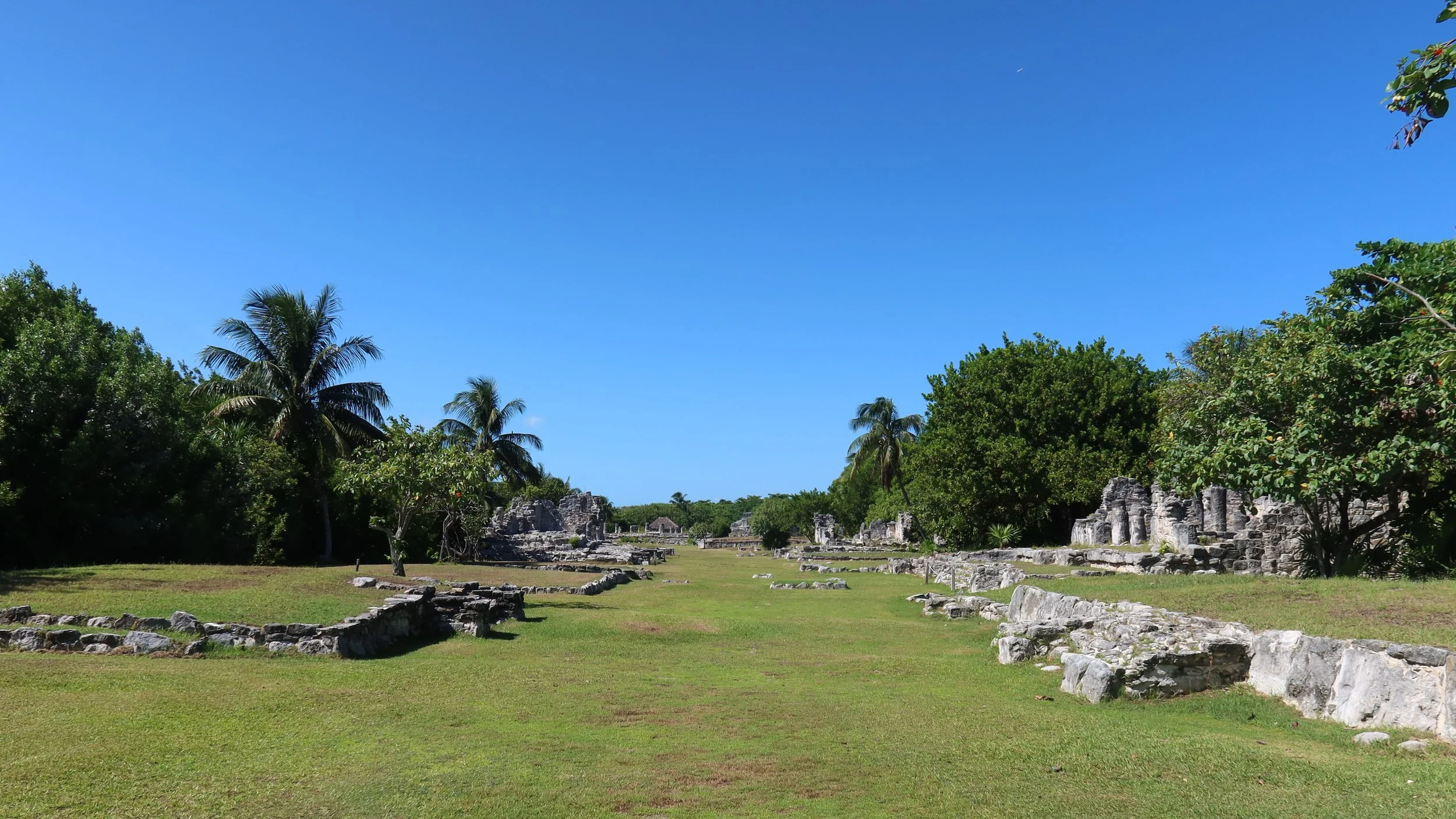
El Rey
El Rey’s low platforms, columns, and temple remains trace the outline of a Maya town on Cancun island. Active during the Postclassic period, it offers a modest but revealing glimpse of the Costa Oriental’s architecture and coastal life.
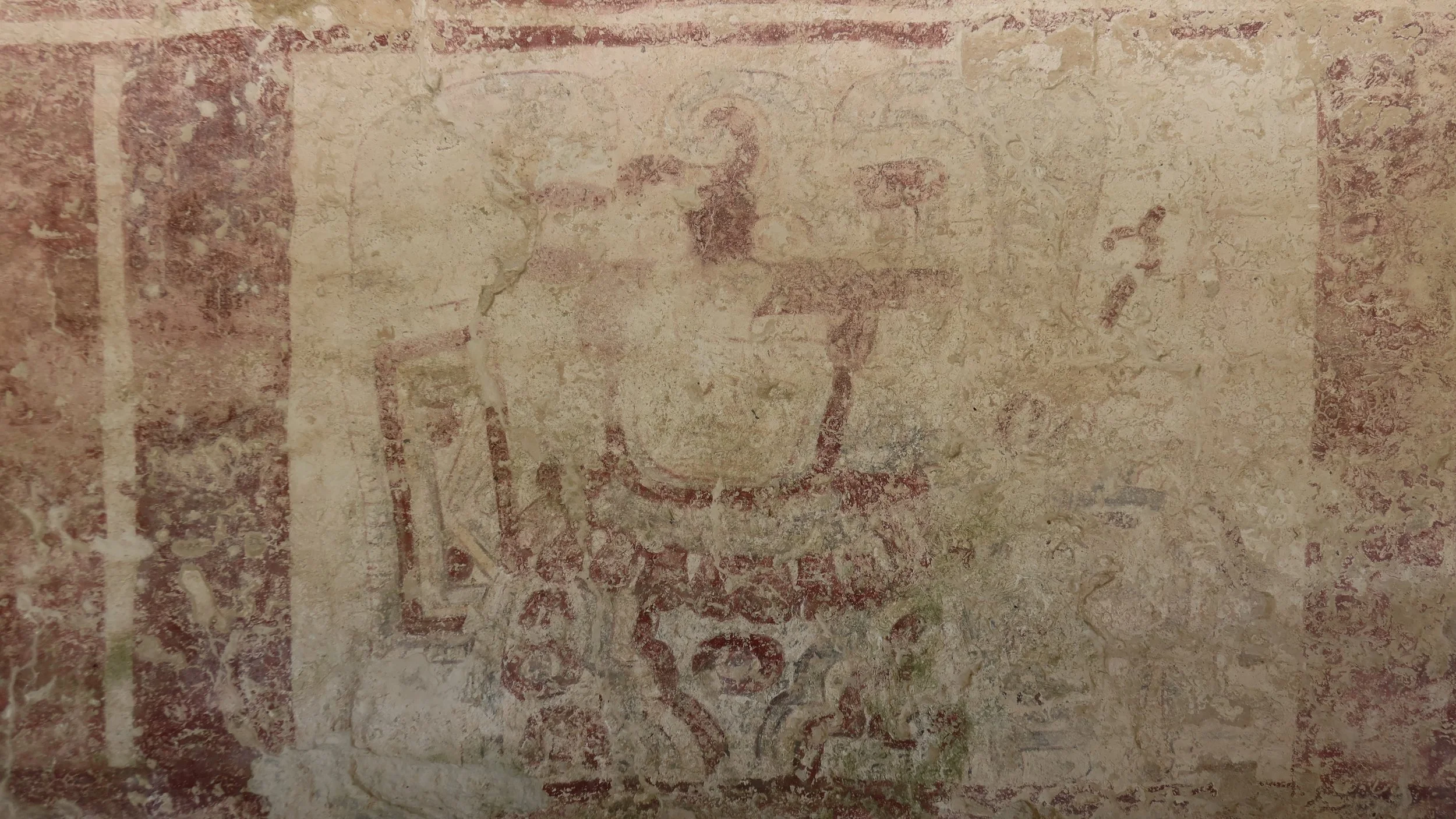
Xelha
Wooded paths lead through Xelha’s temples and palaces, where fragments of painted birds survive on ancient walls. With roots extending back to the Early Classic period, this former port reveals a long history.
Xamanha
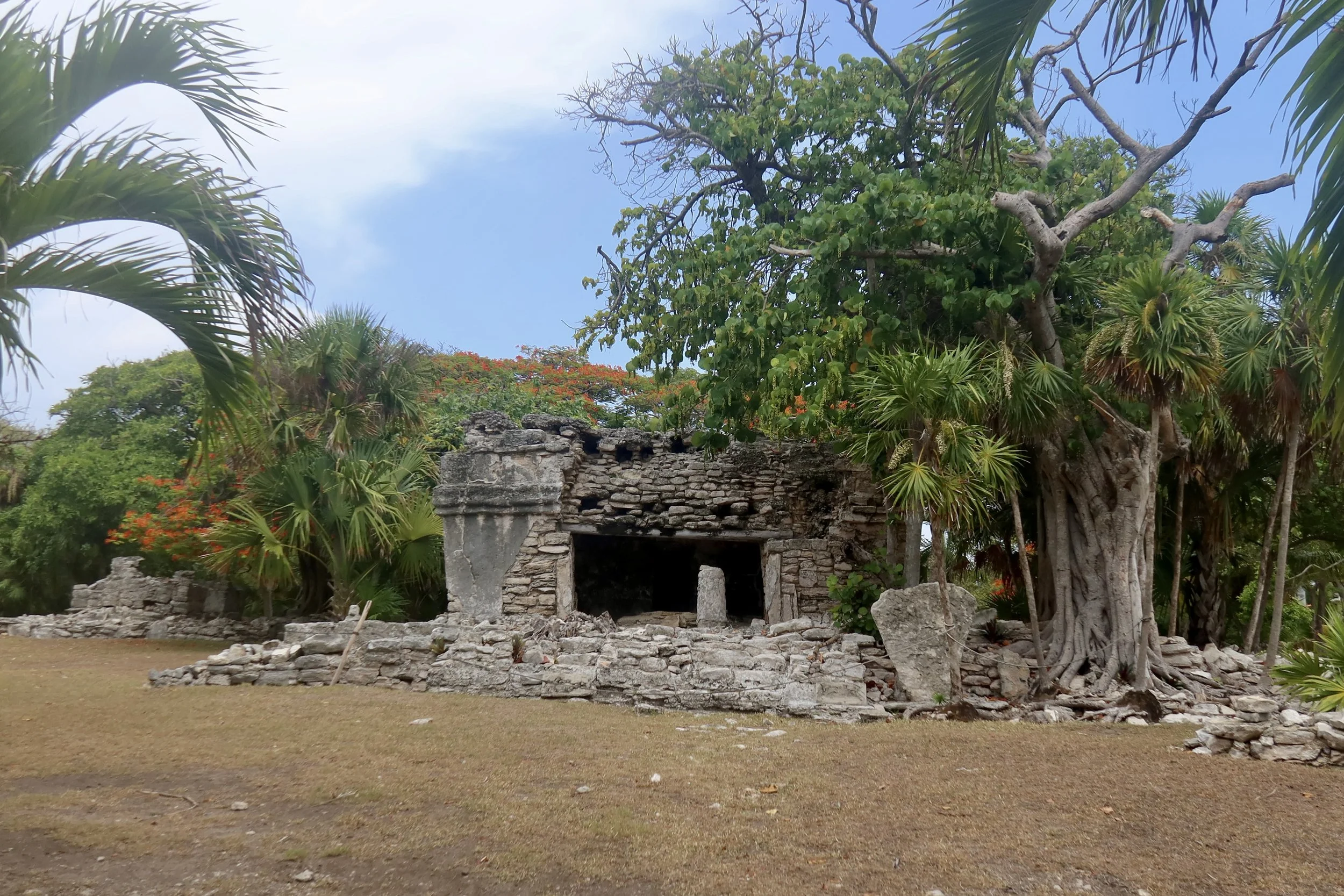
Scattered among Playacar’s gardens, Xamanha’s small temples preserve a quieter chapter of the Costa Oriental’s history. This Postclassic fishing community stood opposite Cozumel and may have served as a departure point for island crossings.
Costa Oriental influence inland
Muyil
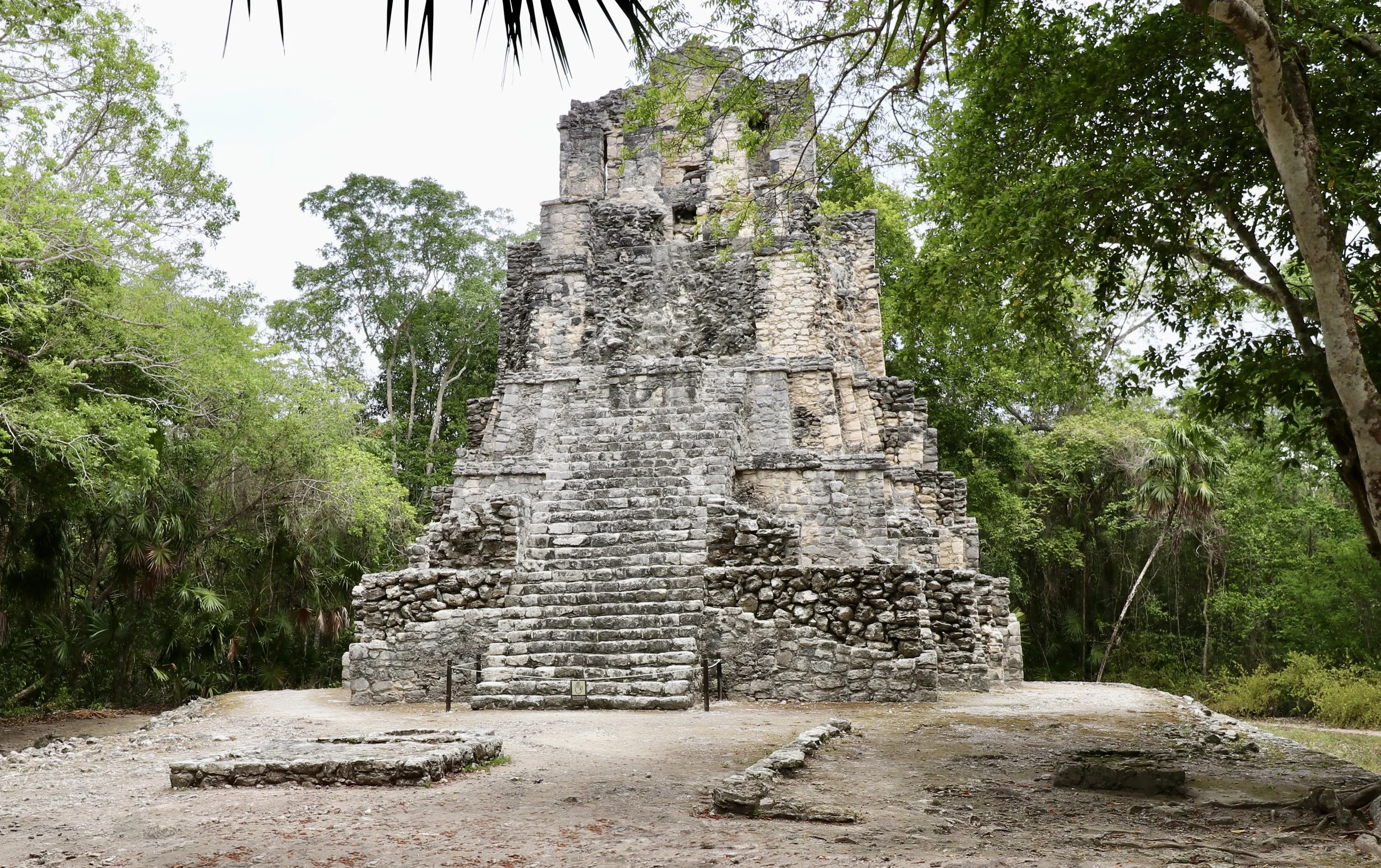
Muyil combines architectural traditions from different periods. El Castillo reflects the Peten style, while later temples display Costa Oriental features, revealing the city’s far-reaching connections.
KEEP EXPLORING
Continue through the Maya world
Discover its cultural regions, archeological sites and itineraries.