Cultural Regions
Introduction
The Maya world encompasses distinct regional traditions, connecting cities through architecture, history, and landscape. Exploring these regions offers another way to understand both the diversity of individual sites and their place in a wider world. Use the map below to explore each region through the places I’ve visited.
The Great Capitals
-
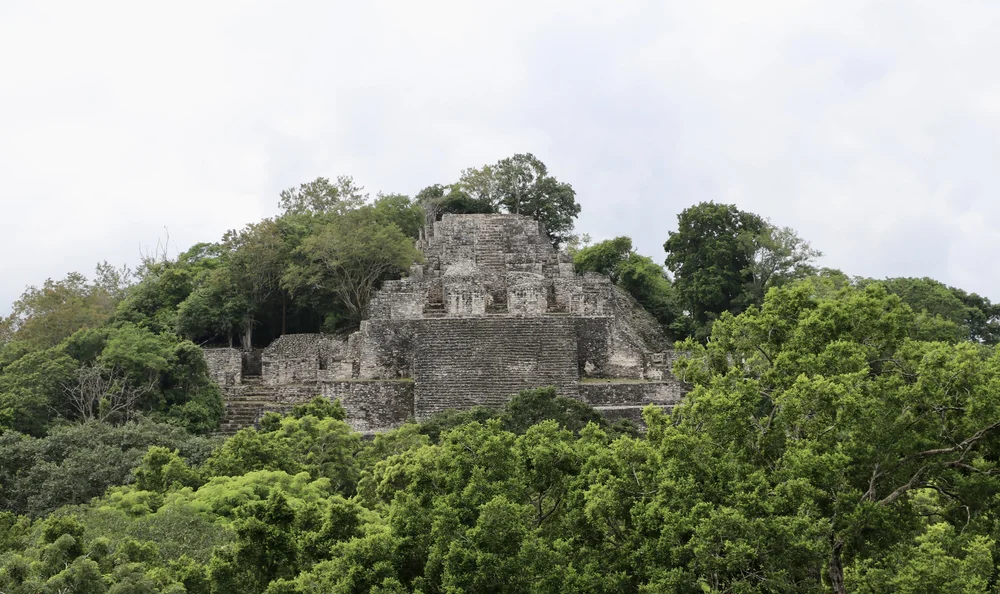
Calakmul
One of the great Classic Maya capitals, set deep in the biosphere, where dynastic power once rivaled Tikal.
Experience Calakmul → -
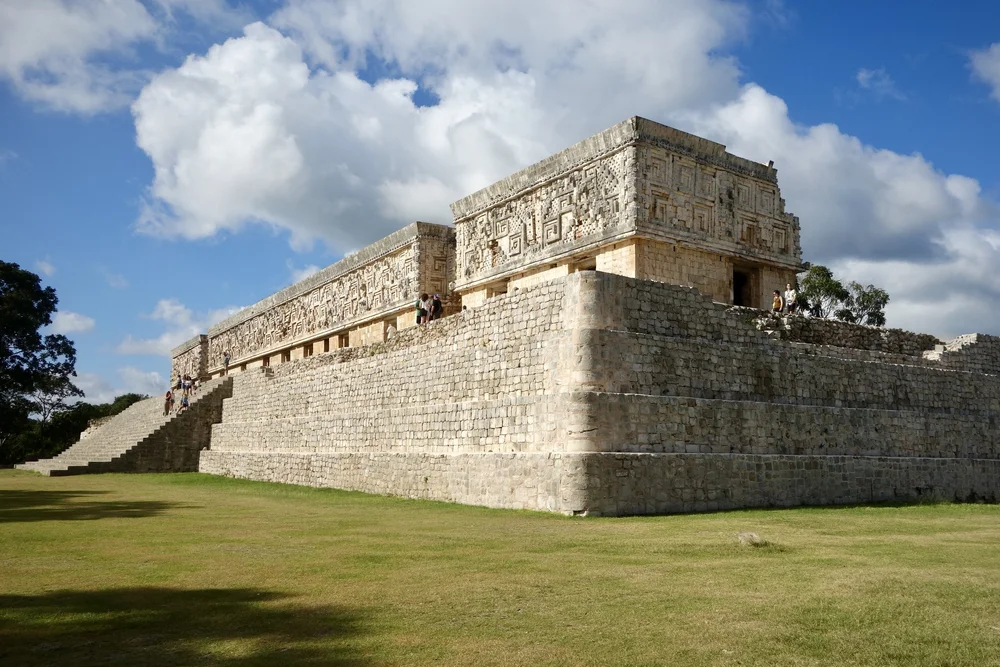
Uxmal
The high point of Puuc architecture, where elaborate stone facades give the city its distinctive character.
Experience Uxmal → -
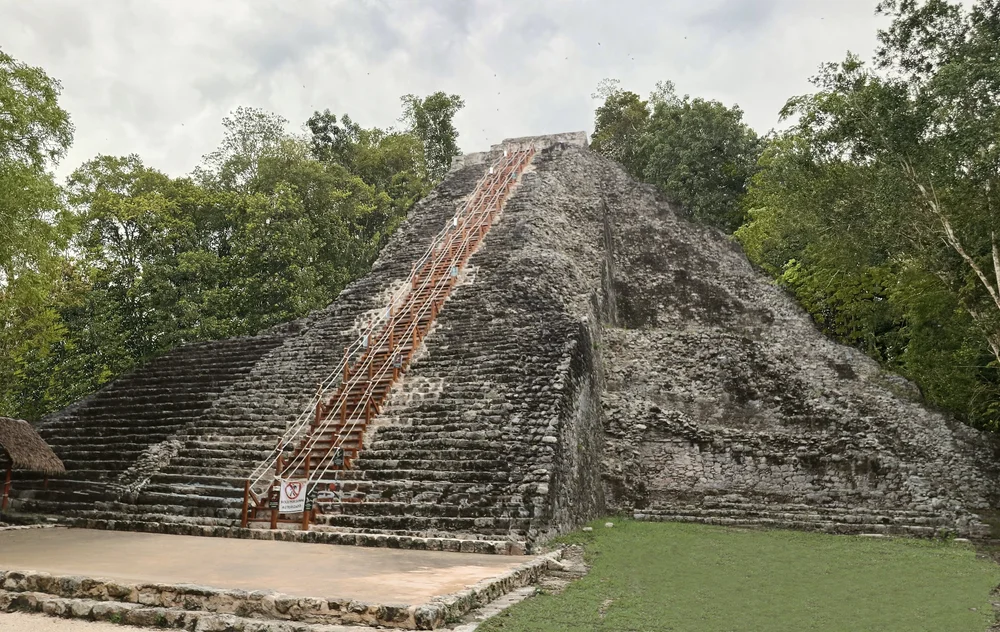
Coba
A forest capital between Maya worlds, connected by sacbes and punctuated by monumental pyramids.
Experience Coba → -
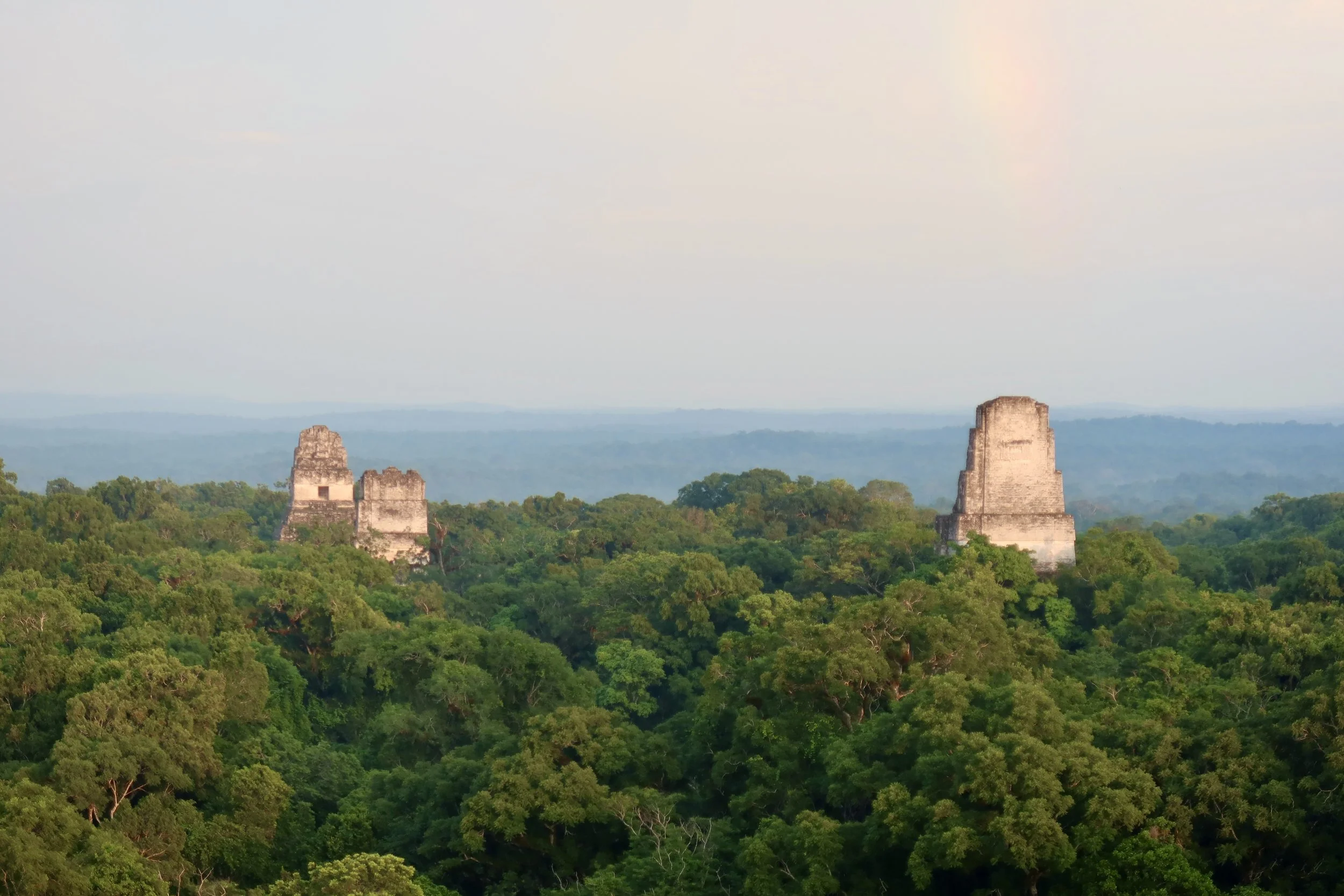
Tikal
Towering temples and ceremonial plazas in the forests of Guatemala’s Peten.
Coming soon -
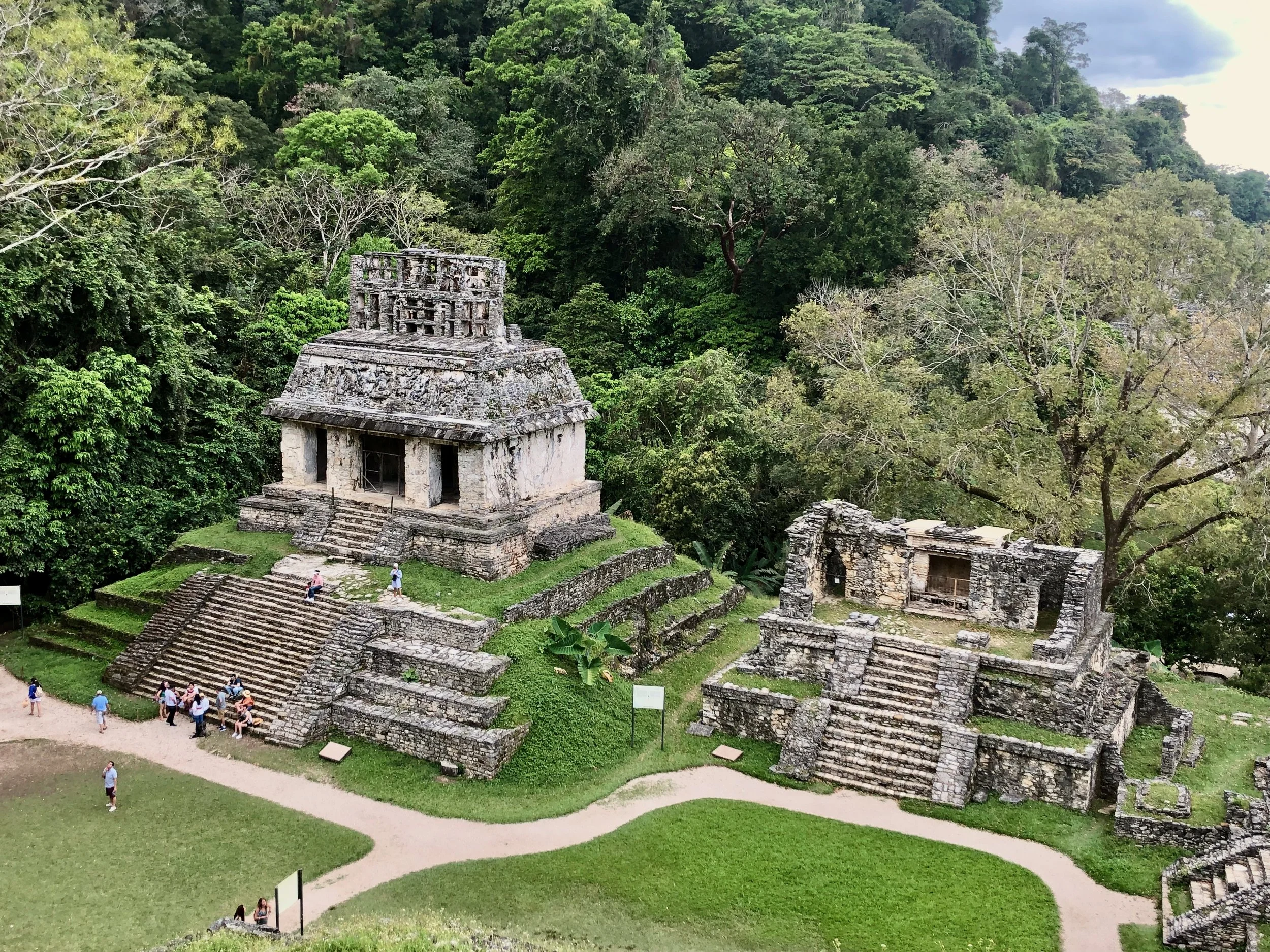
Palenque
Temples, palaces, and carved inscriptions at the forested edge of the Maya lowlands.
Coming soon -

Chichen Itza
A monumental city of pyramids, columned halls, and the circular Caracol observatory.
Coming soon -

Copan
A city of carved rulers and hieroglyphic monuments in the Copan Valley.
Coming soon -

Caracol
The monumental Caana complex at the heart of a forest capital in Belize.
Coming soon -

El Mirador
A remote city in the forests of northern Guatemala, with monumental architecture still emerging from the canopy.
Coming soon -

Mayapan
A walled capital whose temples recall Chichen Itza and the later history of Maya power.
Coming soon
Beyond the Great Capitals
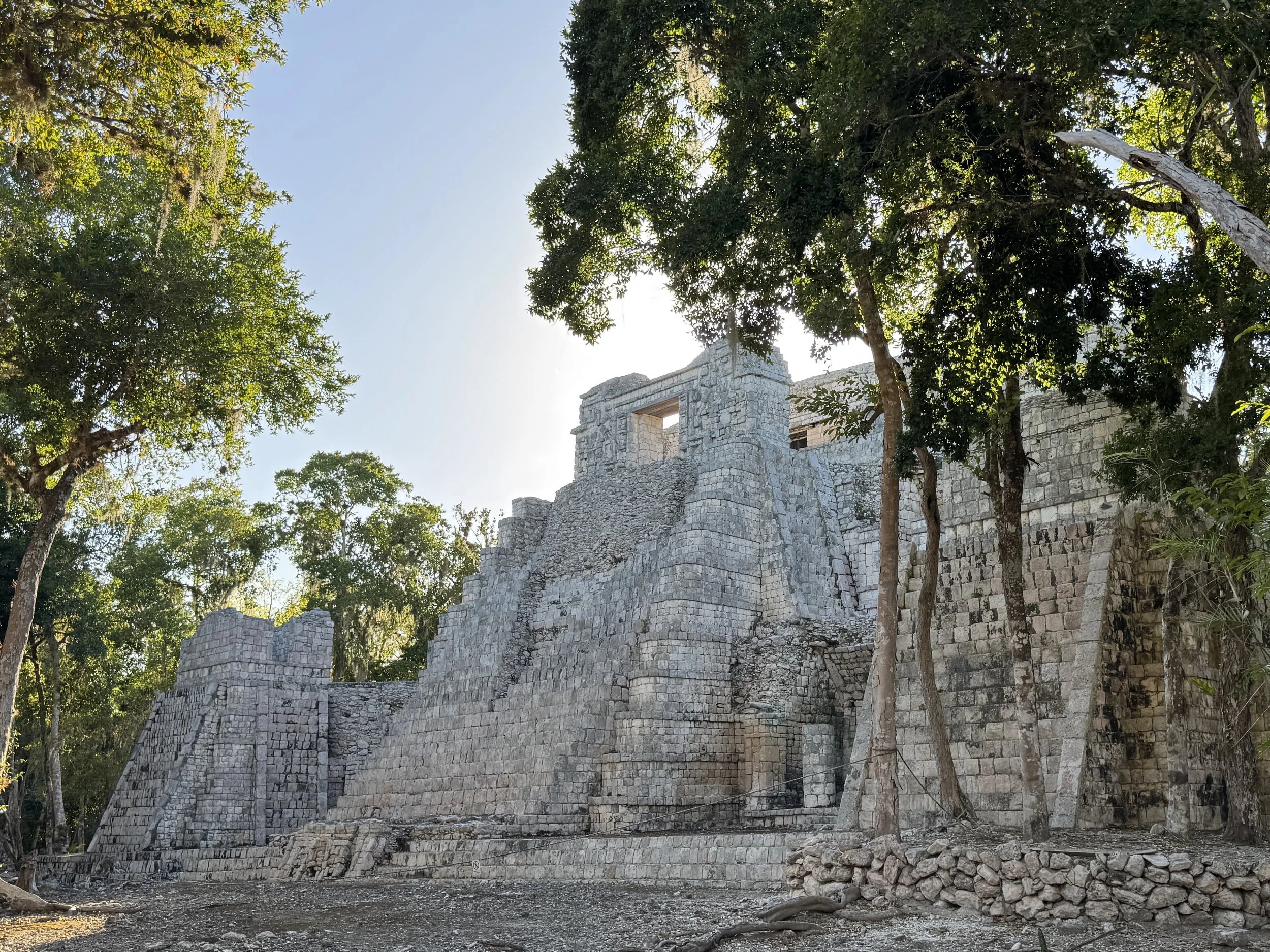
Cities in the Forest
Follow quieter roads to Maya cities where forest surrounds the architecture and the visit moves at a different pace.
Explore the forest cities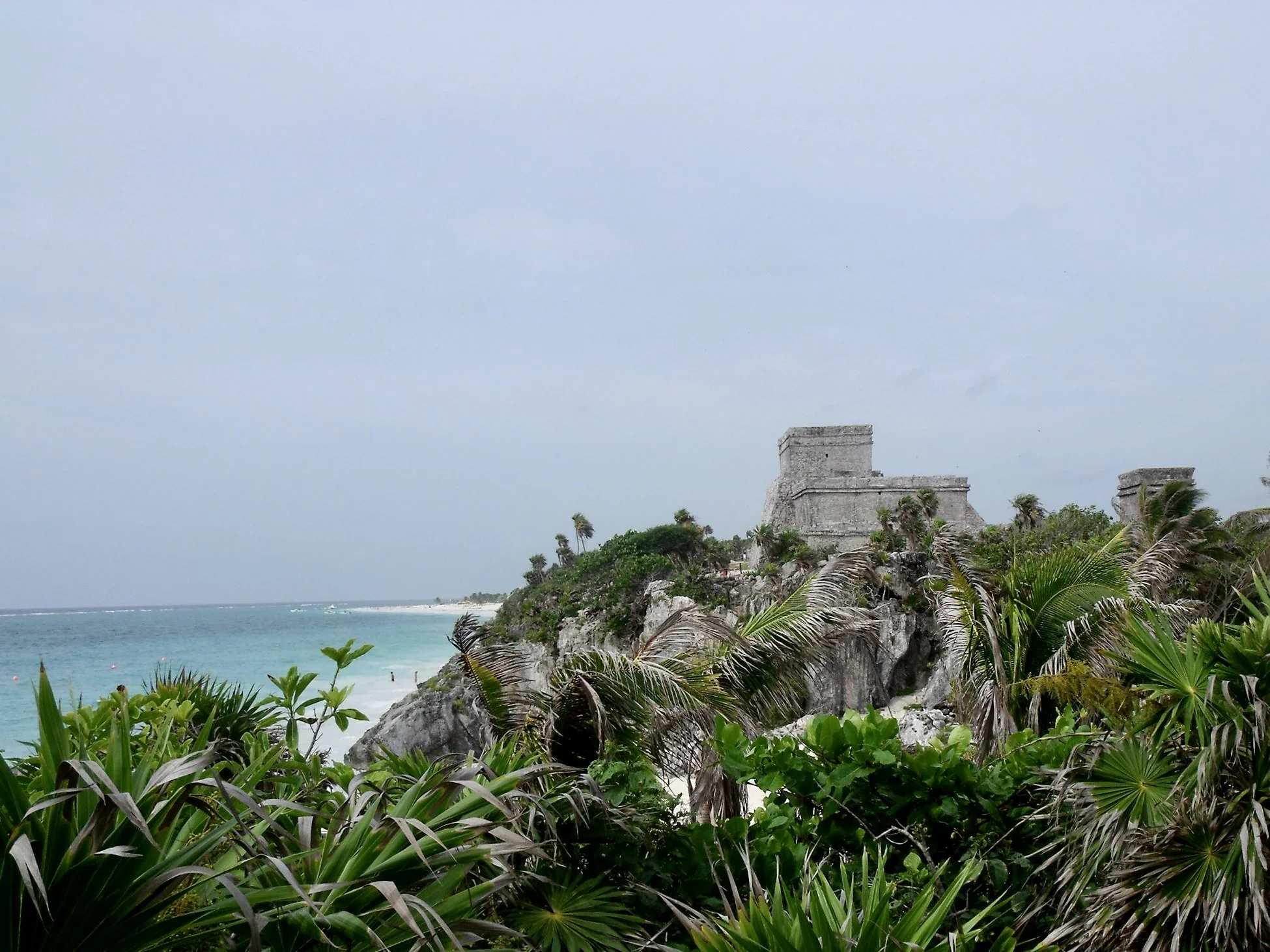
Cultural Regions
See how architecture and landscape connect cities across the different regions of the Maya world.
Explore the regions
Itineraries
Bring the cities together into a journey, with routes built around where you are staying.
Find your routeA note on the Cultural Regions map: areas are schematic and approximate, not historical borders. Traditions overlap and changed over time. This map focuses on the Maya lowlands; it is not a complete map of every Maya cultural area. Sites shown in a regional view may lie outside its shaded area; their inclusion does not imply a shared architectural style.
Regional framework: Laura Gilabert, Estudios de Cultura Maya 55 (2020), figure 14 and discussion. Outlines are an editorial interpretation, not digitized survey boundaries. The Costa Oriental extent also draws on the architectural-styles display at the Museo Maya de Cancun (San Miguelito).
KEEP EXPLORING
Continue through the Maya world
Discover its cultural regions, archeological sites and itineraries.