The Puuc Hills
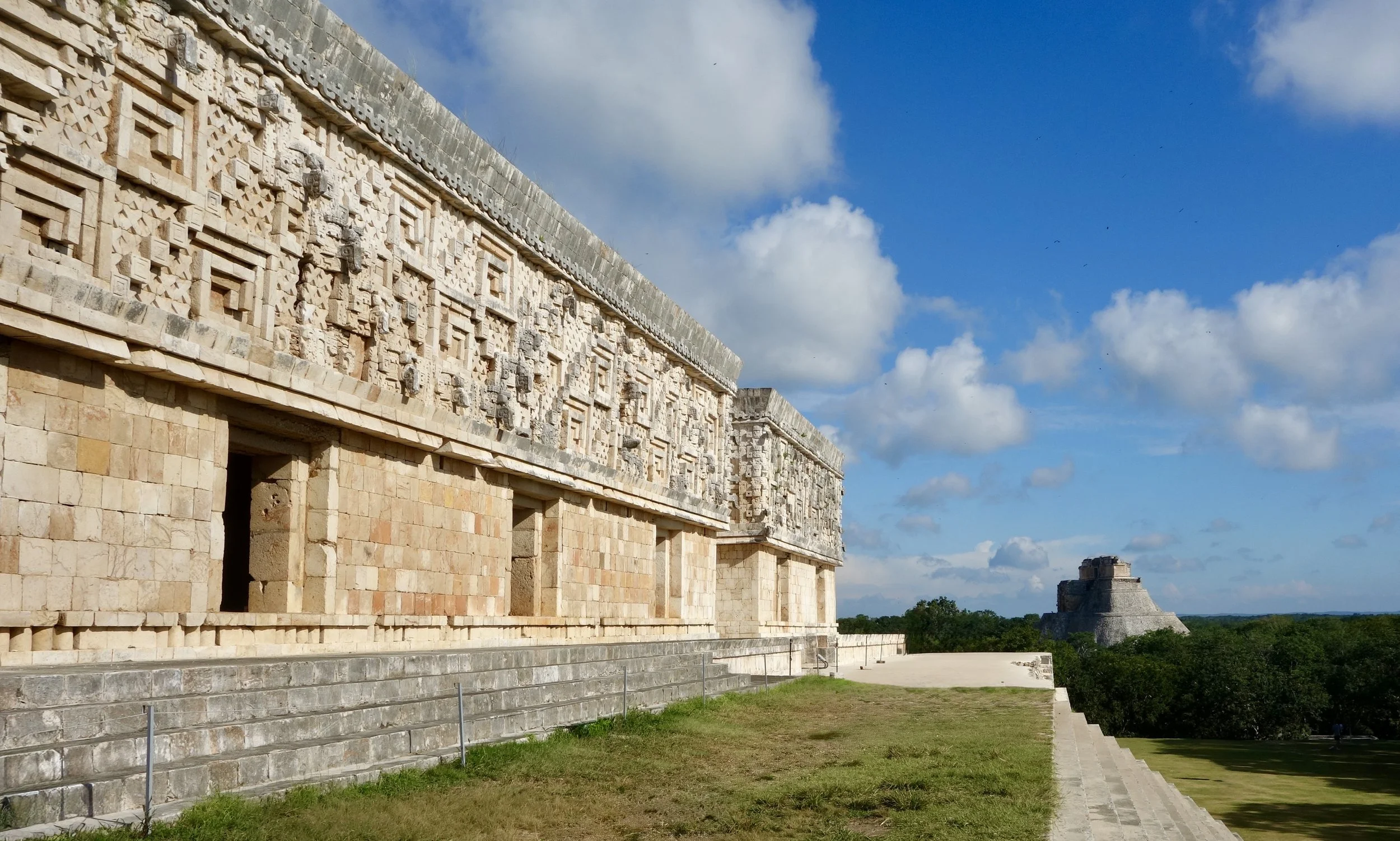
South of Merida, the land rises into low hills where Maya builders covered monumental palaces with intricate mosaics of cut stone.
The Puuc Hills at a glance
click on a dot to explore
The Puuc landscape
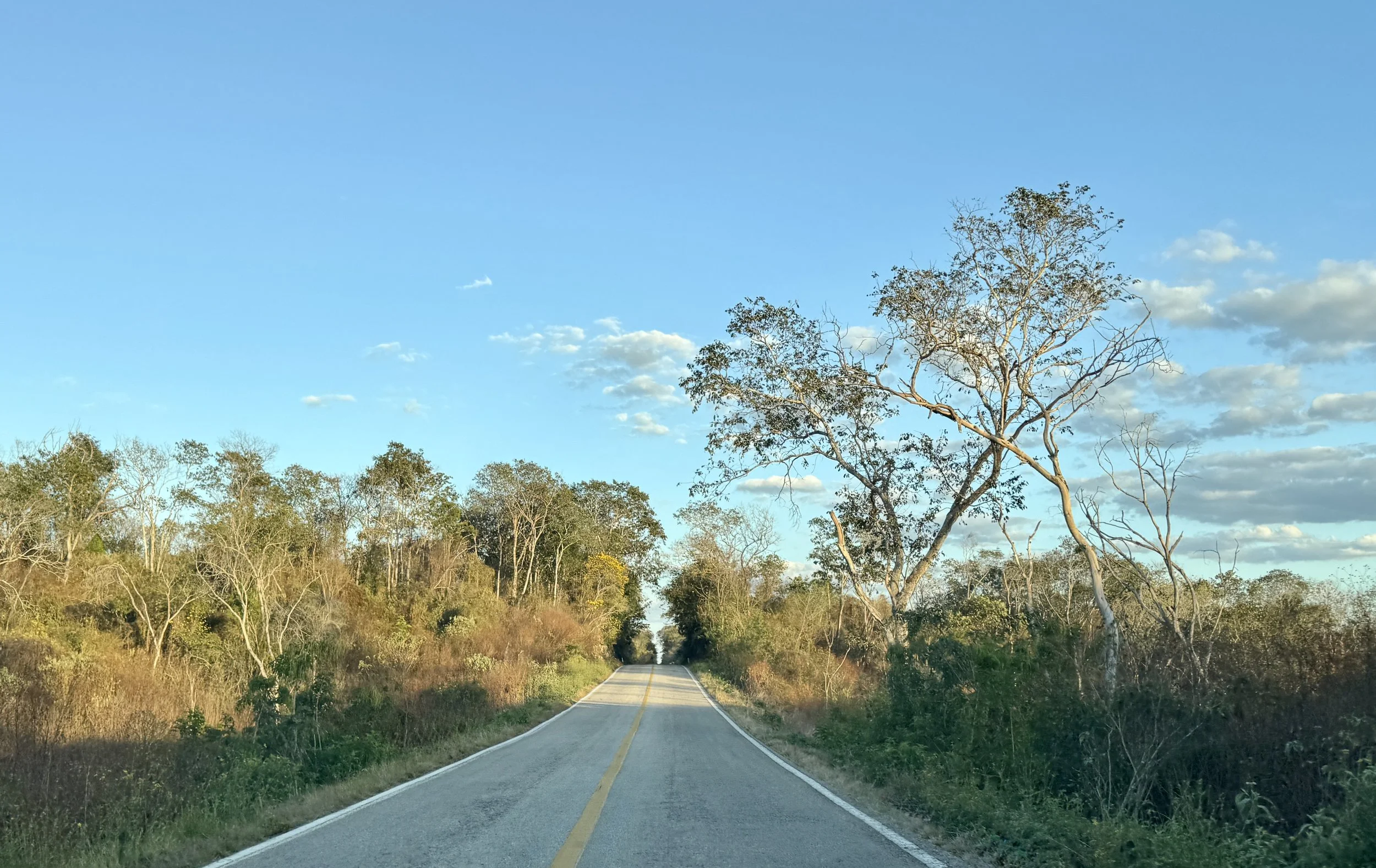
The Puuc Hills form a low limestone ridge across southern Yucatan and northern Campeche, rising gently from the otherwise flat landscape of the peninsula. The name itself derives from the Maya word for hill, but the distinction is not only topographical. The ridge created a particular environment—one that offered fertile land while imposing severe constraints on water.
Unlike much of northern Yucatan, the Puuc region has few accessible cenotes. Rain falls seasonally and then rapidly filters through the porous limestone. To sustain large communities through the long dry season, the Maya collected runoff in aguadas and excavated thousands of chultunes, underground cisterns cut into the bedrock.
These systems made dense settlement possible across a landscape that might otherwise appear inhospitable. Between the seventh and tenth centuries, cities, smaller communities, agricultural land and connecting roads extended throughout the hills.
The Puuc architecture
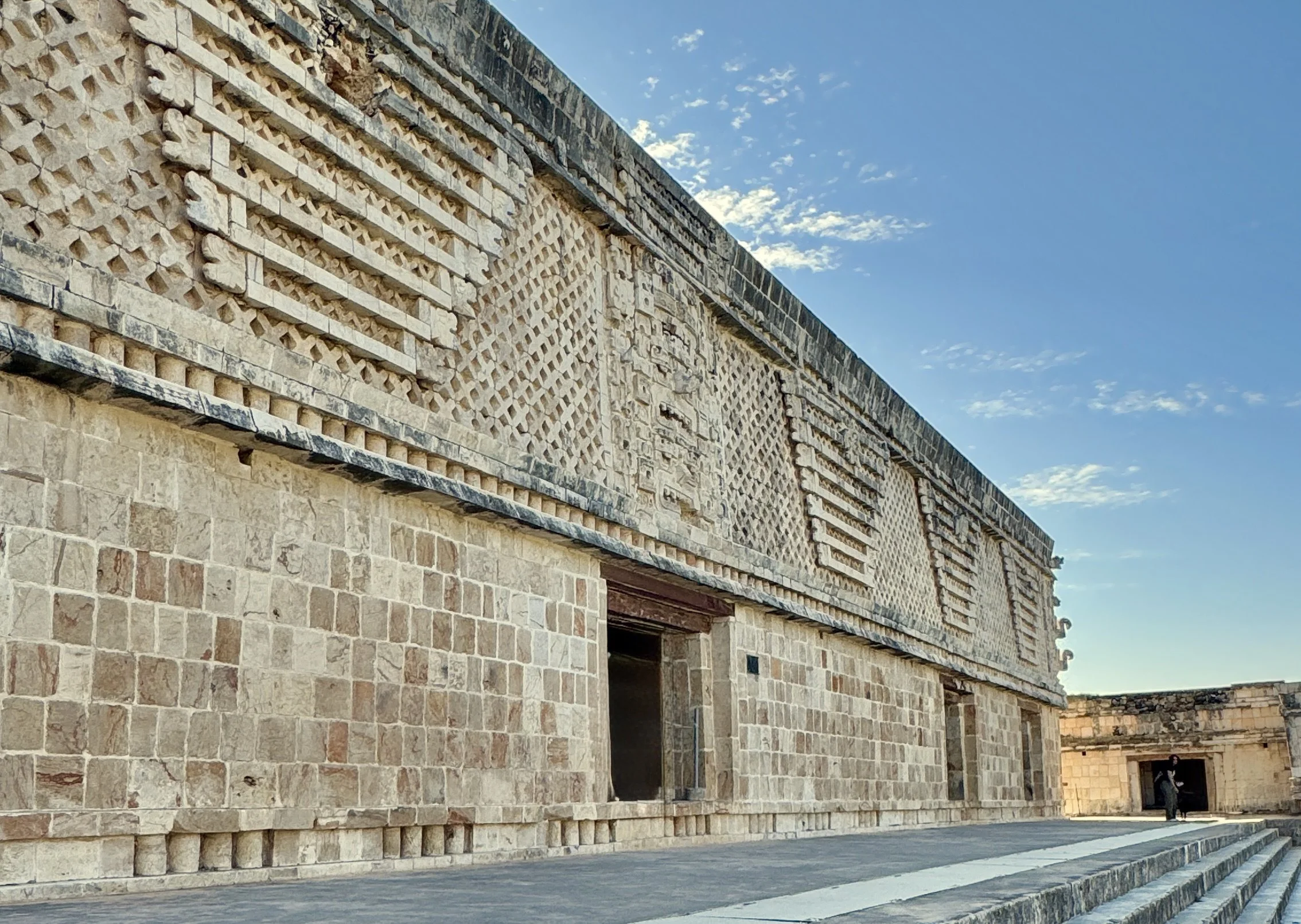
Puuc architecture is immediately recognizable for the contrast built into its façades. Carefully cut limestone blocks form restrained lower walls, interrupted only by doorways. Above them, the surfaces are elaborate: geometric mosaics, small columns and repeated masks of Chaac, the rain god.
For the ancient Maya, human life unfolded on earth, between the underworld below and the realm of the gods above. On Puuc buildings, the restrained lower walls surrounded rooms used by people, while the upper facades were animated by masks, serpents and other supernatural imagery. Puuc architecture thus brought the human and divine worlds together.
The prominence of Chaac carries particular force in a region where survival depended upon rainfall. Uxmal (pictured) represents the tradition at its most monumental, but it is not an isolated masterpiece. Kabah, Sayil, Xlapak, Labna and numerous smaller cities use the same architectural vocabulary.
Chaac, the rain god.
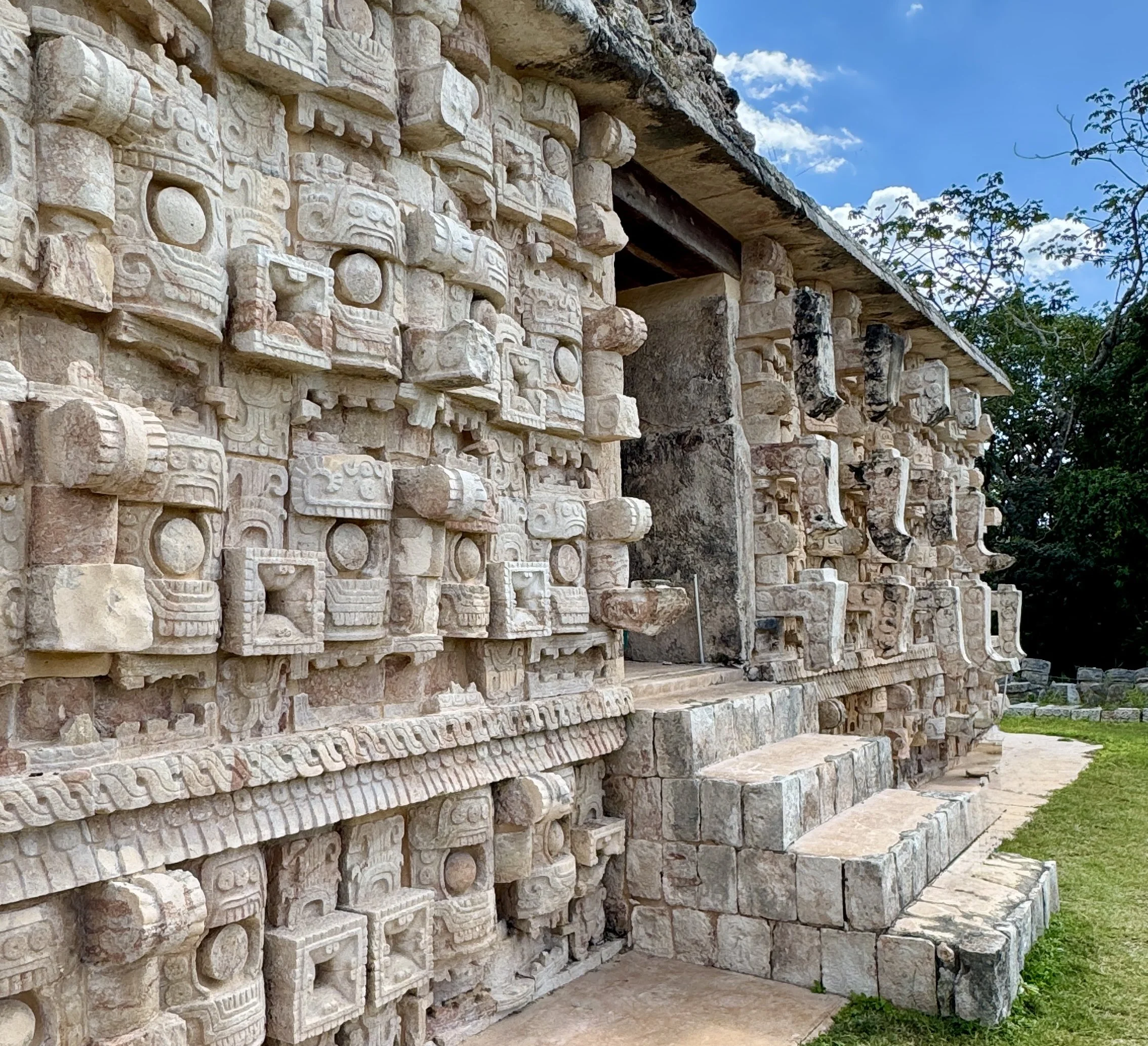
Chaac was the Maya god of rain, storms and agricultural fertility. His presence carried particular weight in the Puuc hills, where cities depended on collecting seasonal rainfall. Images of the deity connected water not only with survival, but also with ritual and political power.
On Puuc buildings, Chaac appears as a stylized mask with large eyes, fangs and a long, curling nose. Each face was assembled from separately carved pieces of limestone. The masks could then be repeated across upper facades, placed above doorways or stacked vertically along the corners of buildings.
At Kabah (pictured), hundreds of masks cover the Palace of the Masks. Elsewhere, they emerge from geometric mosaics or form long cascades across facades. From Uxmal to Labna, Chaac is one of the most persistent images in Puuc architecture.
Uxmal, the Puuc highlight
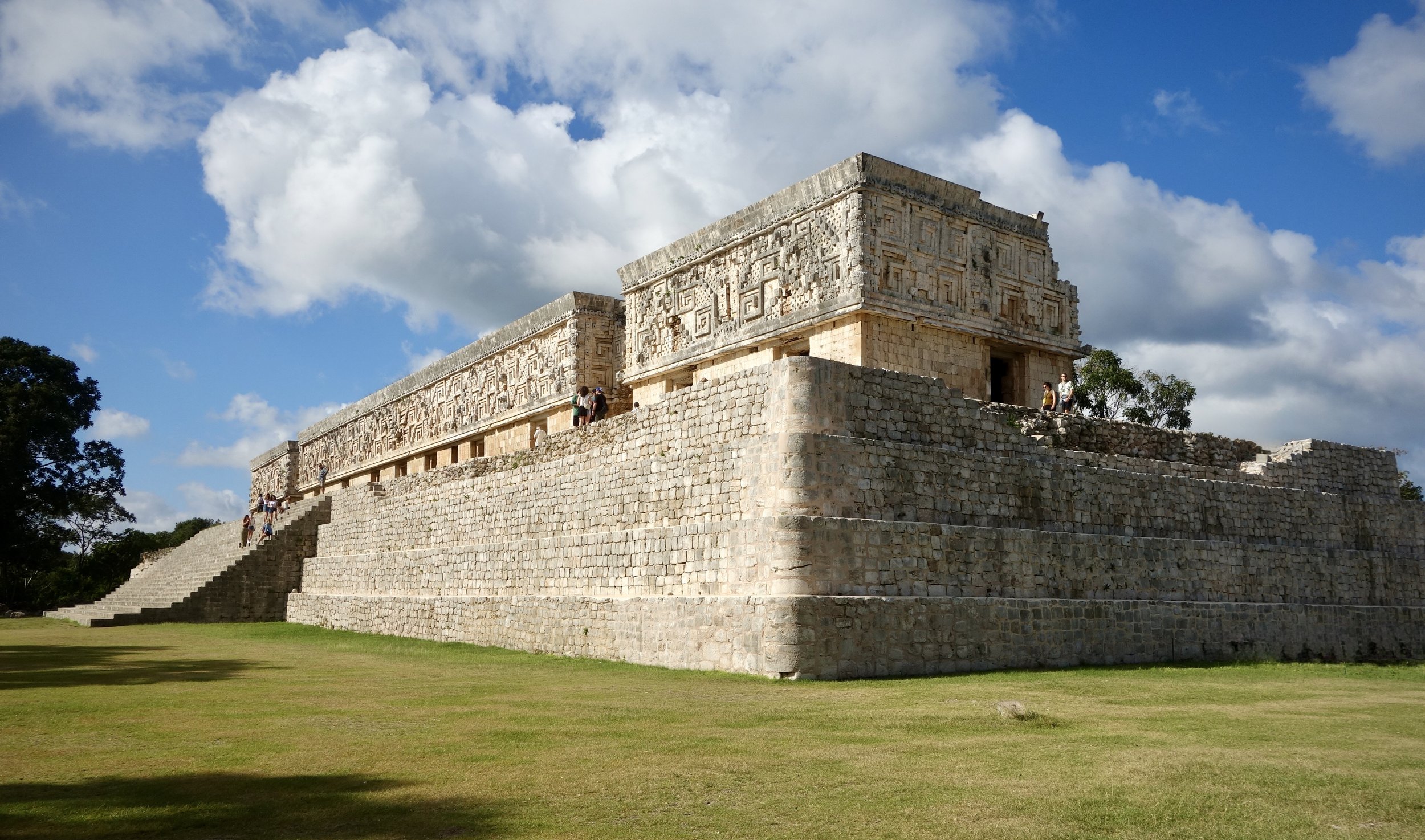
key site
Uxmal
The monumental heart of the Puuc region and a UNESCO World Heritage site, Uxmal combines imposing scale with unusually harmonious architecture. Its palaces and temples display the stone mosaics, geometric patterns and masks of Chaac that define the Puuc style.
The other Puuc sites
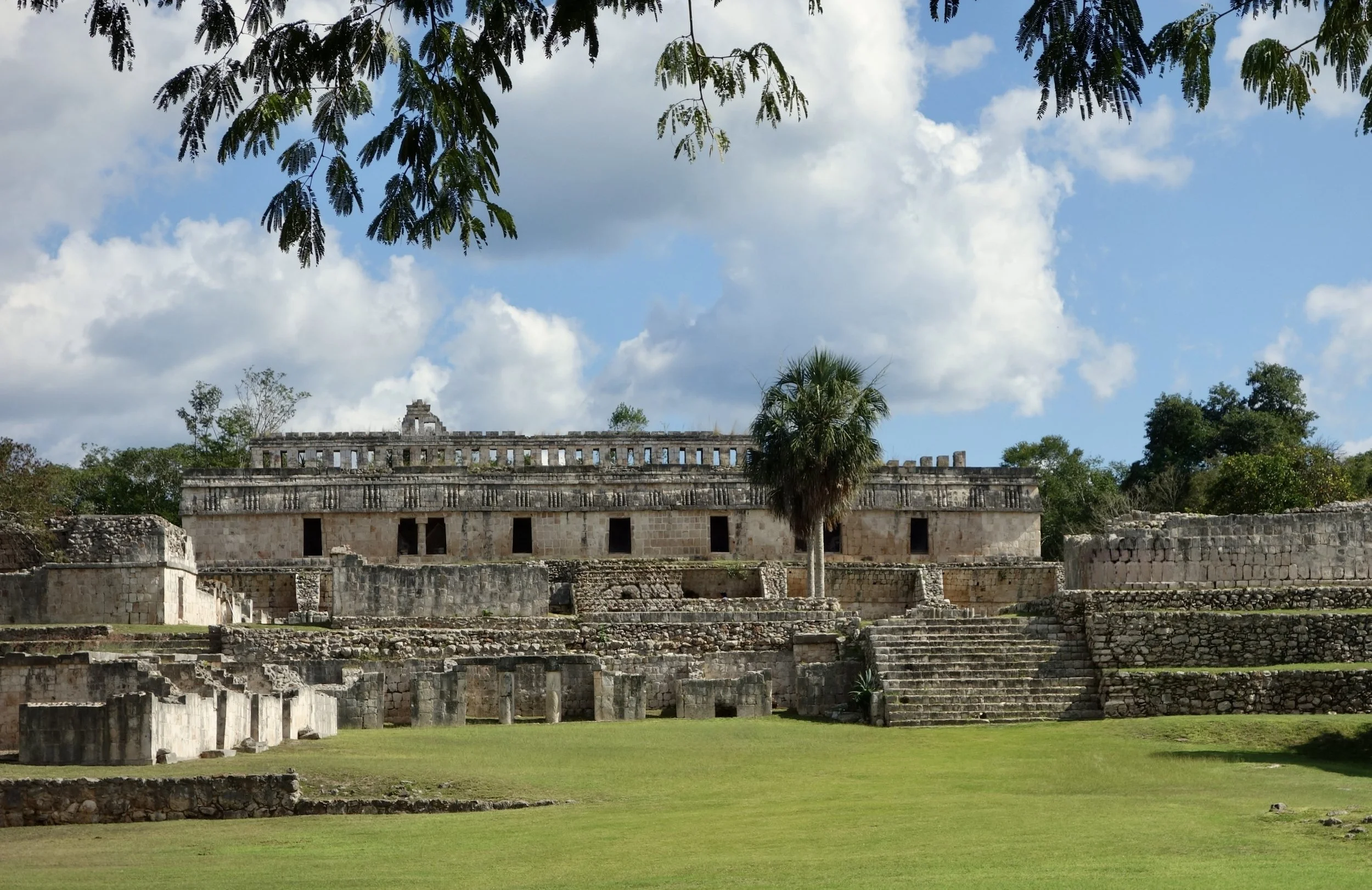
Kabah
A compact but highly expressive site, defined by the dense, almost overwhelming façade of the Palace of the Masks. One of the most direct and legible statements of the Puuc style.
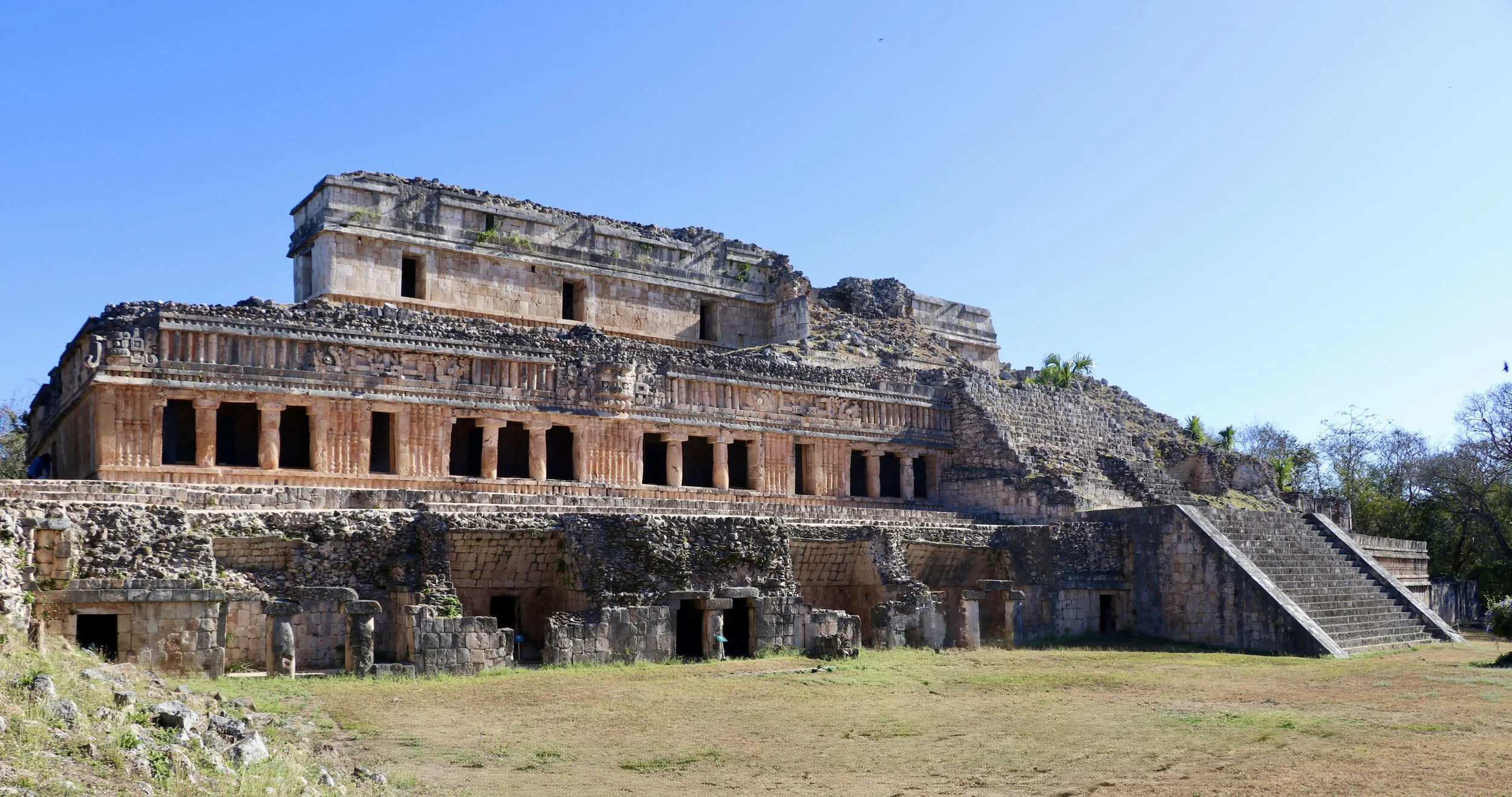
Sayil
A long, imposing palace surrounded by woods, where scale becomes the dominant impression. Less intricate than Kabah, but more about mass and presence.
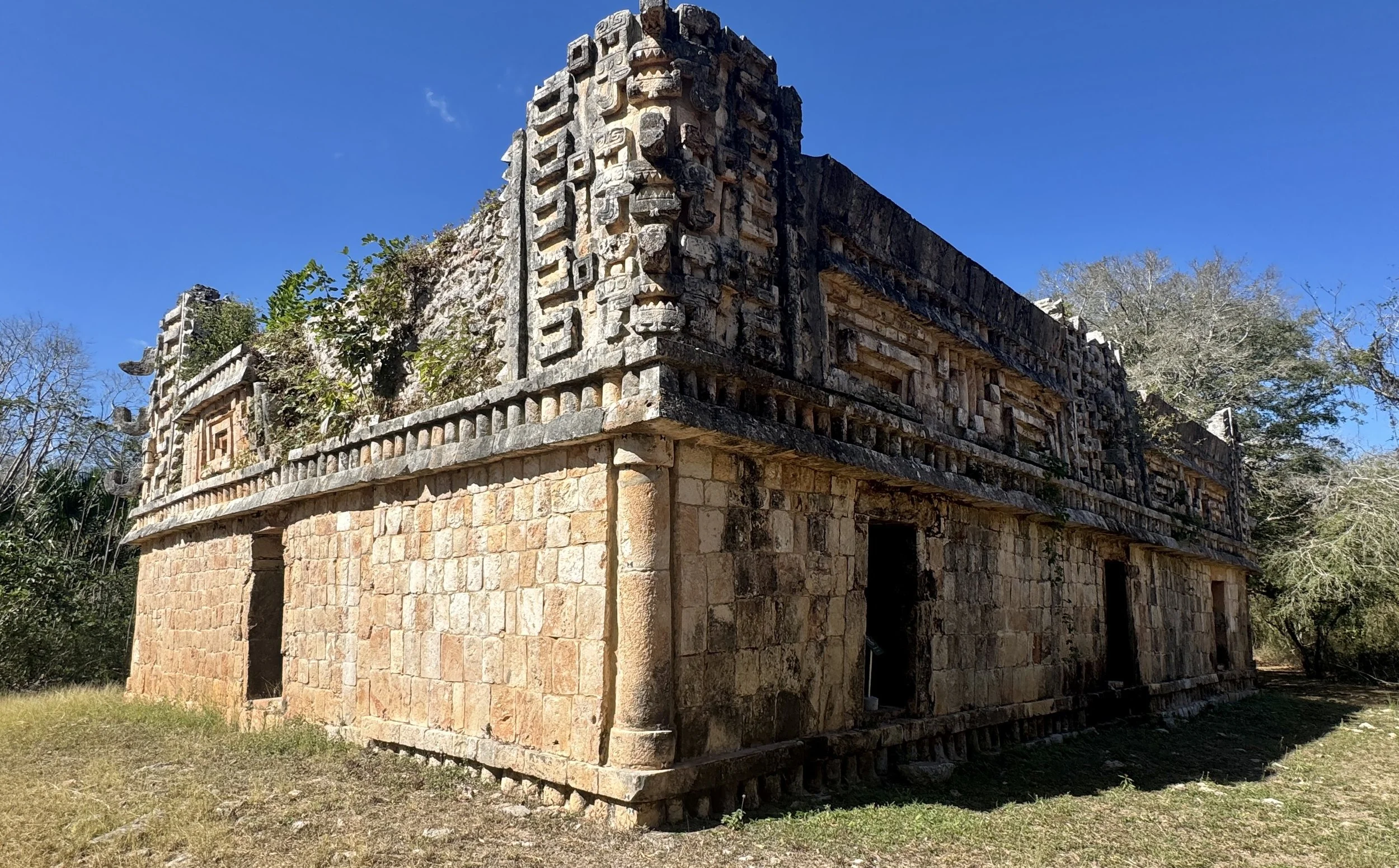
Xlapak
A small, easily overlooked site where the architecture becomes unusually clear. Its compact palace makes the underlying logic of the Puuc style immediately readable.
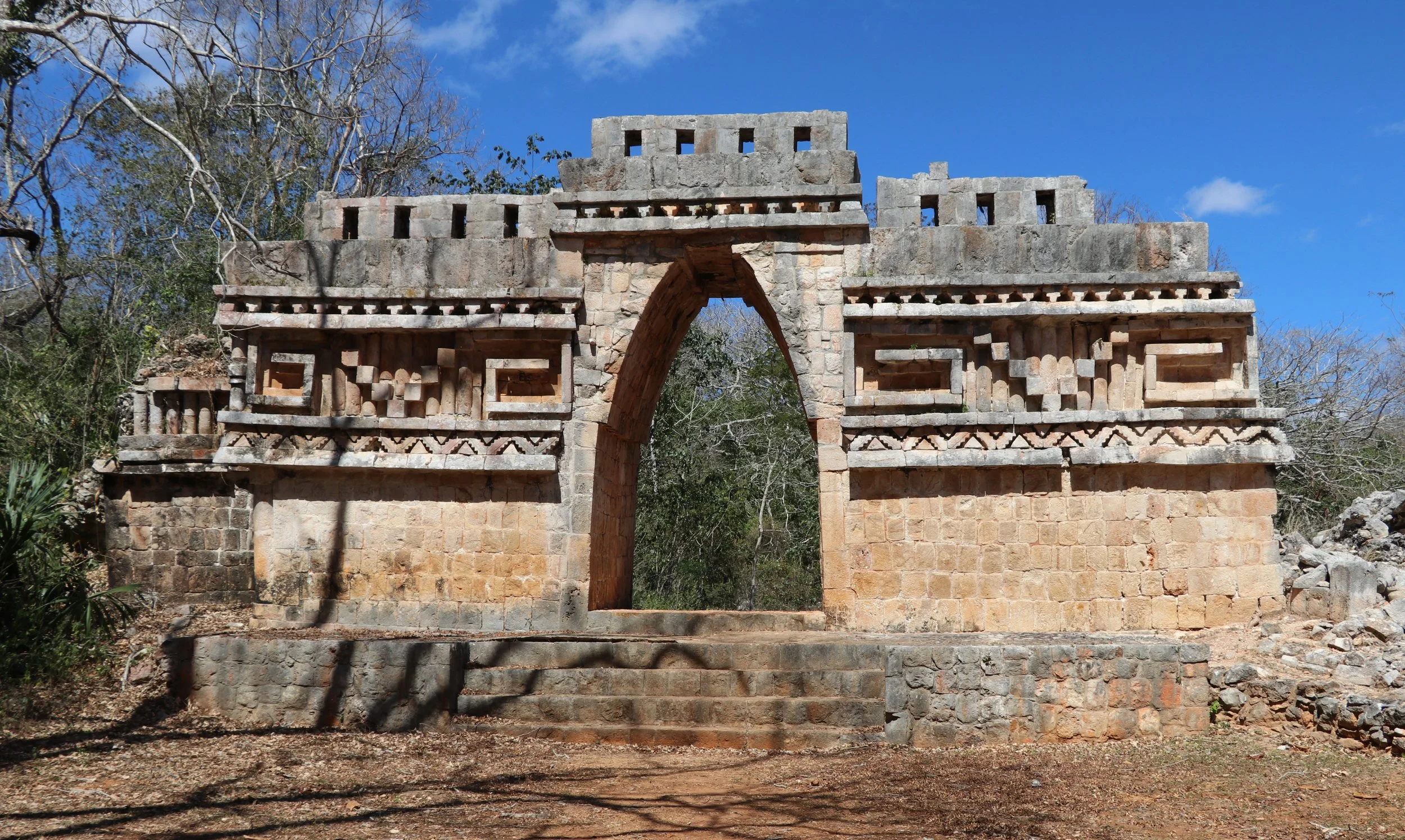
Labna
The southern endpoint of the route, known for its elegant arch and refined palace.
Puuc itineraries
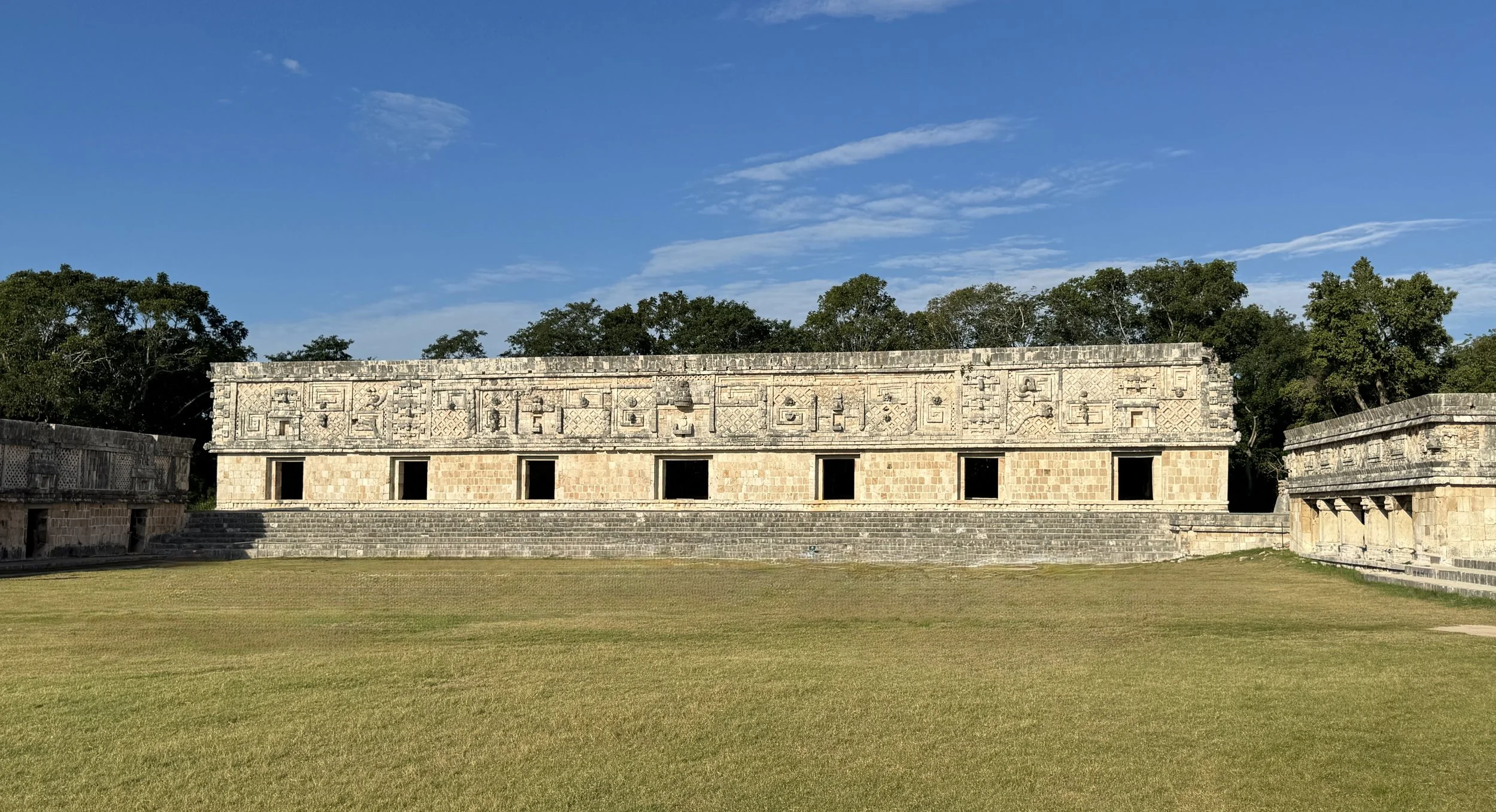
1-day itinerary
Along the Puuc route
Follow this 1-day itinerary through the Puuc hills south of Merida, starting with Uxmal, the major Puuc site and follow with up to four smaller but evocative sites (Kabah, Sayil, Xlapak & Labna).

7-day itinerary
Through the Hidden Maya World:
Merida to Campeche
A 7-day road trip taking the slow route from Merida to Campeche through the Puuc hills, the little-visited Chenes region and Edzna, showcasing some of the Maya world's finest architecture.
KEEP EXPLORING
Continue through the Maya world
Discover its cultural regions, archeological sites and itineraries.