Labna, Mexico.
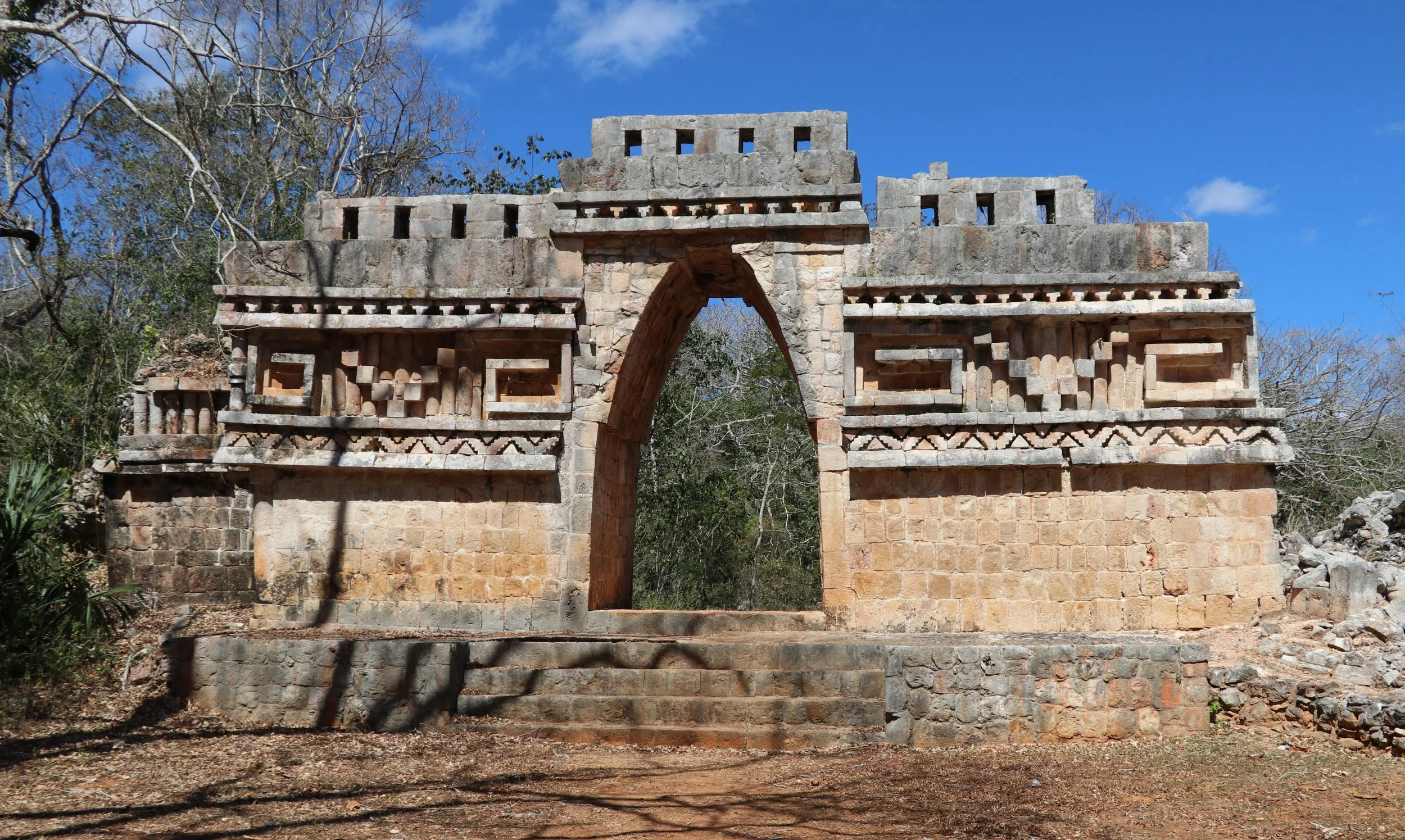
A Subtle Variation in the Puuc Language.
Looking for directions, opening hours, or where to stay and eat? Head straight to the Practical Information section.
Labna, one of the furthest Maya sites along the Puuc route in Mexican Yucatan, may not be the first site that comes to mind when conjuring images of ancient Mesoamerican cities in the area. Uxmal, its bigger counterpart to the north, usually tops the list.
It would be a mistake, though, to skip Labna on a Puuc itinerary. Aside from a lovely palace, reminiscent of the ones seen in nearby Kabah or Sayil, Labna is home to one of the most beautiful arches of the Maya world, in an uncrowded and peaceful setting.
Even more importantly, Labna showcases an interesting evolution of Puuc style not seen in more northern sites, where builders allowed for design that illustrate how the style was never made of a rigid set of rules.
This was on our mind as we drove increasingly slowly on the road leading to the site. We had left highway 261, the old Merida-Campeche road and it felt we were getting closer and closer to the end of the world, the road narrower, the potholes deeper.
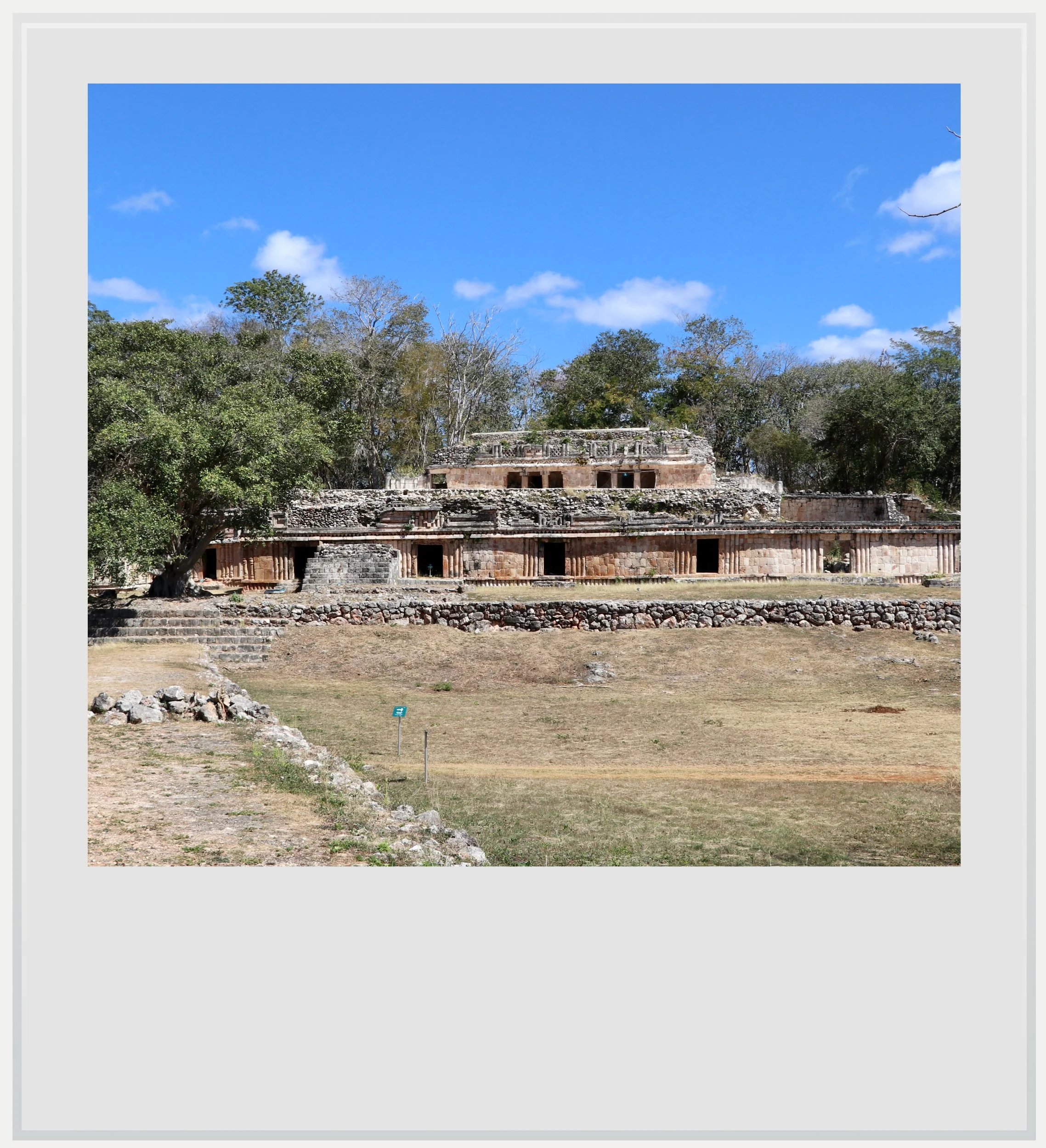
The palace with the sacbe on the left foreground.
We parked on the small lot by the entrance of the archeological zone with a couple of other cars, by a small wooden hut housing the ticket office that looked like something out of a movie - it was a refreshing reminder that, up until a few years ago, the region wasn’t truly on the radar of even the most enthusiastic traveler, and the infrastructure reflected that.
The first few steps of our visit occurred on a shaded path, which gave way to a vast lawn dotted with a few huge trees. To our left, lay the palace. Ahead of us, hidden by vegetation, was the Temple of the Columns, and to the right, a sacbe, a ceremonial causeway, led to the famous Labna arch.
The Puuc style was never really set in stone.
We decided to focus on the palace first. At this point, it was the third Puuc site we had visited, after Uxmal and Kabah, and the similarities with the Kabah palace were evident. Like a lot of the structures in the region, the palace was thought first as a horizontal construction, with two levels set on an elevated platform. It was also embellished in the pure Puuc tradition, with elaborate upper friezes running across the whole surface, mixing geometric motifs and Chaac masks.
This was a constant in this area, with less rain than the southern regions, and therefore a stronger need to invoke Chaac, the god of rain and fertility.
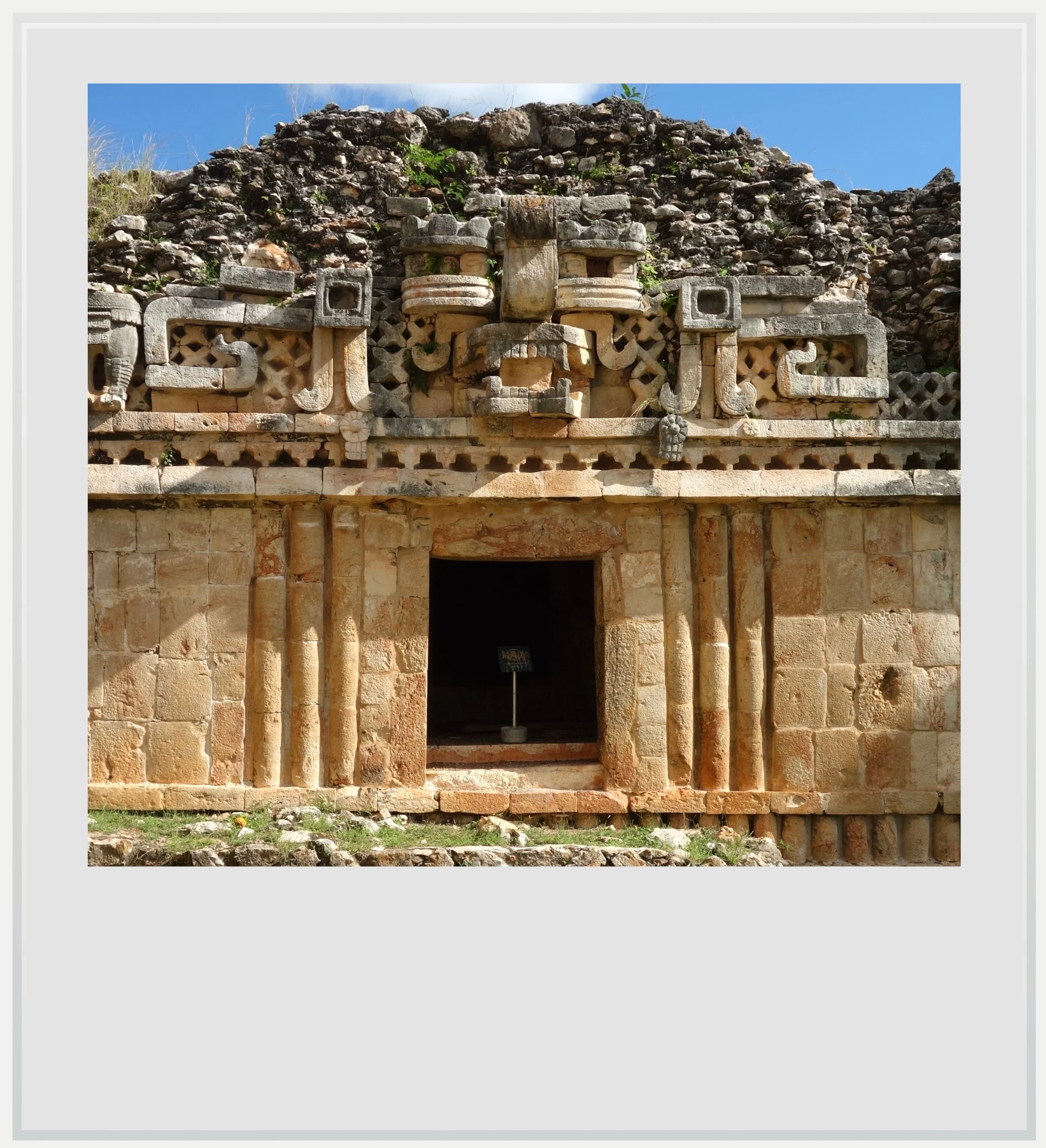
A palace door with a Chaac mask on top, and colonettes on the sides.
What surprised us, however, was the treatment of the lower part of the palace’s façades. Unlike palaces at Uxmal or Kabah, the lower walls, although more pared-down, featured sculpted motifs, namely colonnettes reminiscent of the Puuc Junquillo style. While less ornate than the upper frieze, these made the lower walls feel less like a contrasting part of the structure, and more of a support, the bass line of a musical piece.
It seemed to break the harmony of the Puuc design language seen at Uxmal, the elaborate upper part of the wall a possible metaphor for the sky, place of the gods, and the lower part a more austere representation of earth. Here, the contrast weakened, but only around the doors, where most of the geometric sculptures of the lower walls were located. Given how important doors were in Maya culture, as a symbol of passage between worlds, it stood to reason that this twist of the style would try to emphasize that role and decorate them.
This sculpted lower wall would be a constant on almost all the palace walls, and it made Labna’s look even more sophisticated, perhaps even more elegant. It is believed it was erected around the same time as the nearby constructions of Uxmal and Kabah, between 600 and 900 CE, in the most prosperous Maya era, the Late Classic period, and therefore the additional lower wall refinements couldn’t be explained by a much later building date.
We speculated that it may have been a local leader’s personal interpretation of the Puuc theme. In any case, the differences were welcome and gave each site its personality. I liked the fact that, at first glance, these structures looked fairly similar, but revealed themselves as different interpretations of Puuc architecture upon closer inspection. It was as if all sites picked from the same syntax, but with the freedom to use their own words within that, the hallmark of a living language.
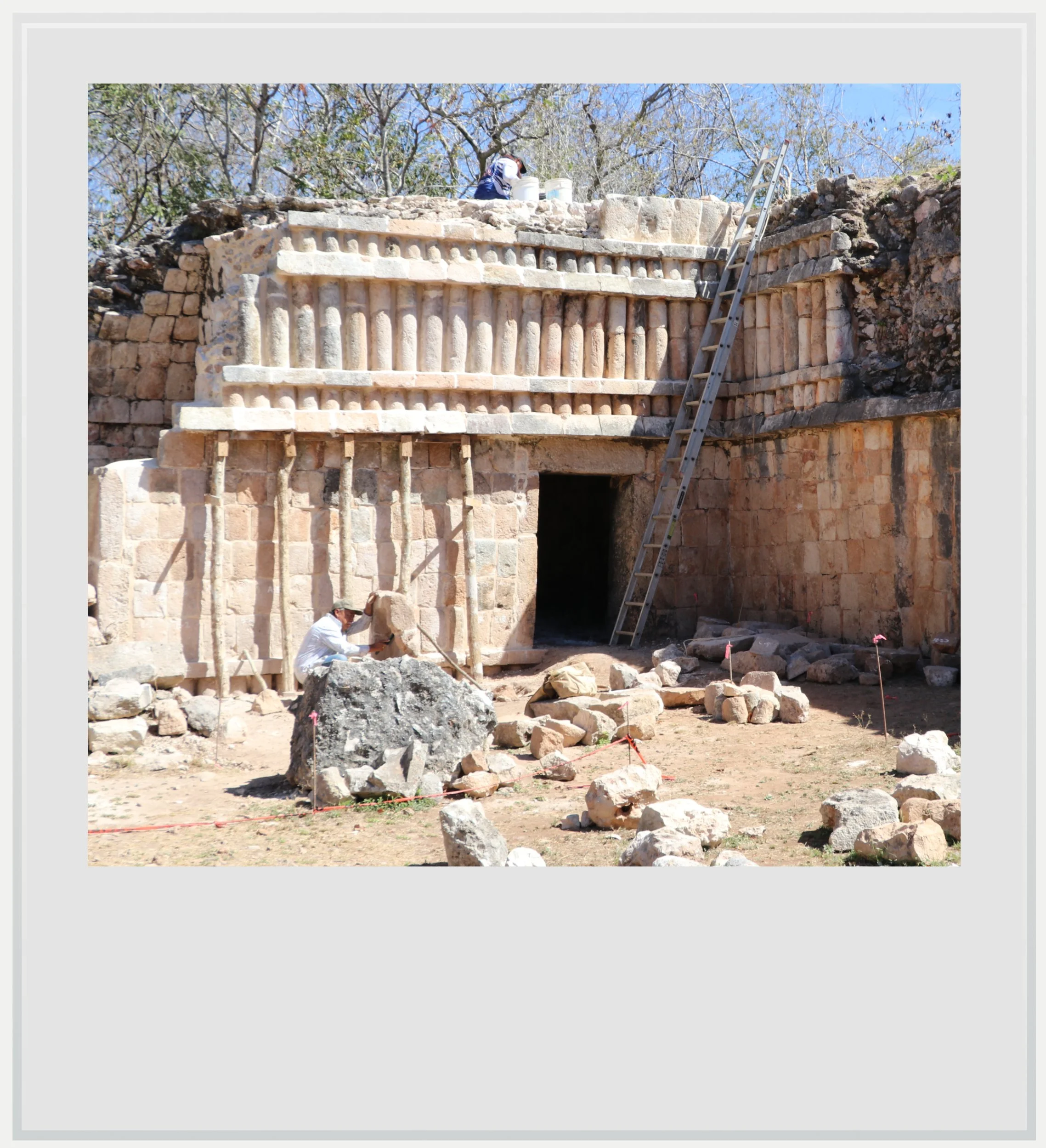
Restoration work on the Palace of the Columns.
If the palace had given us a glimpse of the Puuc Junquillo style, the next edifice would showcase it in all its virtuosity. The aptly named Temple of the Columns lay on the eastern side of the site, to the right of the palace while facing it, hidden by vegetation, on a path visually less enticing: from the palace, our instinct was to follow the sacbe, this highly ritualized elevated causeway linking it to the southern part of the settlement, where the famous Labna arch was located.
Instead, we left the arch for later and walked right, towards the east, and, upon a detour in the path, fell upon the temple. Currently being restored, the complex is thought to have been a residence for a powerful Labna family, and in true Puuc style, featured walls with a highly decorated high frieze and a plainer lower register.
Here however, the highest part of the wall consisted of a near-perfect alignment of thin sculpted columns spanning the whole width of the outer walls. It was a change from the Chaac-related geometric patterns seen elsewhere on the site. The main building featured no Chaac masks or snake-related motifs, but instead dozens of colonnettes (junquillo, in Spanish, means “little reed”, and by extension came to be used in architecture to describe thin, rod-like decorative elements).
The complex’s use as a private residence, and not an official one, probably made the references to Chaac less necessary. It still obeyed the rules of Puuc design, albeit simplified, with less intricate patterns.
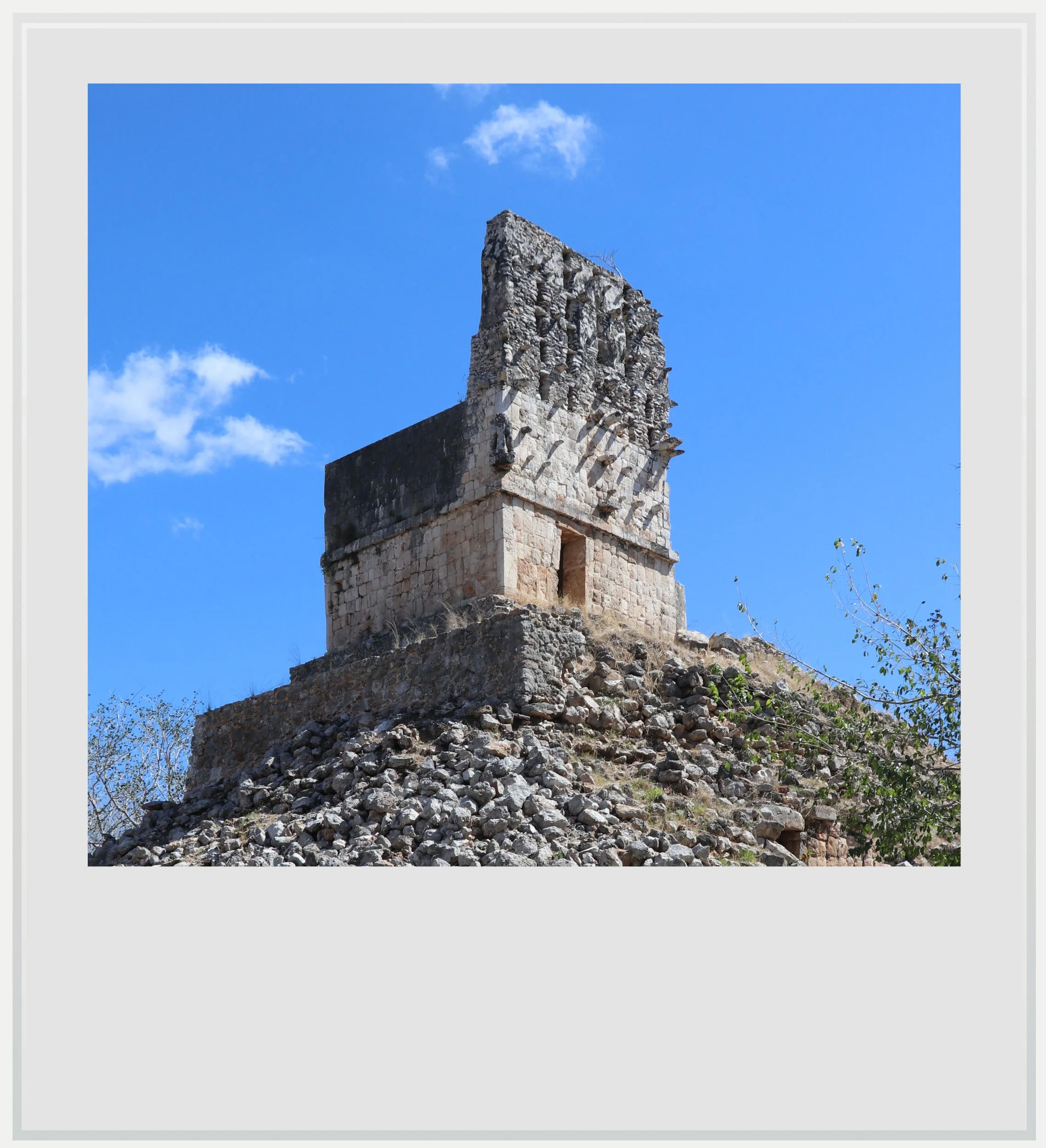
The Mirador temple.
We walked back towards the middle of the site, and finally climbed onto the sacbe to see the southern group. There wasn’t a lot left of what 10th century Mayas would have seen, as most of the complex had decayed, its buildings lost.
The two prominent constructions there were The Mirador, a temple atop the remnants of a pyramid, with a roof comb to make it appear even taller, and the arch.
The Arch was compact example of Puuc genius.
Standing alone when it would have been surrounded by other structures, the arch wasn’t a gate to the settlement but a way to go from one side of the complex to another, most likely from public to private quarters. It led to an enclosed patio that we were left to imagine.
Although partly damaged, the arch was considered one of the most beautiful of the Maya world. It perfectly encapsulated the virtuosity of Puuc architectural expression, on a tight canvas, with a geometric upper frieze featuring serpent motifs.
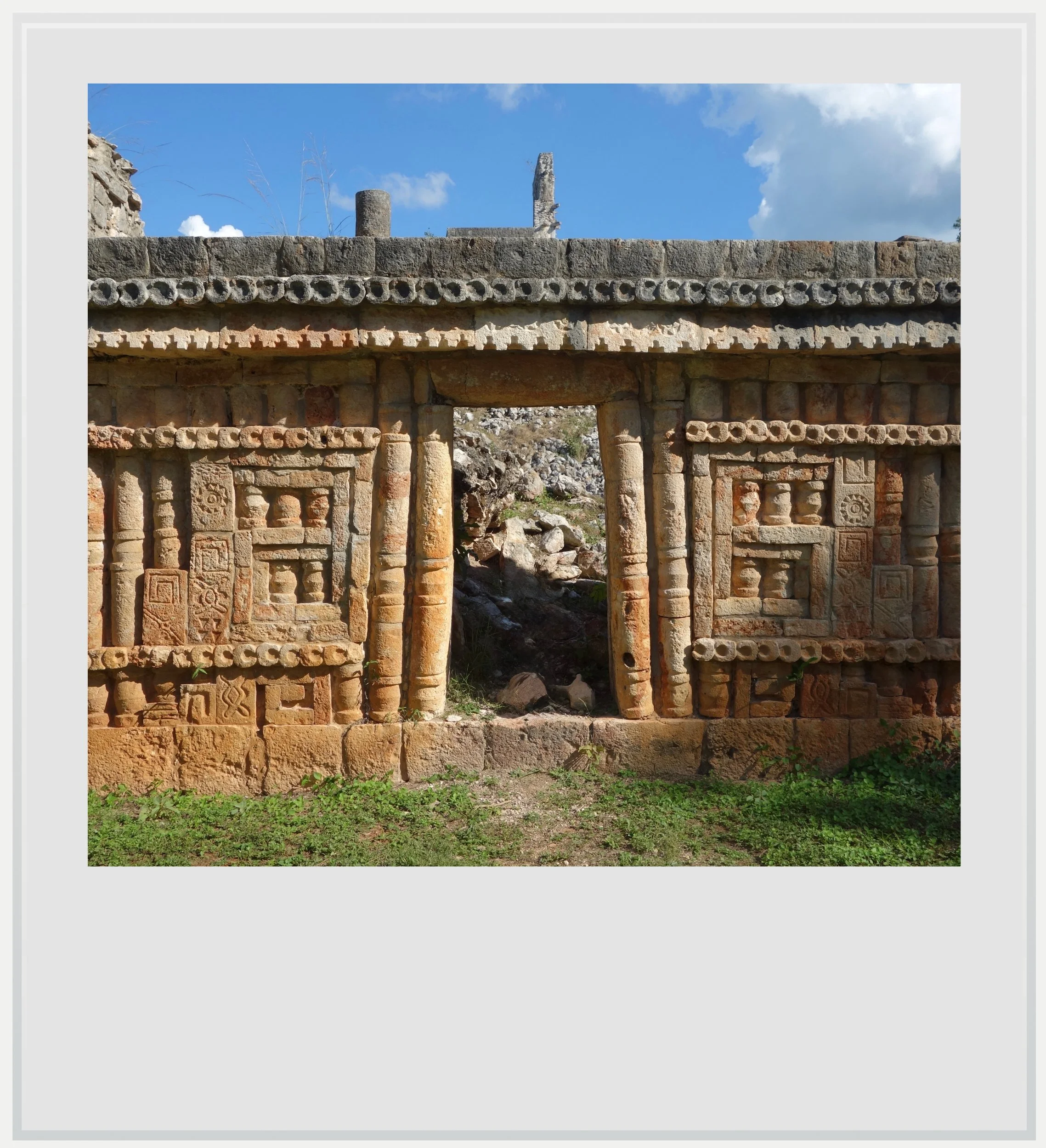
A building within the Arch complex, with an intricate Puuc façade.
Monumental arches are uncommon in Maya architecture. What was striking here was how the local style was distilled, not over extremely wide and flat facades of houses or palaces, but on a compact and much less horizontal object. Because of that, the density of the sculpting made it more intense, and extremely precise. Stones weren’t sculpted but chiseled into fine pieces assembled together to form a striking, compact example of Puuc genius.
The highlight of the southern complex, for me, was the building still standing on the inside of the courtyard, behind the arch. There, a beautiful execution of late Puuc design showed use of colonnettes and serpent motifs along the full height of the wall. This felt like an even livelier façade adornment than what we had seen at the palace, and a great way to end our visit in Labna, with the understanding that the Puuc style was never really set in stone, and continued to evolve across decades and across sites.
Practical information
(Everything you need to know about visiting Labna – updated April 2026)
In a nutshell
Labna is one of the southernmost sites on the Puuc route in Yucatán, about 70 miles (113 km) south of Merida. The site is small but architecturally refined, and complementary to Uxmal and Kabah as it showcases a slightly different take on Puuc architecture. It can easily be visited in under an hour.
How to get to Labna
How to get to Labna from the US: the easiest way to reach Labna from the US is via Merida. There are about 15 flights a day from Mexico City, making a connection from the US through the capital convenient. Alternatively, several airlines provide non-stop service between Merida and the US: United Airlines from Houston (IAH), American Airlines from Dallas (DFW) and Miami (MIA), VivaAerobus from Miami and Orlando (MCO). See below for instructions once in Merida.
How to get to Labna from Mexico City: around 15 flights a day depart from Mexico City to Merida, either with the Mexican flag carrier Aeromexico, or with low cost airlines VivaAerobus and Volaris. Flying is more convenient than taking a bus. ADO links Mexico’s TAPO station with Merida’s TAME terminal up to 8 times a day, but the travel time is 17 hours and prices not that much cheaper than flying.
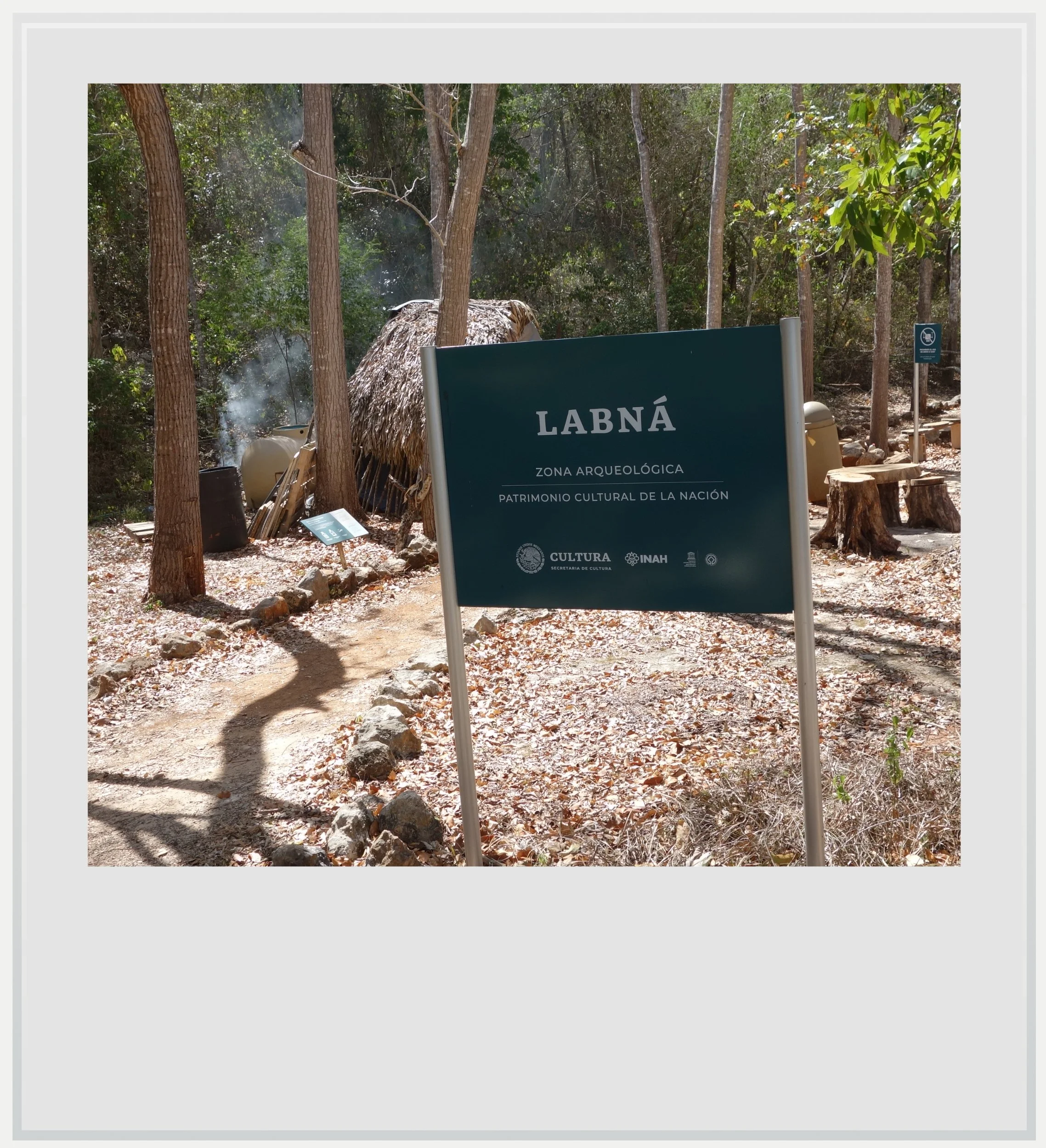
The entrance to Labna and the hut serving as a ticketing office in the background.
How to get to Labna from Merida: there are two solid options to get to the Maya site.
rental car - this is the most convenient way to visit the area, and pretty much the only option if you’re aiming to visit other sites further on the Puuc route. Car rentals are widely available at the Merida airport and in town, from a variety of national and global brands. Price should hover around USD25 to 50 per day for an economy car. Driving to Labna from Merida is fairly easy. The key is to reach highway 180 towards Campeche, then take highway 261 towards Uxmal and follow it all the way to the turn off to Sayil, Xlapak and Labna, past Santa Elena (it is well posted). The direct drive should take approximately 1h40 (but most people would first stop at Uxmal and other closer Puuc sites), and the roads are in good condition, except once leaving highway 261 - beware of potholes on that last portion of road.
find a tour. Several options to visit Uxmal, the main Puuc site, are available on global platforms like Viator or Get Your Guide, and some include Labna, usually the last stop on Puuc itineraries. Prices vary between USD 120 and 200 depending on options and group size.
When to go to Labna
The best months weather-wise to visit Labna are during the dry season, between November and April, with January and February the (relatively) coolest months. This is also peak season, but Labna is hardly ever crowded, as one of the more remote Puuc sites.
Most people visit the Puuc sites in order, starting with Uxmal, so it is likely you’ll hit Labna just early to mid afternoon, at a time where the sun is strong. There isn’t a lot of shade around, but the site visit is relatively fast and should be OK even during the hottest hours of the day.
I visited Labna in late December, during the peak season, around 2 PM and the heat was tolerable (but it will be different in the humidity of a summer day). I came back to Labna in late February, this time in the morning. There was better light but the vegetation looked a lot drier.
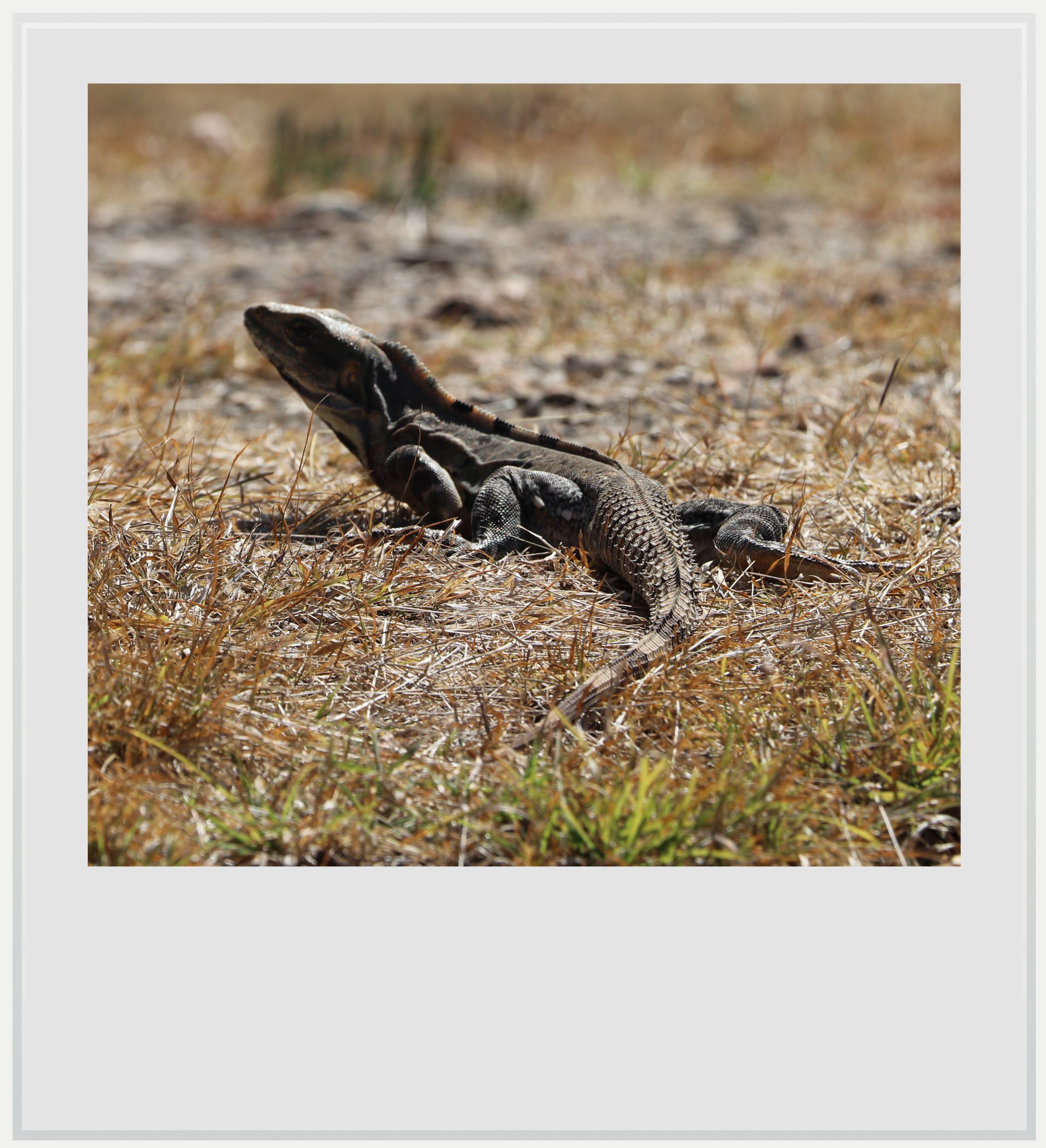
A palace guest.
How much does it cost to visit Labna
At the time of writing, the entrance cost was MXN 145 for foreigners and MXN 80 for Mexican citizens and residents with credentials.
How long to stay in Labna
The site isn’t big, but between the castle and its beautiful façades, the well-preserved arch and a few other buildings, it’s easy to spend 40 minutes to an hour on the site. Your biggest constraint will be the heat as there isn’t much shade on site, and it could become uncomfortable during the hottest hours of the day.
What are the opening times of the Labna archeological zone
Labna is open every day from 8 AM to 5 PM, with entry permitted until 4 PM.

Food & lodging in Labna
Hotels
For most people, accommodation in Merida will make the most sense, if a visit to Labna is part of a bigger Puuc route trip. There are plenty of hotel and Airbnb options in the Yucatan capital.
If you would rather stay close to the Labna archeological zone, say, to save on drive time to the Puuc hills in the morning, I recommend the following two hotels:
The Picked Onion in nearby Santa Elena. I stayed there during my second Puuc route visit, and enjoyed the quiet surroundings. Rooms are single casitas built in the regional style that blend well in a lovely garden. Comfort is basic but decent. Breakfast is included. The hotel sits between Uxmal and Kabah, less than ten minutes from the Kabah entrance (and therefore about thirty minutes from Labna)
Hotel Mundo Maya “Nuevo Uxmal”. While I haven't stayed in this hotel, I sampled its sister properties in Calakmul and Edzna, and the experience was similar enough to see a positive pattern. Built by the state alongside the Tren Maya investments, Mundo Maya hotels are meant to bring premium hospitality to more remote areas of the Maya world, to spur a tourism expansion. The hotels are beautifully done, the rooms luxurious, and the prices very competitive. This hotel only makes sense if Uxmal is your first stop of the day, as it is located 30 minutes from the ancient Puuc capital, and a little over an hour from Labna.
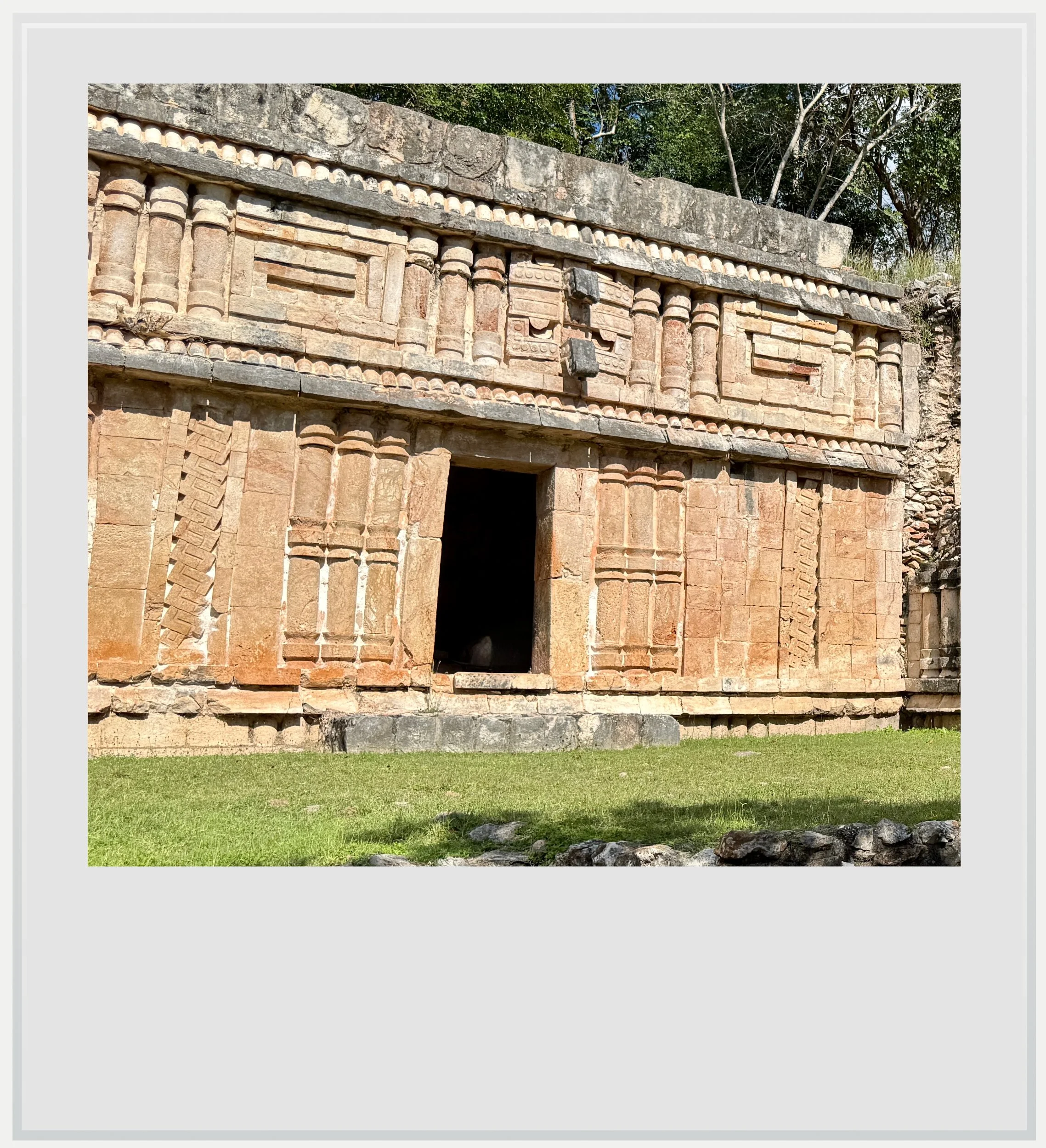
A richer expression of Puuc style seen on the palace.
Restaurants
If you’re coming to Labna as part of a day trip along the Puuc route, you will need to find lunch along the way, unless you packed it with you. Most of the restaurants on the route seemed well regarded locally, but didn’t always feel like places we could stop at without hesitation. We had trouble finding a place for lunch in Santa Elena, and drove to nearby Ticul to enjoy a really good meal at the El Principe Tutul Xiu hotel, where the restaurant opened at 11 AM for lunch. The opening time is important because if you get to Uxmal at 8 AM and spend 2+ hours there, you’ll get to Ticul just around 11 AM.
You’re able to buy snacks right after the entrance in Uxmal, where there is a nice tourist area with a few souvenir shops and a coffee station, but past Santa Elena towards the rest of the Puuc route, there is absolutely no store of food stand so make sure you break for lunch before leaving Santa Elena, and therefore, before getting to Labna.
Safety in Labna
The State of Yucatan is considered one of the safest regions in Mexico by the U.S. Department of State and is not subject to a specific travel advisory as of publication. While Mexico as a whole is listed at Level 2 (“Exercise increased caution”) and some states, such as Zacatecas or Guerrero, are classified as Level 4 (“Do not travel”), Yucatan remains one of the safest states in the country, and no precautions beyond basic common sense are generally necessary for visitors.
The ancient settlement of Labna is considered safe. It is part of a well-known tourist route even it the site itself isn’t very crowded. The main danger in this part of the peninsula is remoteness. It is recommended to avoid driving (or being driven) at night, when risk increases: the area is fairly isolated, with no cell service, so any issues happening on the road at night could possibly spiral.
Keep in mind these travel tips
Heat isn’t a joke in Yucatan, and even in the dry season, temperatures can reach very high levels around midday. Make sure you hydrate regularly and keep a water bottle with you.
The UV index may be low in the morning and evening, but during the day, it gets pretty high. Wear SPF.
Bring cash. While many shops accept foreign credit cards, bus companies, taxi drivers, and many smaller boutiques do not. Some restaurants were cash-only as well.
There are no shops on the route past Santa Elena, so any drinks or snacks will need to be purchased there before heading further south, or in Uxmal, where a coffee station offers beverages and snacks, inside the fee area.
Cell service can be spotty outside of cities, and although Telcel signal was strong overall near Merida, it disappeared approaching Uxmal, and didn’t reappear later along the Puuc route. Labna is therefore a no-service zone. No other provider covered the area either. Telcel is always the safest bet, though. If you’re roaming, check that you can roam on Telcel, or investigate a Mexican eSIM that uses this network. Telcel coverage is independently mapped here. Change the network in the drop down menu at the top to see other companies.
Every photo caption appears if you hover over it (on a computer) or click on it (on a smartphone).
All photos are mine and copyrighted.