Quiet Towns of Mexico
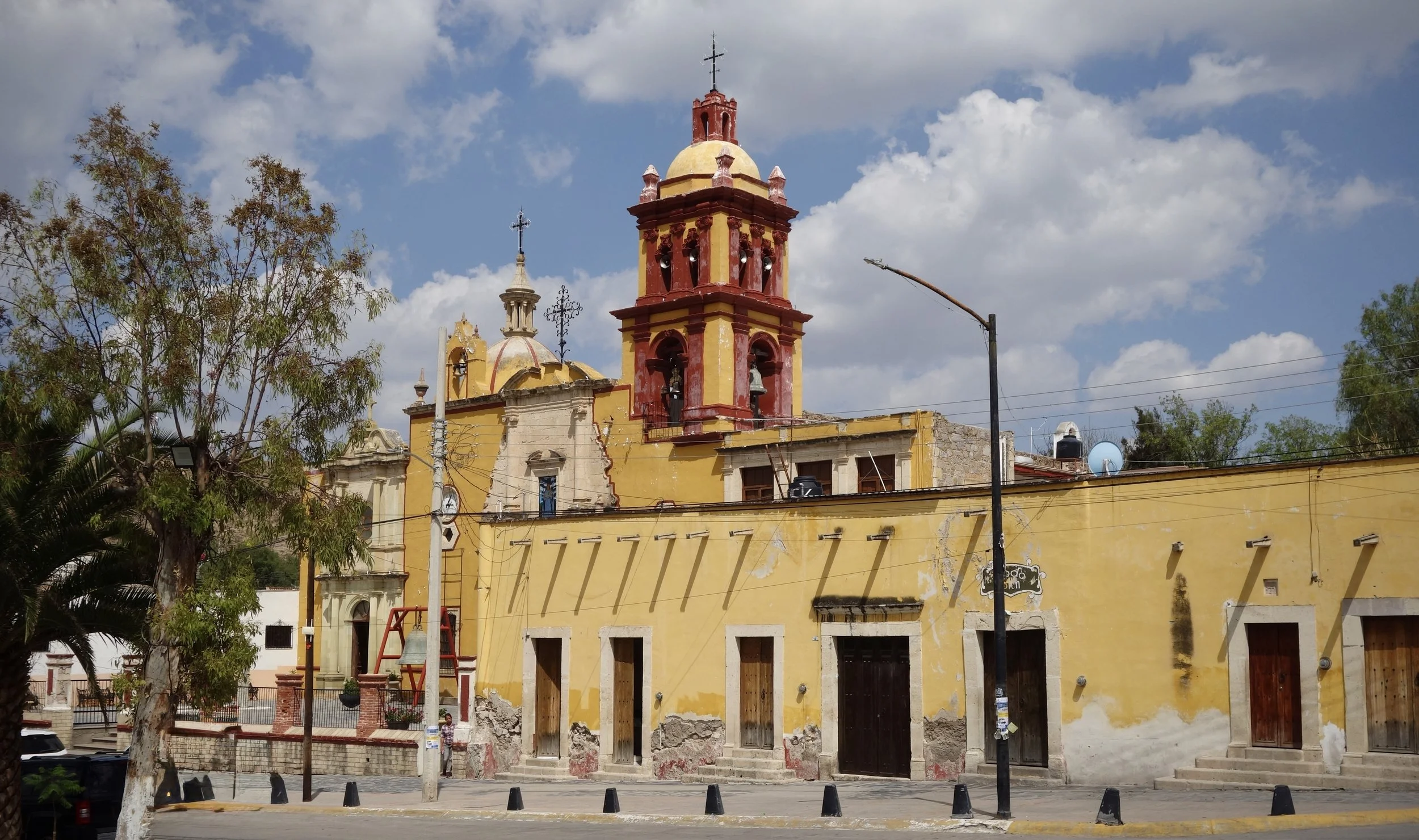
A study of Mexico’s small towns as places shaped by history, landscape, and local rhythms.
Introduction
In Mexico’s small towns, the pace of life reveals patterns that are harder to perceive in larger cities: plazas that anchor social life, streets that follow older geographies, and daily routines that repeat with quiet regularity. Visiting these places becomes less about sightseeing and more about observing how landscape and history continue to shape lived environments.
The focus here is on towns where these patterns remain visible, rather than on well-known destinations reshaped by global tourism.
Quiet places to begin
Quiet Towns of Mexico
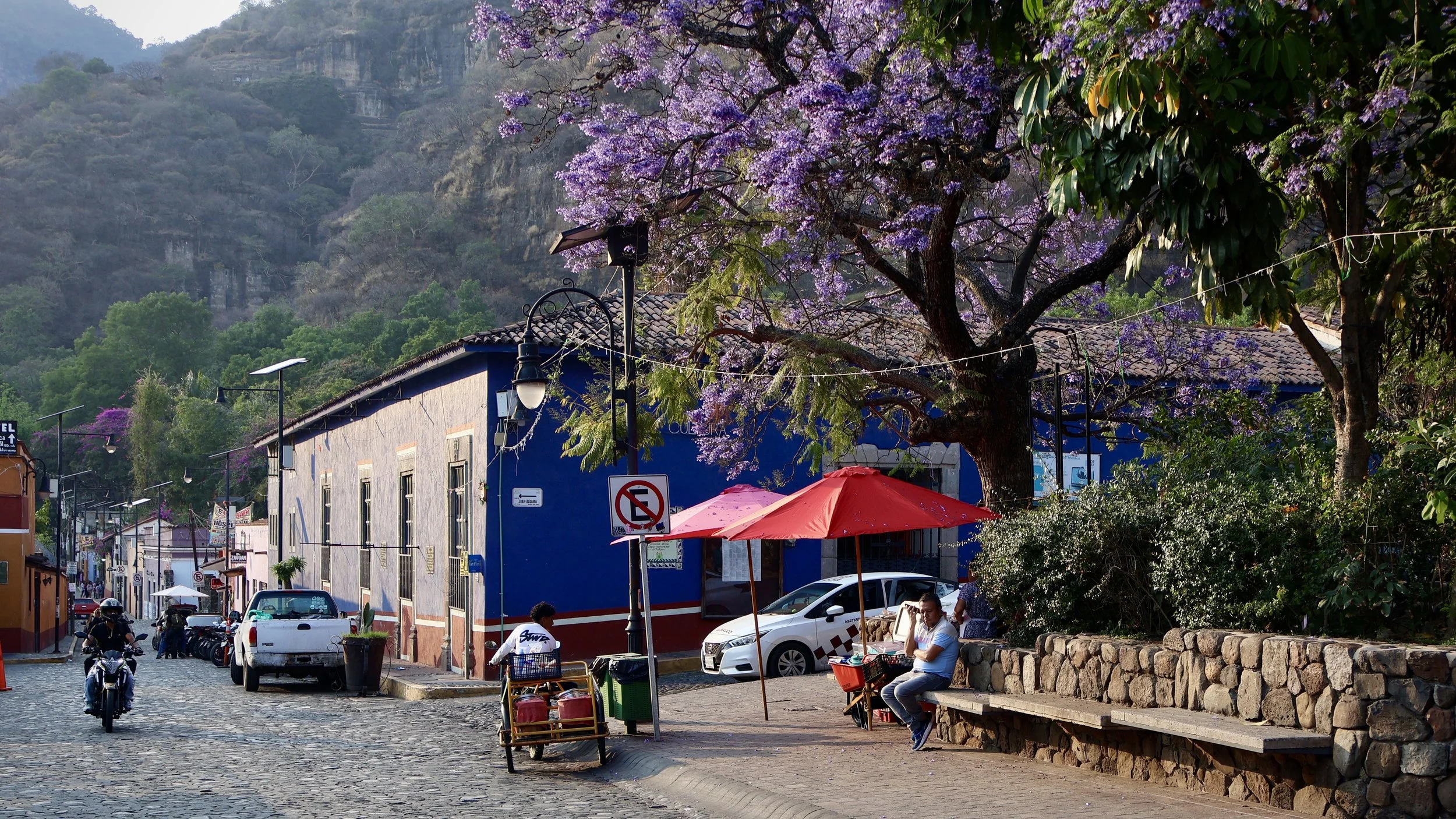
Malinalco, Mexico
Southwest of Mexico City, Malinalco lies in a steep valley where landscape and history remain tightly interwoven.
Above the town, an Aztec sanctuary carved into the rock overlooks plazas and streets that move at a slower rhythm.

Quiet Towns of Mexico
Real de Catorce, San Luis Potosí
In the high desert of San Luis Potosí, Real de Catorce sits at the end of a long mountain road, its stone streets and abandoned mines recalling its past as a remote silver boom town. Today, its austere setting and lingering sense of isolation shape a town where history and landscape still define the pace of daily life.

Quiet Towns of Mexico
Taxco, Guerrero
Set on steep hillsides above the mountains of Guerrero, Taxco is a colonial silver town with narrow streets, whitewashed houses, and layered terraces.
Its historic core still reflects the spatial logic of a mining settlement and the dense fabric of its colonial past.

Quiet Towns of Mexico
Bernal, Querétaro
At the foot of the monolithic Peña, the town of Bernal is organized around a compact grid of streets and low, brightly colored houses set against the dramatic rock formation.
Explore by landscape
Quiet Towns of Mexico
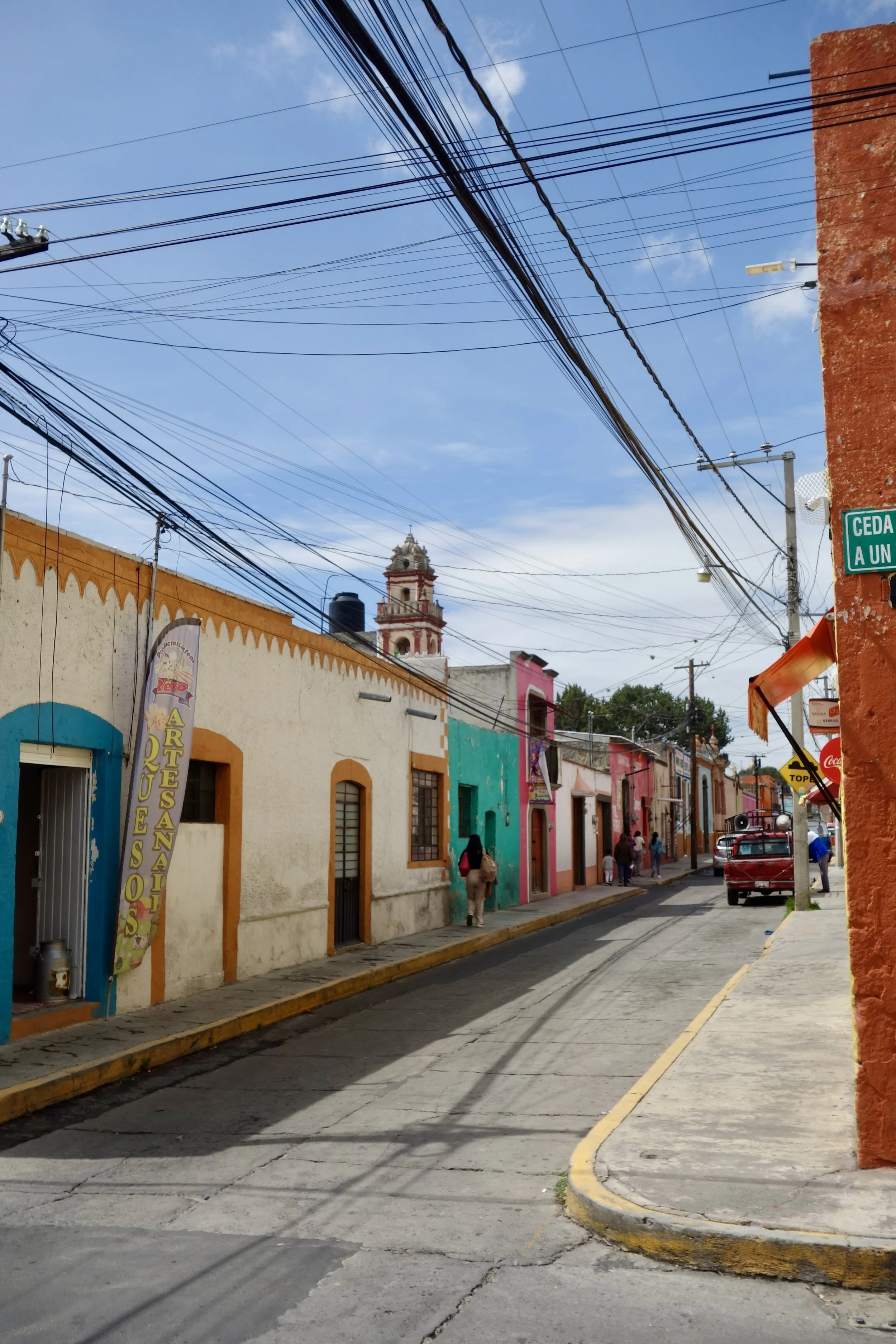
Within reach of
Mexico City
These towns lie within a three-hour drive from the federal capital. Close enough for a weekend, far enough to feel distinct, they offer slower rhythms without requiring long travel.
Quiet Towns of Mexico
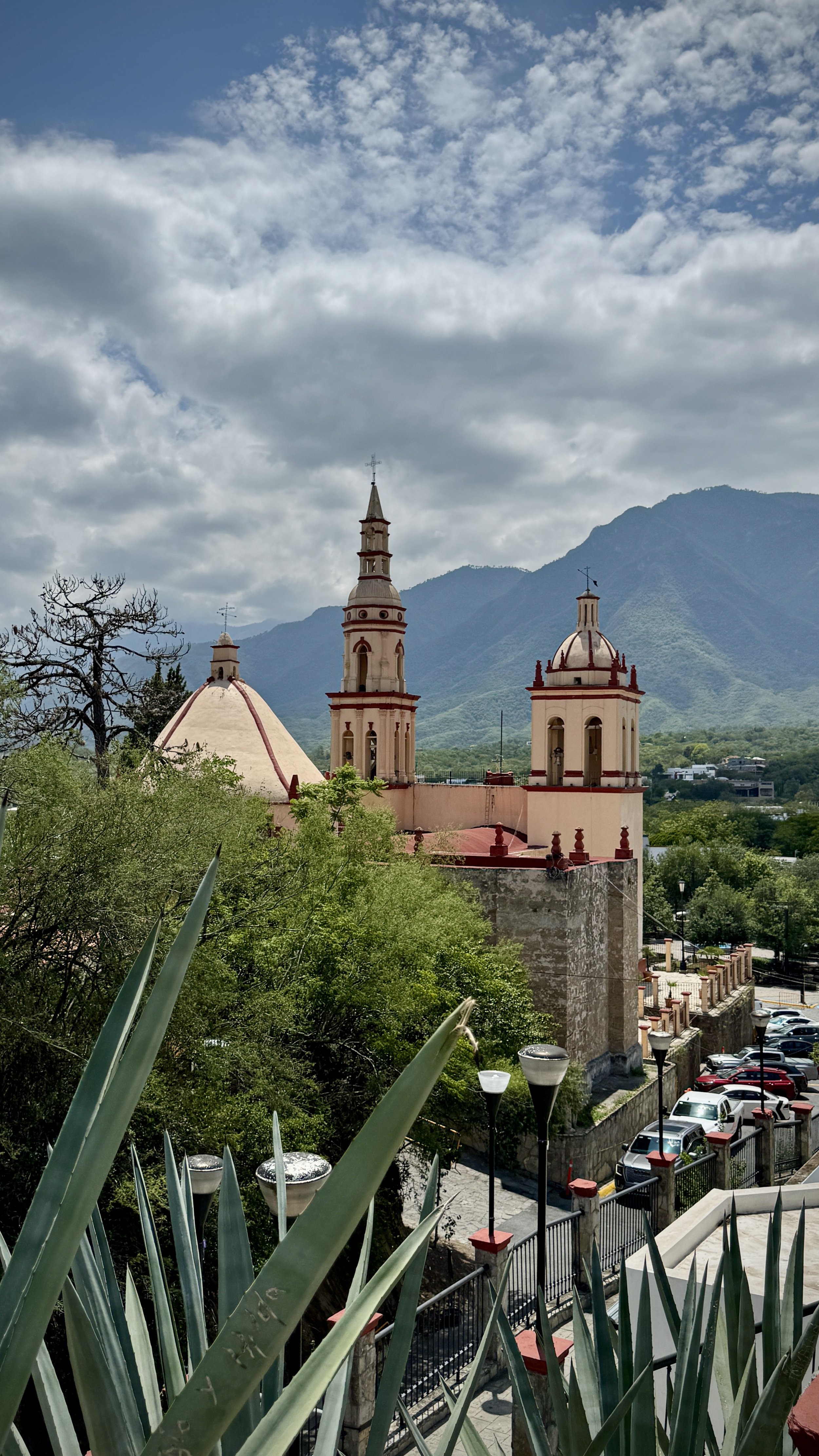
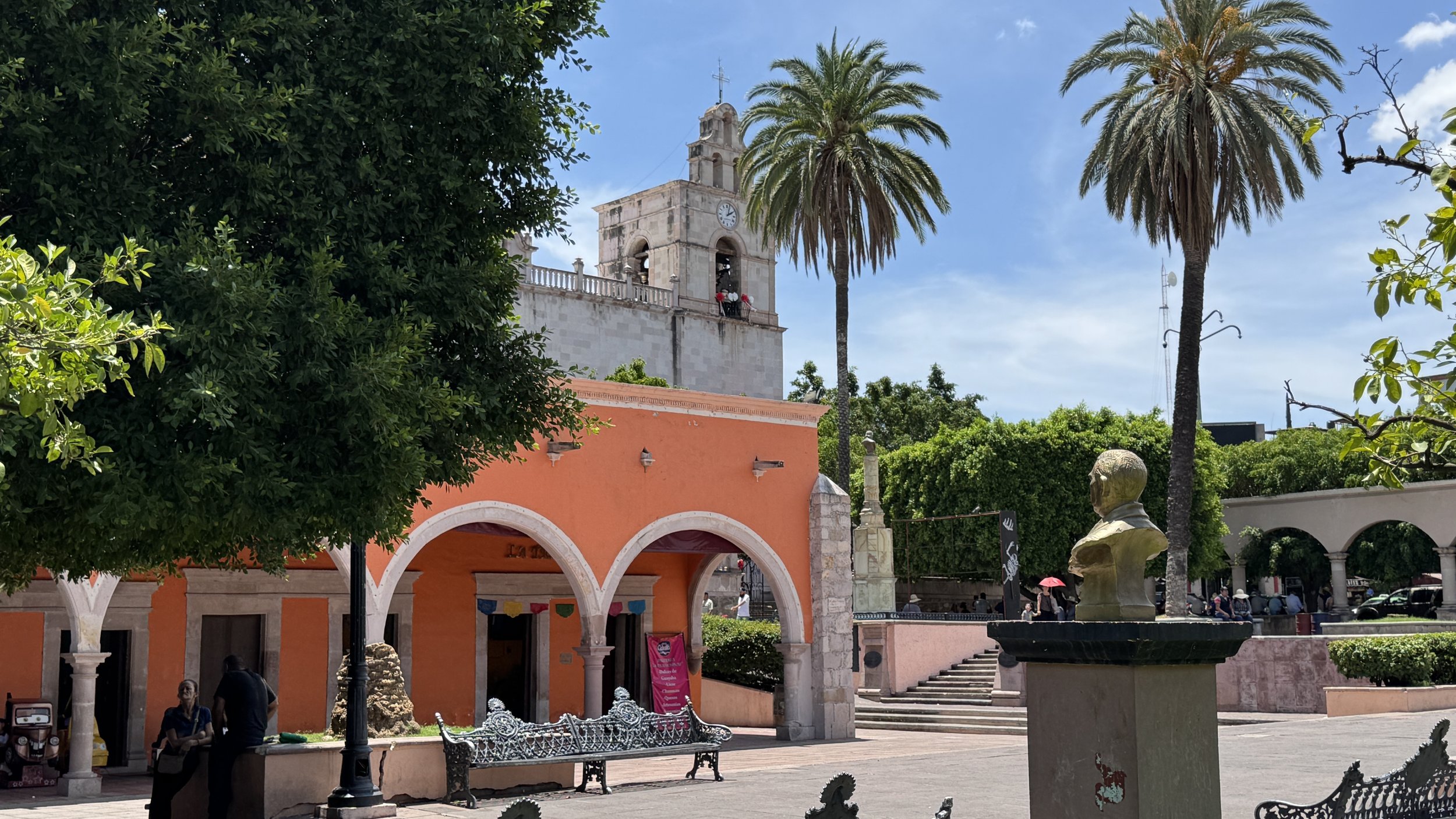
In the Highlands
These towns sit above the heat and sprawl — on plateaus, in mining valleys, and along the folds of the Sierra.
Shaped by altitude, stone, and long horizons, they feel anchored to the landscape rather than to tourism cycles.
Quiet Towns of Mexico
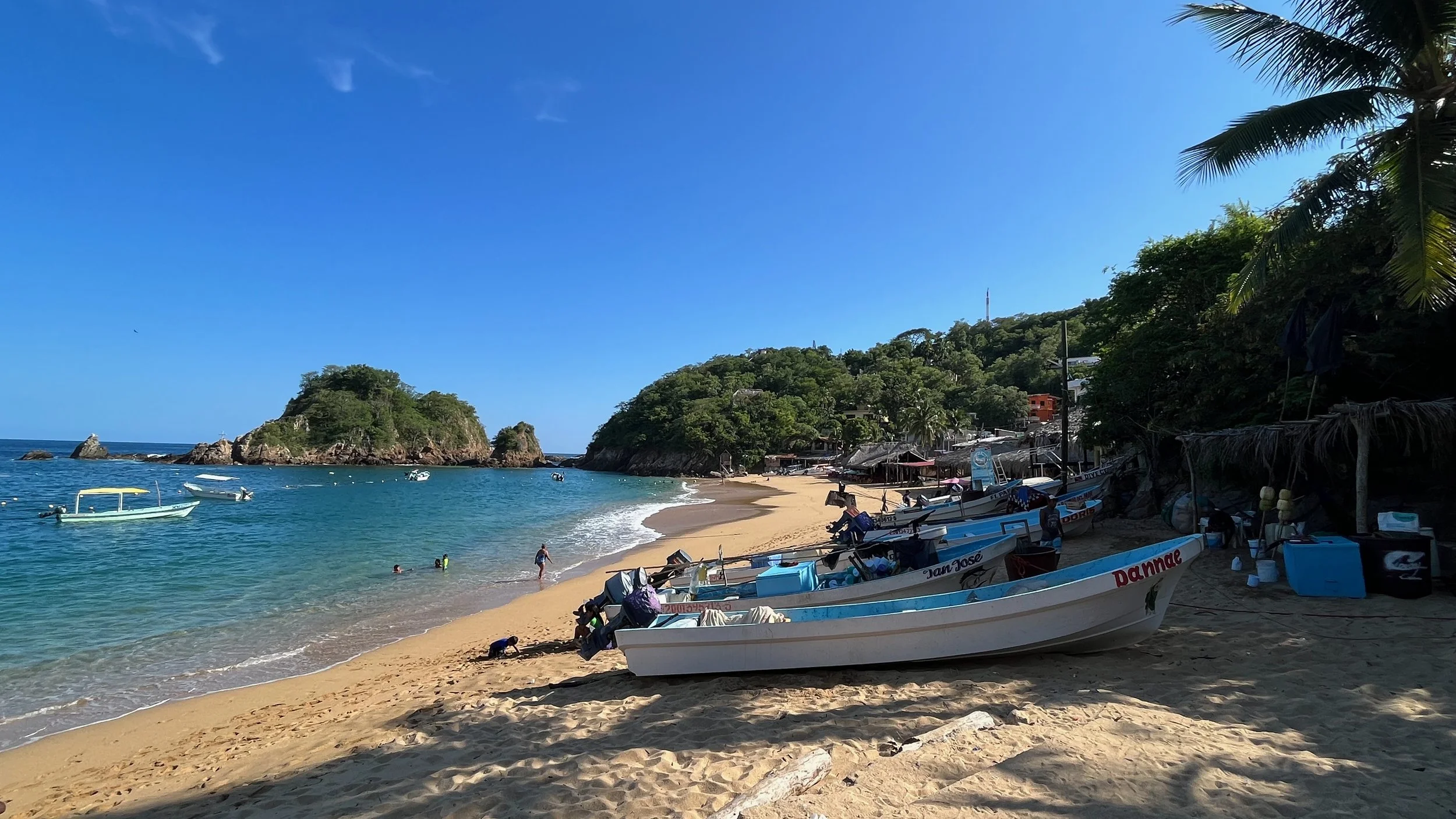
Along the Coast
Set on quiet stretches of Pacific and Caribbean shoreline, these towns reveal themselves at the pace of tides and salt air.
They balance sea, village life, and a certain deliberate slowness that comes from being away from main tourist routes.
All Quiet Towns of Mexico
Quiet Towns of Mexico
Blog library
From highland mining towns to overlooked coastal villages, browse the full library of Quiet Mexico articles.