The Puuc Route: a Maya architecture itinerary
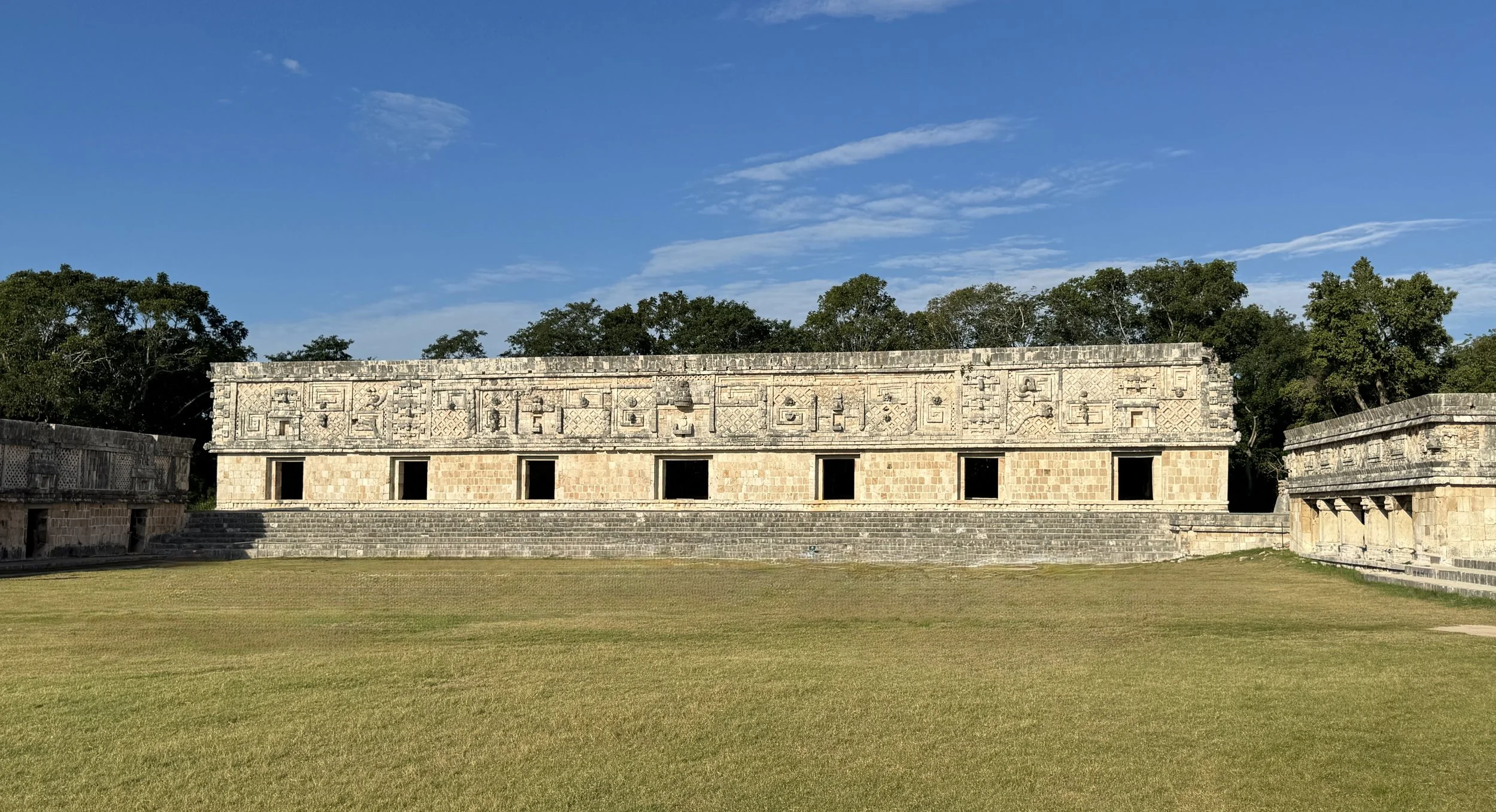
A linear architectural journey to explore the Puuc hills, from Uxmal to more remote sites to the south.
Introduction
The Puuc region of Yucatan is home to one of the most refined architectural traditions of the ancient Maya world. Cities like Uxmal, Kabah, Sayil and Labna are famous for their intricate stone mosaics, geometric friezes and towering masks of the rain god Chaac, all hallmarks of what archaeologists call the Puuc style.
Uxmal is often treated as the destination, with Kabah as an optional extension. But the Puuc hills don’t end there. Further south, the sites grow smaller and less visited, and the architecture becomes easier to follow, less about scale and more about structure.
Follow that progression, and from Uxmal south to Labna, the sites line up along a single road known today as the Puuc Route, forming one of the most compact archaeological journeys in the Maya world.
At a glance
Base
Merida, Yucatan (or Santa Elena, Yucatan for closer access).
Duration
1-2 days.
Route
Linear route from Uxmal to Labna along the Puuc hills, via Kabah, Sayil and Xlapak.
Total driving
About 3-4 hours (from Merida and back, without including visits).
Roads
Mostly two-lane highways in decent shape, except for the road leading to Sayil, Xlapak and Labna, which is narrower, and where potholes are frequent and not always easy to spot.
Key sites
Uxmal (anchor)
Kabah (gateway site, monumental façades)
Sayil (long palace, sense of scale)
Xlapak (compact, highly legible façade)
Labna (arched gateway, refined finish)
All the sites in this itinerary, mapped for easy planning
Route logic
The Puuc Route runs from Uxmal to Labna, following Highway 261 south through the low Puuc hills. The main sites appear one after another along the same road and an eastern spur: Uxmal, Kabah, Sayil, Xlapak and Labna.
Because the distances between them are short, the route works well as a single-day drive, provided that departure time is early enough (if not, a 2-day exploration is best). Each stop shows a slightly different expression of Puuc architecture, from the scale of Uxmal to the smaller but highly refined buildings further south.
The itinerary
Option 1 - One-day full itinerary
This itinerary includes the five Puuc sites but requires an early start to fit them all within the sites’ opening times.
Morning
– depart early to avoid heat and crowds (7:00 is ideal)
– Uxmal (1h drive from Merida, ~2h on site)
→ largest Puuc city and architectural highlight of the route
– Kabah (20 min drive, ~40–60 min on site)
→ Palace of the Masks, one of the densest Chaac façades in the region
Midday
– lunch in Santa Elena or in nearby Ticul for better options (requires slight backtracking)
Afternoon
– Sayil (10 min drive, ~60 min on site)
→ monumental multi-level palace complex in the woods
– Xlapak (5 min drive, ~20–30 min on site)
→ small but finely decorated Puuc palace
– Labna (5 min drive, ~40-60 min on site)
→ elegant Puuc arch and palace; final stop on the route
Note: you need to enter Labna by 4 PM and leave by closing time (5 PM)
Option 2 - optimized itinerary
This itinerary stops at three of the most distinctive sites, for a more relaxed pace.
Morning
– depart early to avoid heat and crowds (8:00 is ideal)
– Uxmal (1h drive from Merida, ~2h on site)
→ largest Puuc city and architectural highlight of the route
Midday
– early lunch in Santa Elena or in nearby Ticul for better options
Afternoon
– Kabah (20 min drive, ~40–60 min on site)
→ Palace of the Masks, one of the densest Chaac façades in the region
– Labna (20 min drive, ~40-60 min on site)
→ elegant Puuc arch and palace; final stop on the route
Each of these sites has its own character. Below is a quick overview to help you decide how much time to spend at each.
The Puuc Route sites
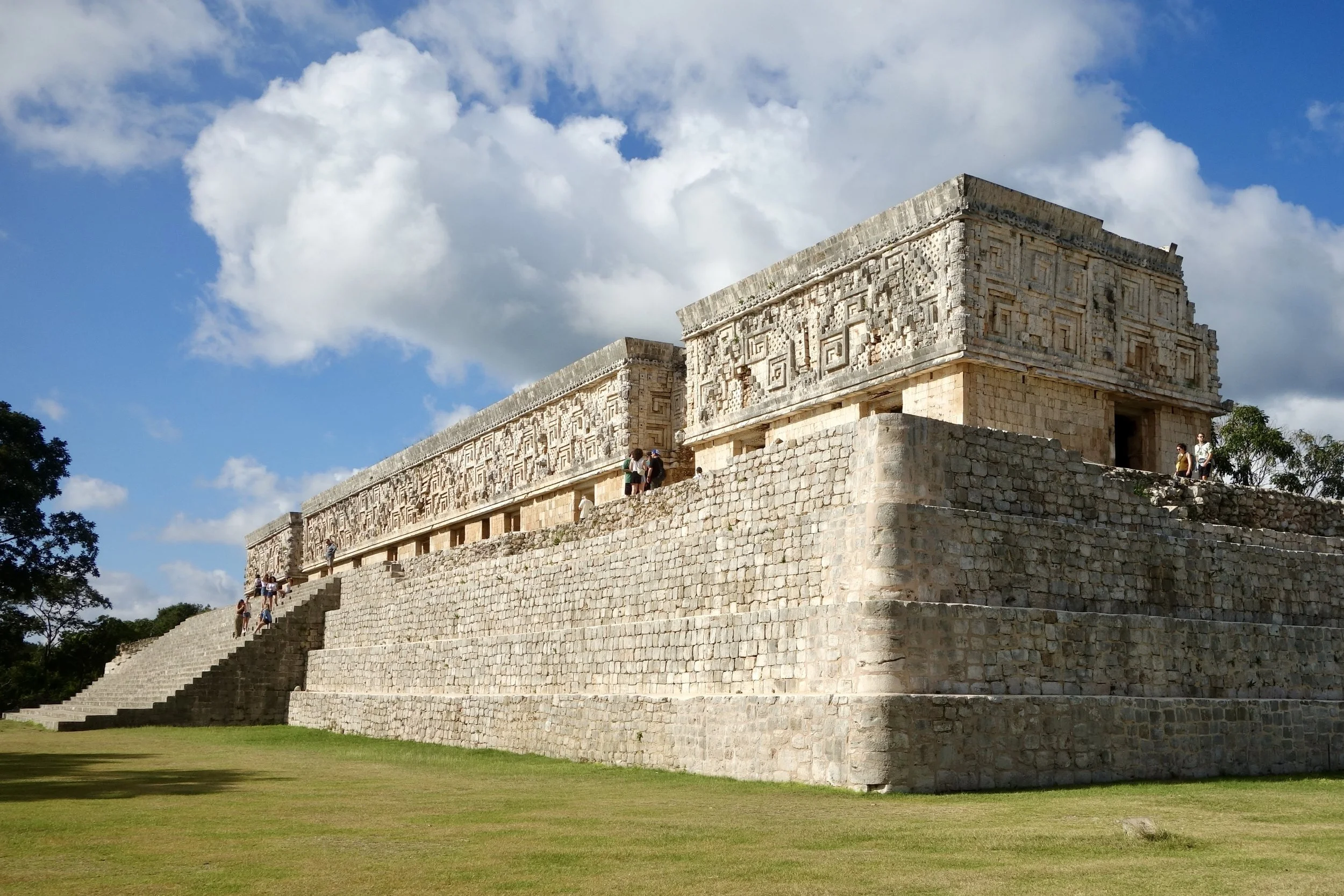
Uxmal
The defining expression of the Puuc style. Grand yet remarkably harmonious, Uxmal combines monumental scale with some of the most sophisticated stone mosaics anywhere in the Maya world.
key site
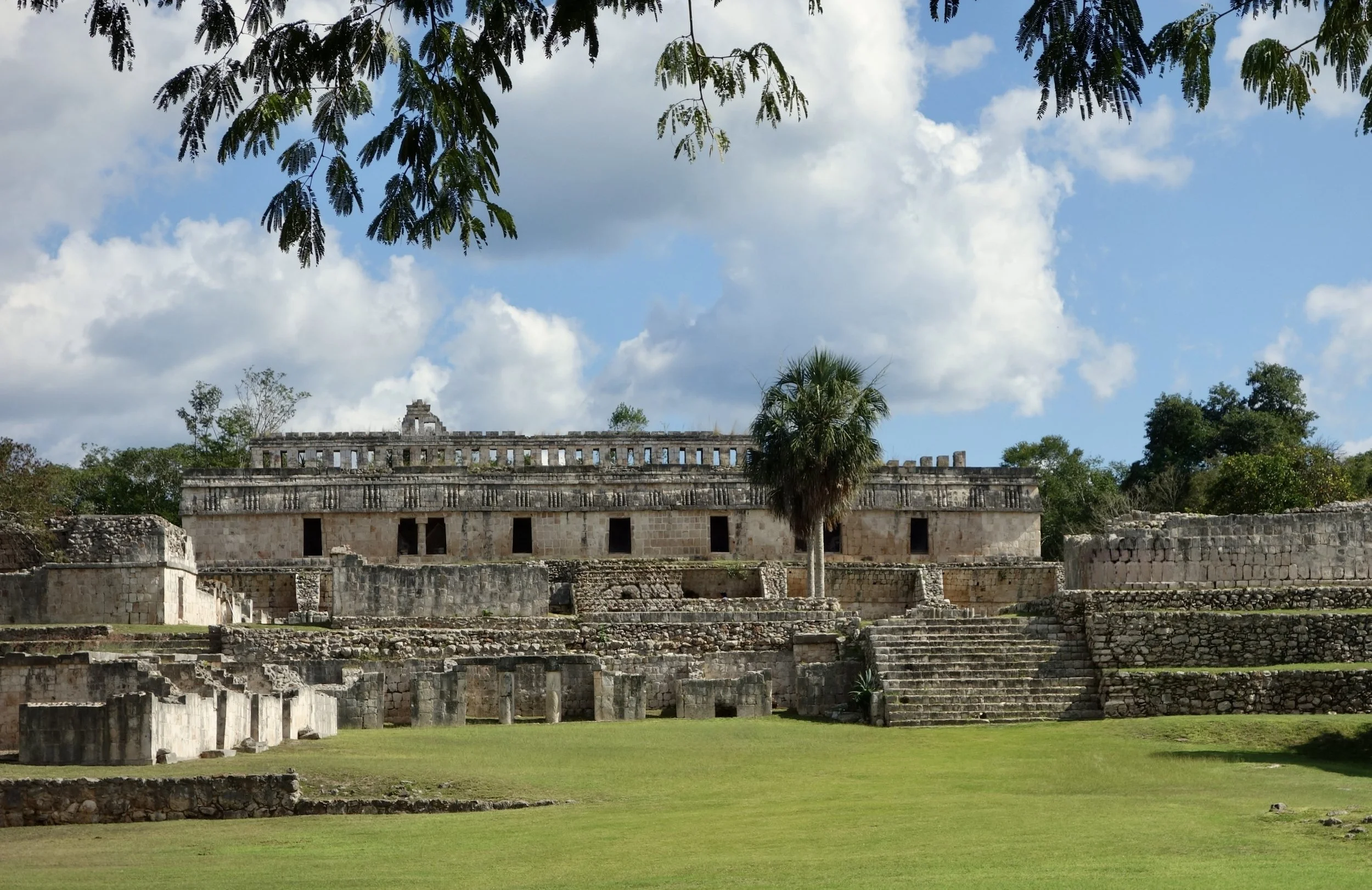
Kabah
A compact but highly expressive site, defined by the dense, almost overwhelming façade of the Palace of the Masks. One of the most direct and legible statements of the Puuc style.
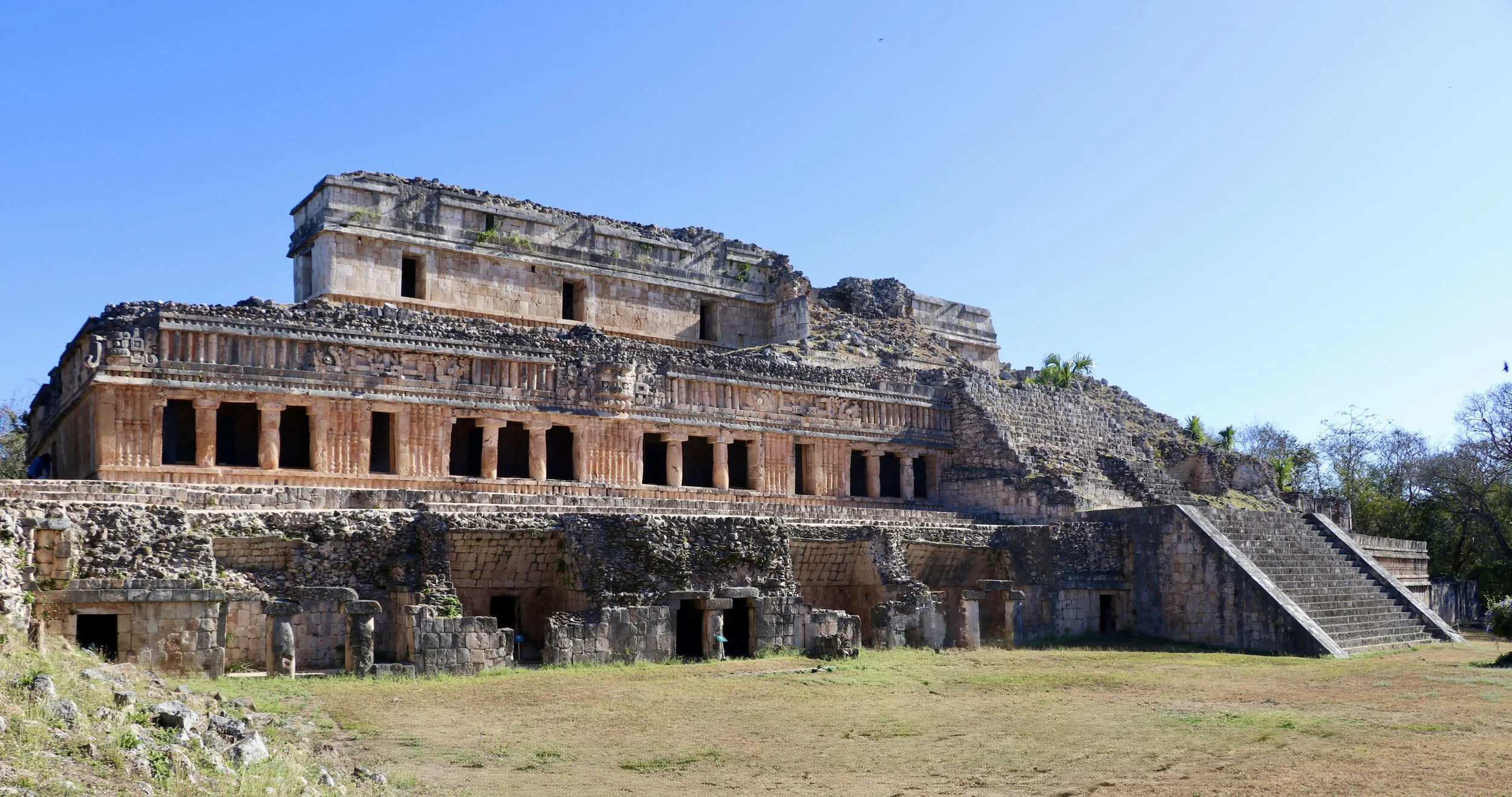
Sayil
A long, imposing palace surrounded by woods, where scale becomes the dominant impression. Less intricate than Kabah, but more about mass and presence.
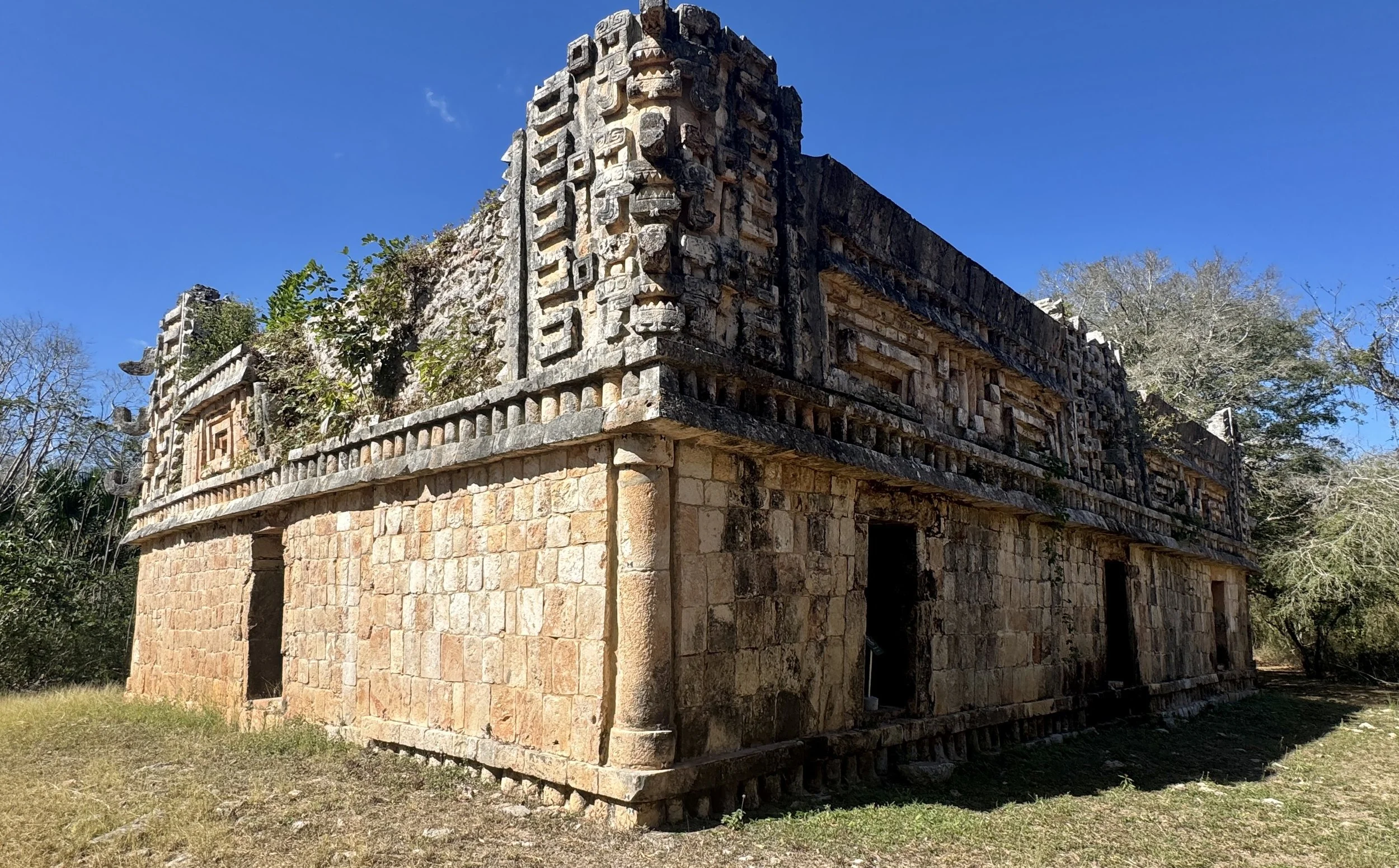
Xlapak
A small, easily overlooked site where the architecture becomes unusually clear. Its compact palace makes the underlying logic of the Puuc style immediately readable.
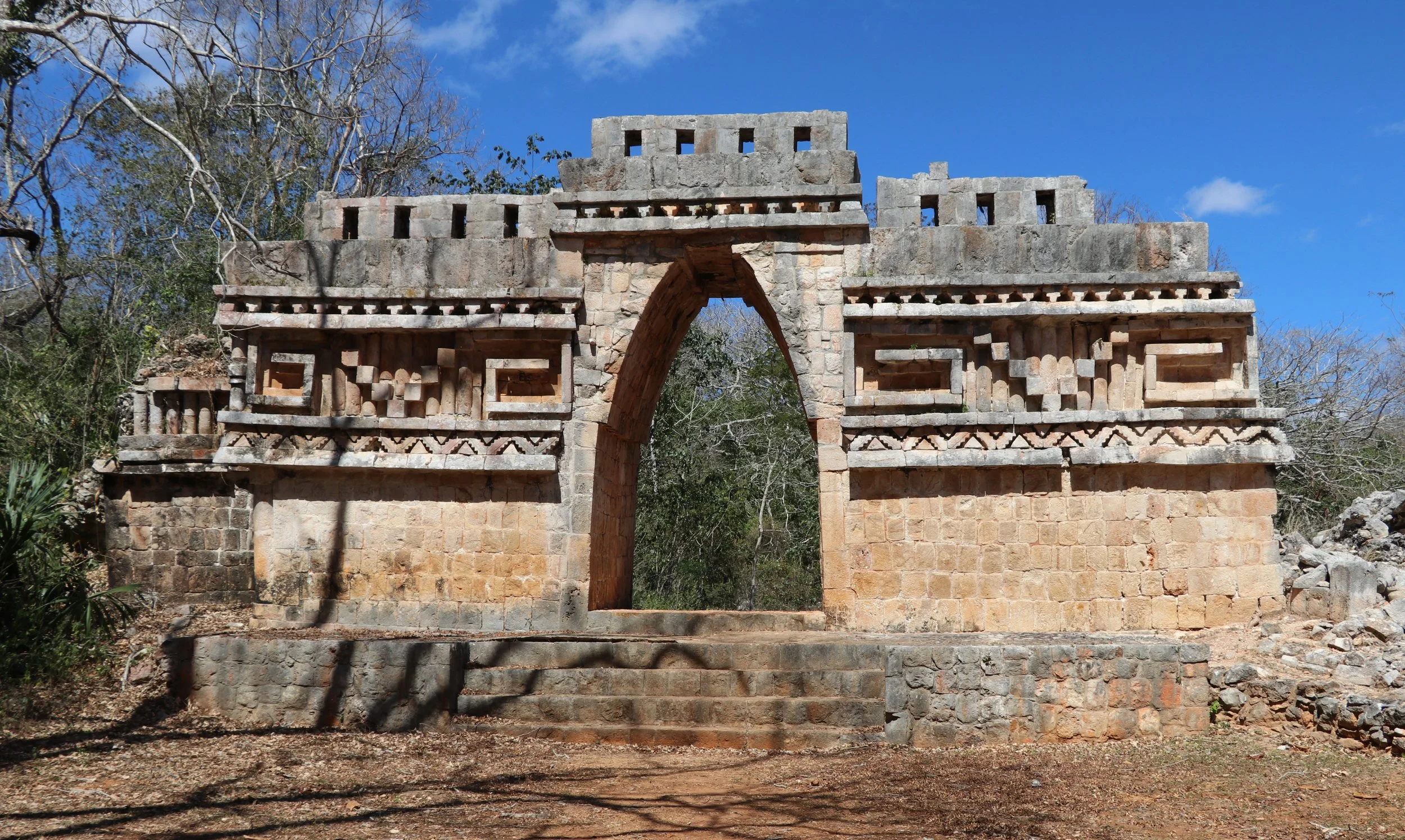
Labna
The southern endpoint of the route, known for its elegant arch and refined palace.
Strategic notes
Prioritize the sequence
The sites are best experienced in order, from Uxmal to Labna. The progression from scale to clarity is part of what makes the route work.
Don’t rush Uxmal
Uxmal requires time. Rushing through it to “fit everything” flattens the rest of the itinerary. If short on time, skip Xlapak, then Sayil (see optimized itinerary).
Use Kabah as a threshold
Kabah marks a shift in scale and density. Beyond it, the sites become quieter and more legible.
Start early
Light is better in the morning, and shade is limited across most sites.
Expect a (mostly) easy drive
All sites are connected by a single, well-maintained road. Distances are short, and logistics are straightforward. Only the smaller access road leading to Sayil, Xlapak and Labna is a bit more challenging but manageable.
Limited cell coverage
There is little to no service on the Puuc Route beyond Muna and Ticul. Plan navigation in advance.
All the Puuc Route sites in one place
Explore the Maya World
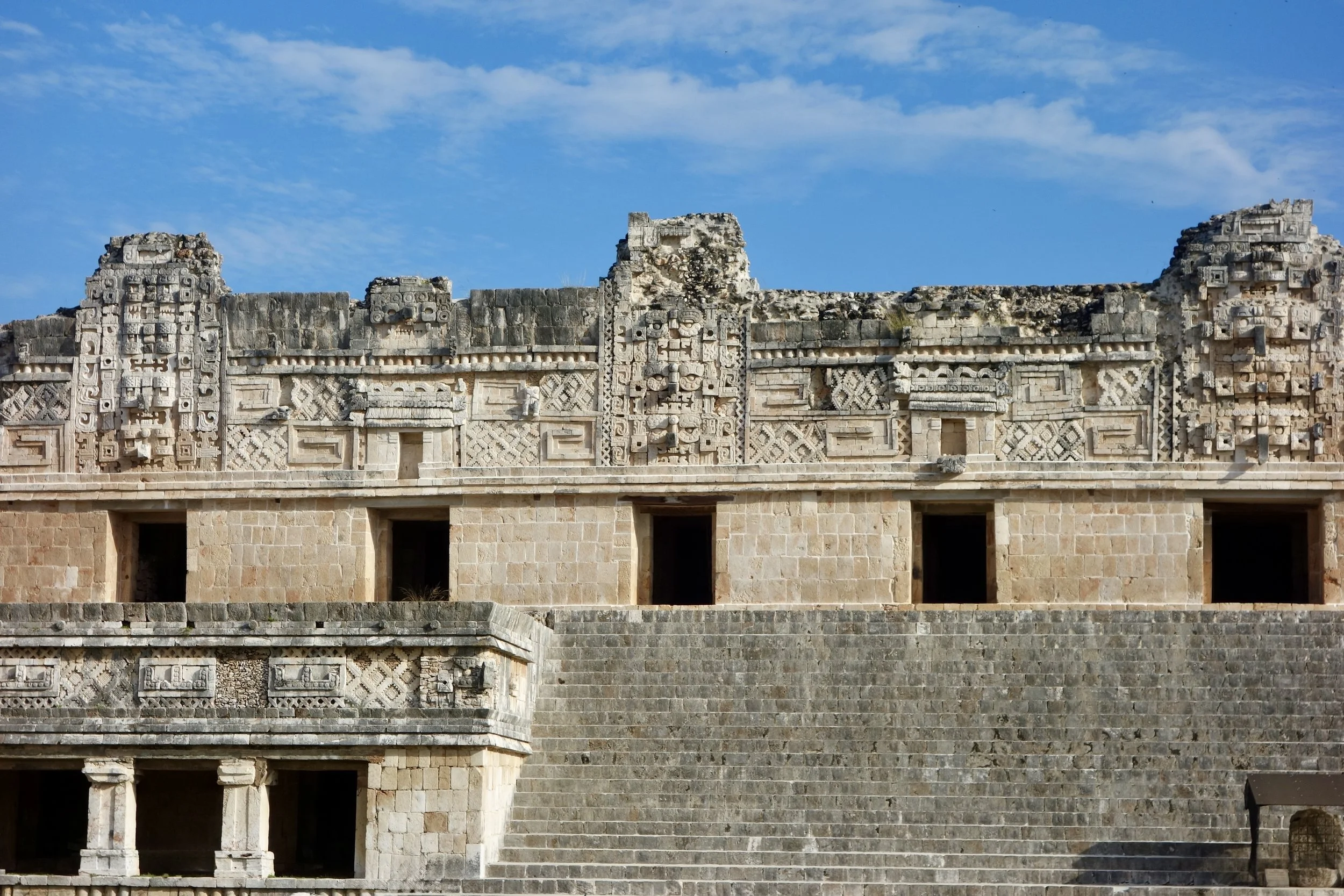
The Maya World
Contemplative journeys and practical guides through remote Maya cities and archeological landscapes.