The Costa Oriental Region
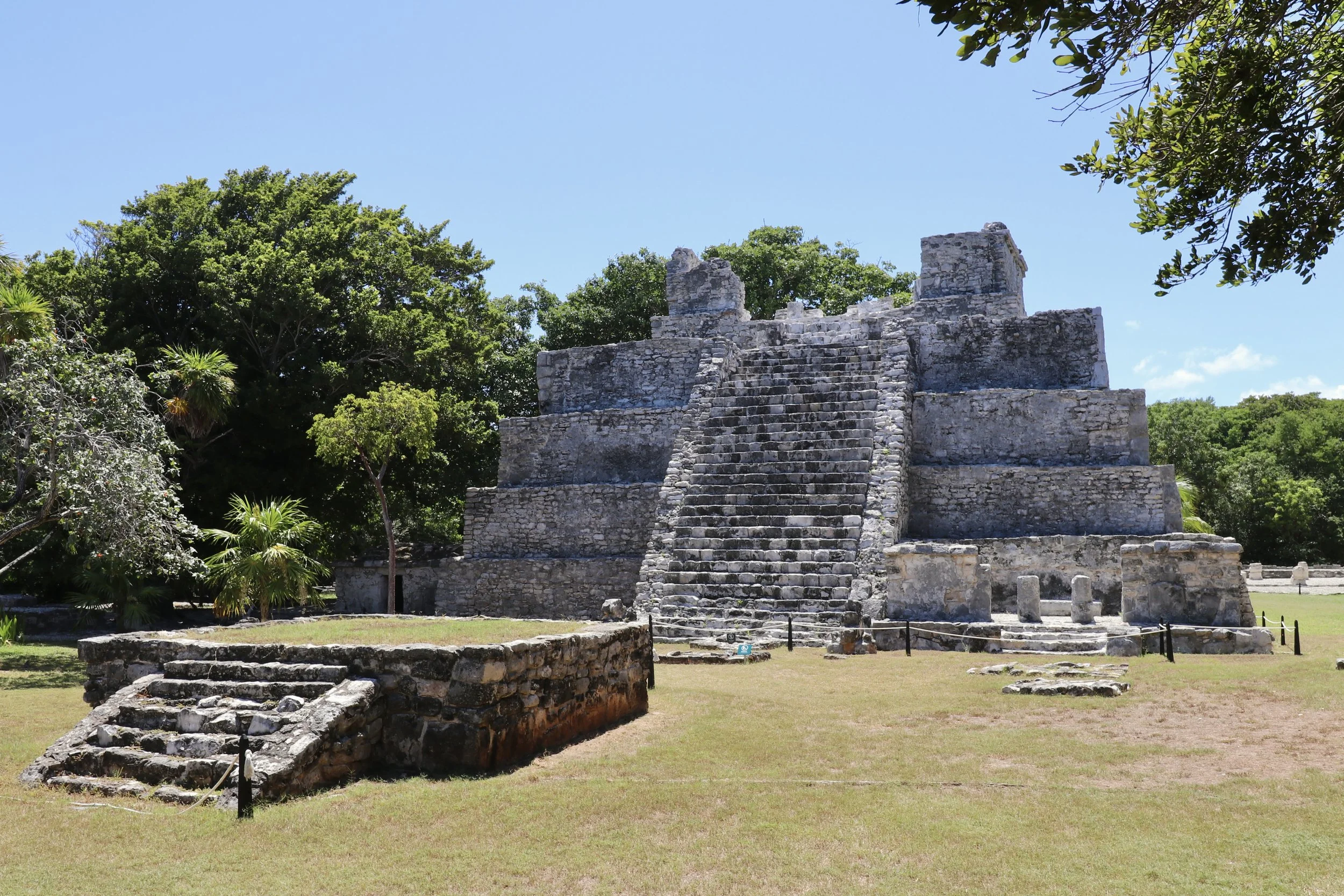
Along the eastern coast of the Yucatan Peninsula, Maya cities took on a lower, more horizontal form, shaped by trade, rituals and the sea.
The Costa Oriental region at a glance
click on a dot to explore
The Costa Oriental landscape
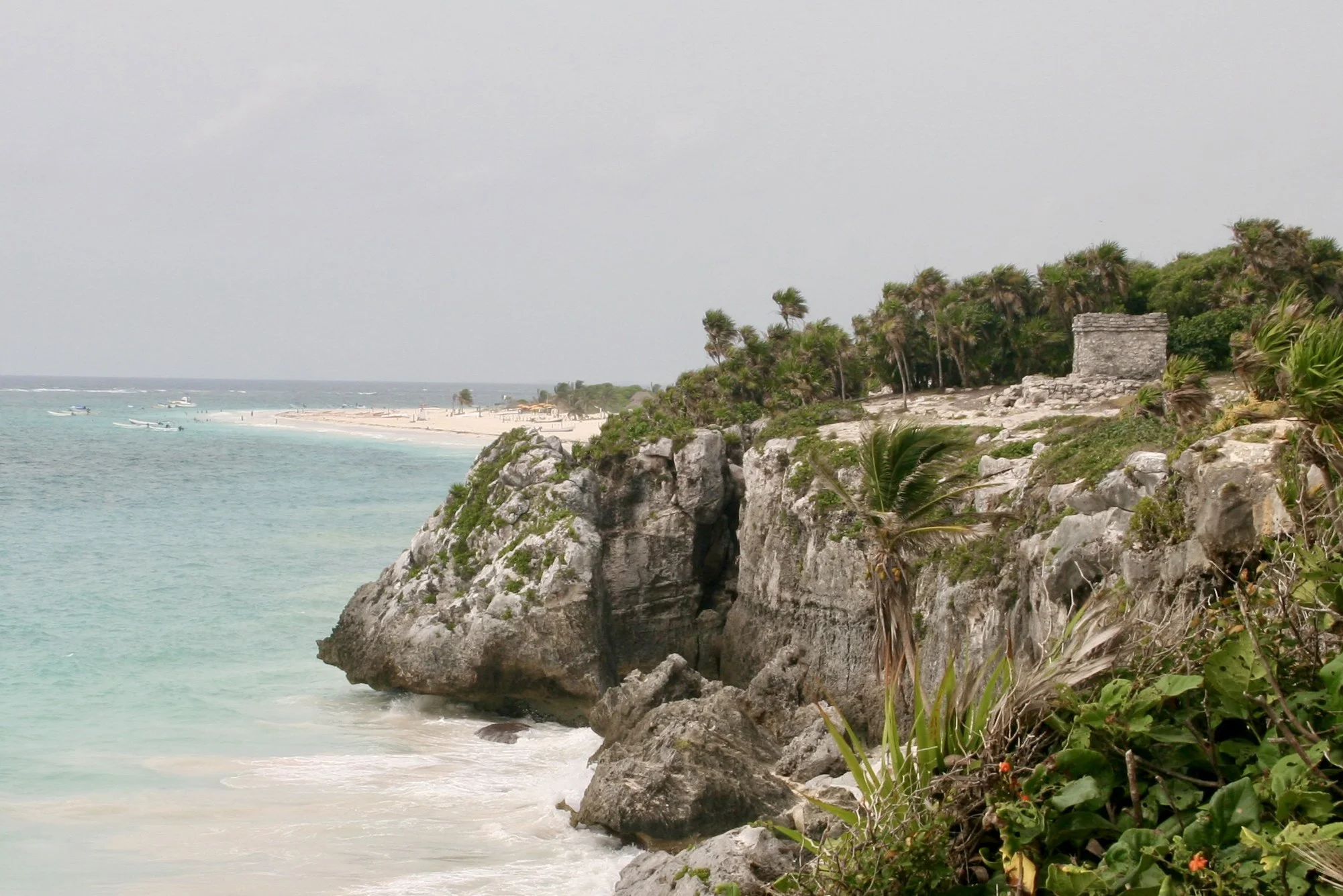
The Costa Oriental stretches along the Caribbean coast of Quintana Roo, across a low limestone plain of beaches, mangroves, lagoons and tropical forest. Wetlands and shallow depressions extend behind the shoreline, while elevation changes remain slight across much of the region.
With few surface rivers, fresh water remained a fundamental constraint. Maya communities relied on cenotes, wells and other water sources, while lagoons, inlets and sheltered bays provided natural connections between the coast and the interior.
Settlement was closely shaped by this coastal geography. Communities occupied raised ground near the sea, wetlands and inland routes, while maritime access encouraged movement and exchange along the Caribbean.
The Costa Oriental architecture

Costa Oriental architecture developed along the Caribbean coast during the Postclassic period, reaching its clearest expression after about 1400 AD. Unlike the soaring temple-pyramids of earlier Maya cities, its buildings tended to be lower and more horizontal, with flat roofs supported by columns replacing the traditional corbel vault.
The style favored small temples, miniature shrines and sanctuaries built within larger structures. Walls were sometimes deliberately inclined, while smooth facades, moldings and niches provided surfaces for stucco decoration and mural painting.
These forms spread across the eastern coast of Quintana Roo, appearing at sites such as Tulum and El Meco (pictured). Though individual buildings varied considerably in scale, the style remained closely associated with the late coastal cities of the region and their maritime setting.
A Maya world facing the sea
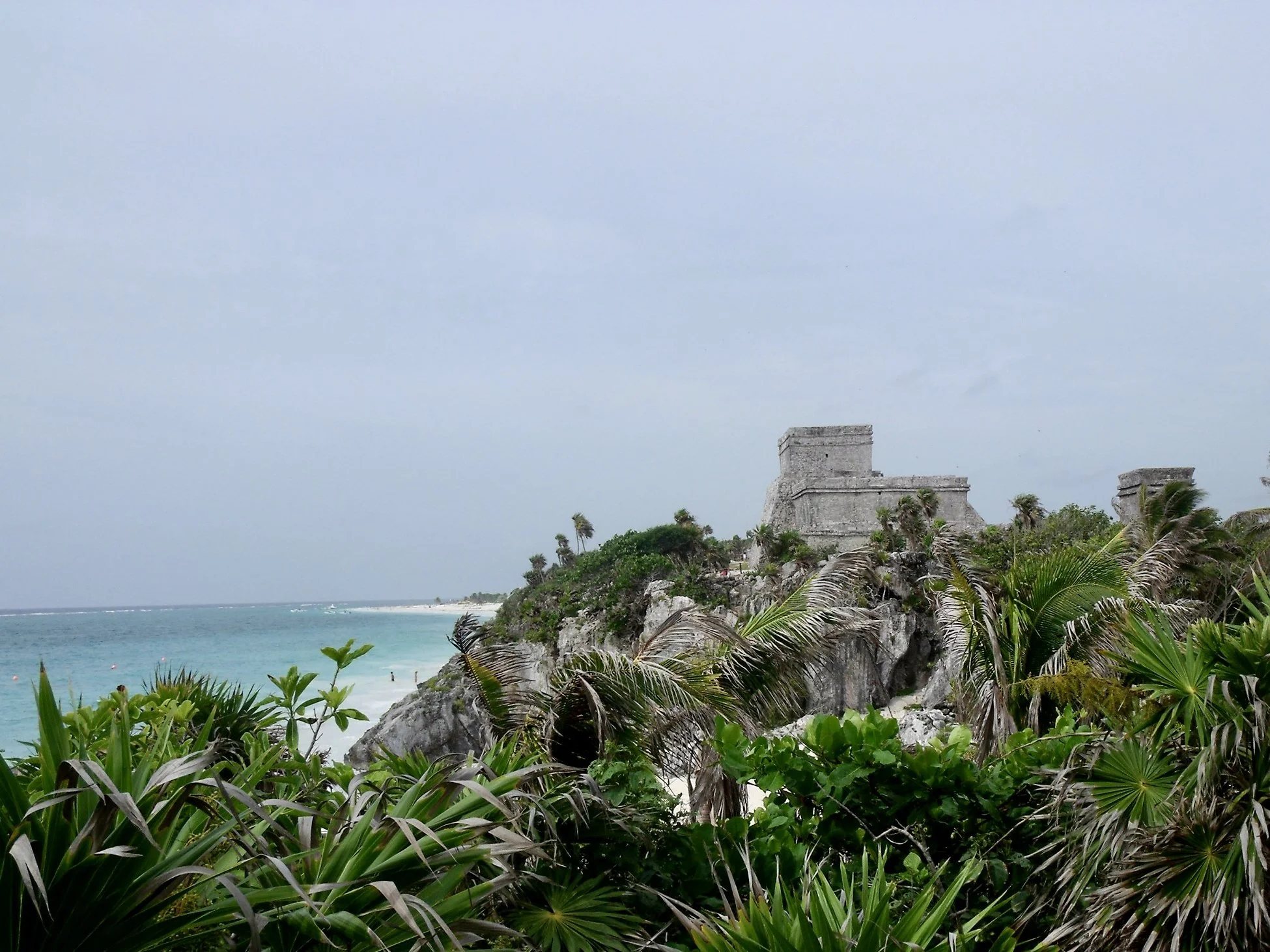
Along the eastern coast of the Yucatan Peninsula, the Costa Oriental developed a Maya identity shaped by its relationship with the Caribbean. Coastal towns and island communities flourished within a maritime network, especially during the Postclassic period, connecting the region with shores far beyond its own.
At ports such as Tulum (pictured) or El Meco, canoes carried salt, fish, shells, and goods from distant regions, while pilgrims crossed to Cozumel. Trade and religious journeys brought people and ideas through the same coastal passages.
This relationship with the sea helped shape a distinctive cultural landscape of compact temples, painted sanctuaries, and settlements overlooking the water. The Caribbean Sea was central to the Costa Oriental’s identity, influencing where communities grew, how they traded, and the sacred places toward which they traveled.
Tulum, the Costa Oriental highlight
key site
Tulum
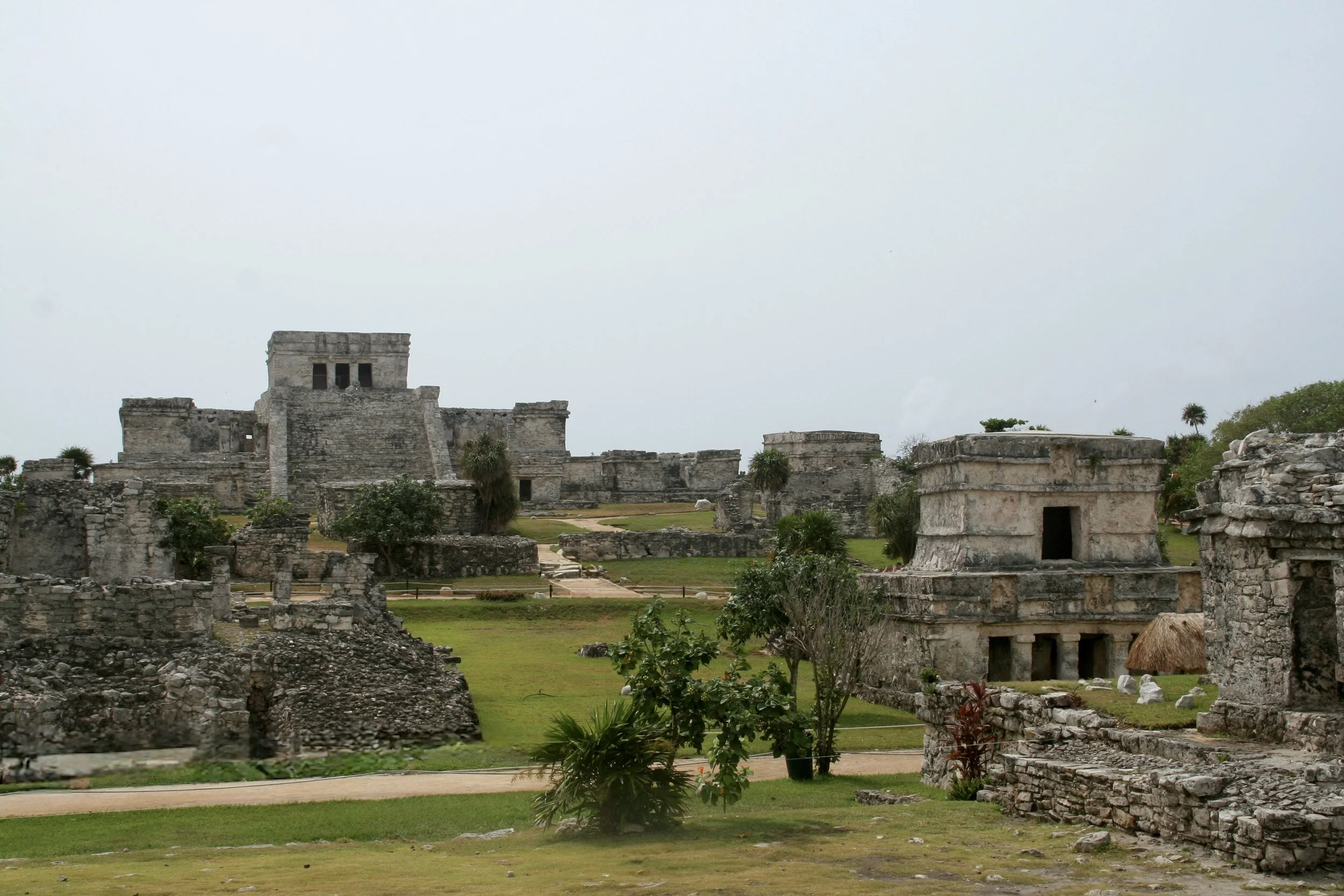
Perched on cliffs above the Caribbean, Tulum is the best-known expression of the Costa Oriental’s maritime world. Its walls enclose temples, palaces, and shrines, with El Castillo its masterpiece. Tulum offers a vivid introduction to the region’s distinctive architecture and life beside the sea.
Other selected Costa Oriental sites
El Meco
A compact coastal center overlooking the waters near Isla Mujeres, El Meco played an important role in Maya maritime trade. Its main pyramid, El Castillo, rises above a central plaza, making it a distinctive example of Costa Oriental architecture.
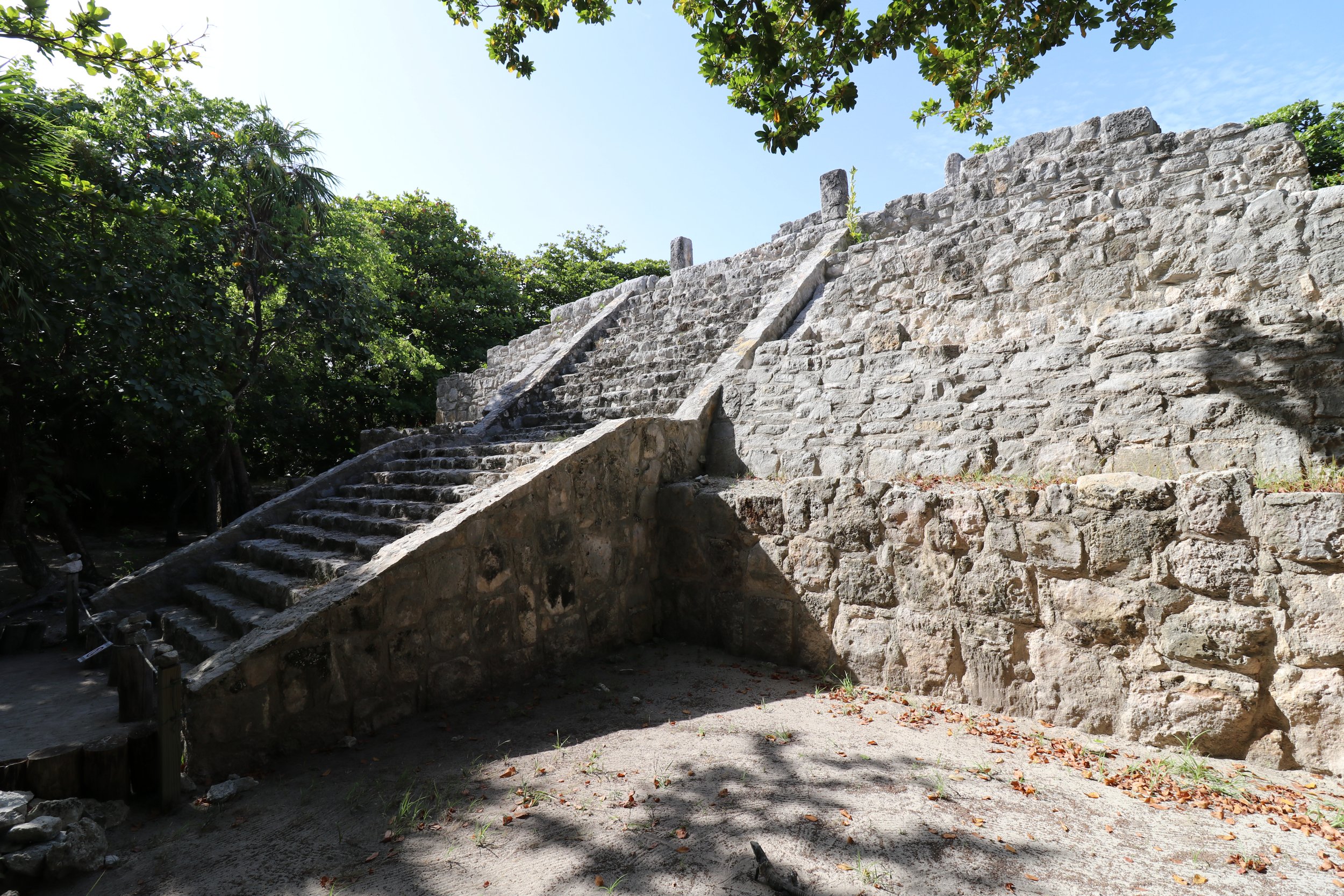
San Miguelito
A small Maya settlement on Cancun island, San Miguelito formed part of the Costa Oriental’s maritime trading network. The site shows traces of a coastal community that flourished during the Postclassic period.
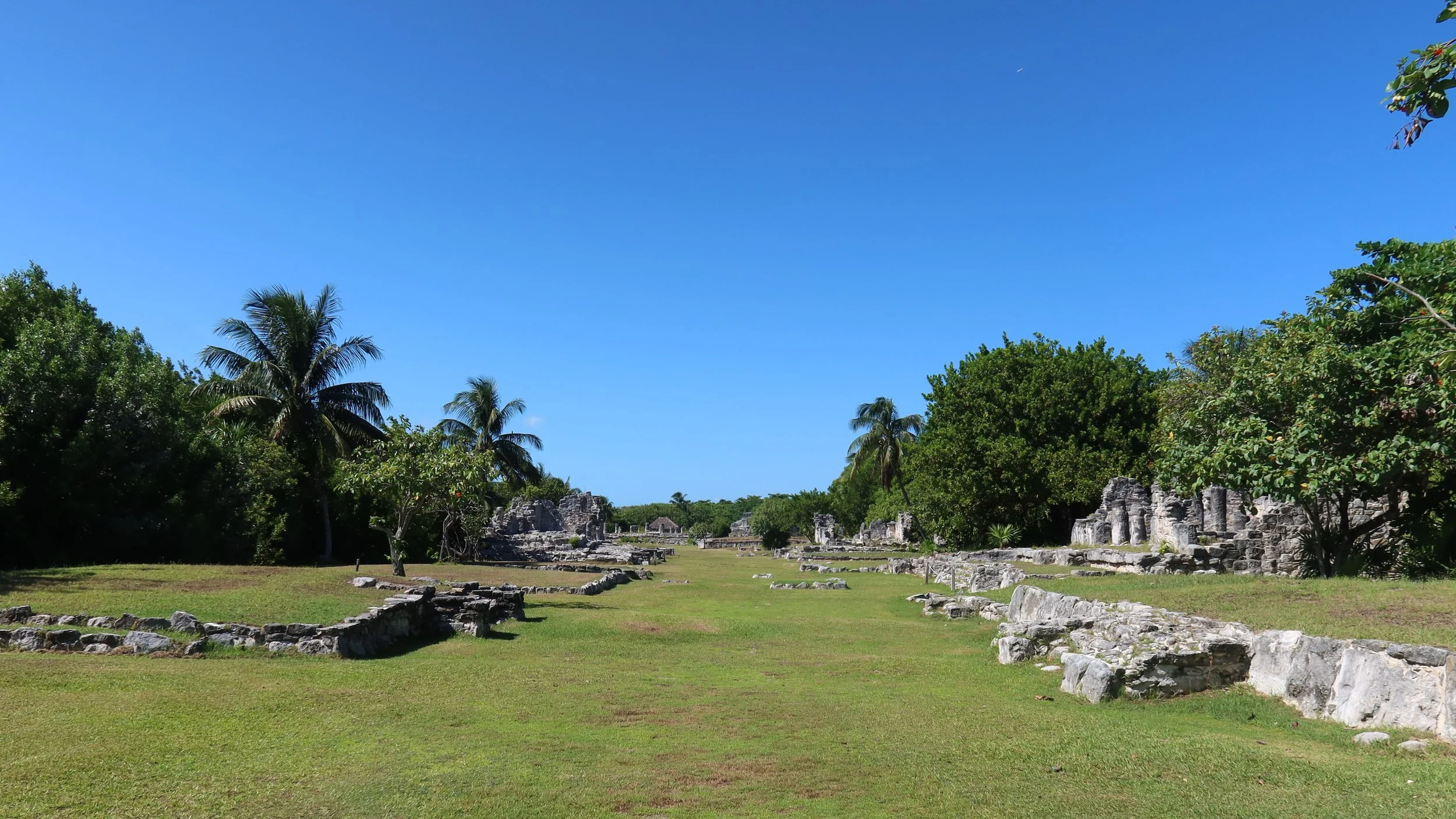
El Rey
El Rey’s low platforms, columns, and temple remains trace the outline of a Maya town on Cancun island. Active during the Postclassic period, it offers a modest but revealing glimpse of the Costa Oriental’s architecture and coastal life.
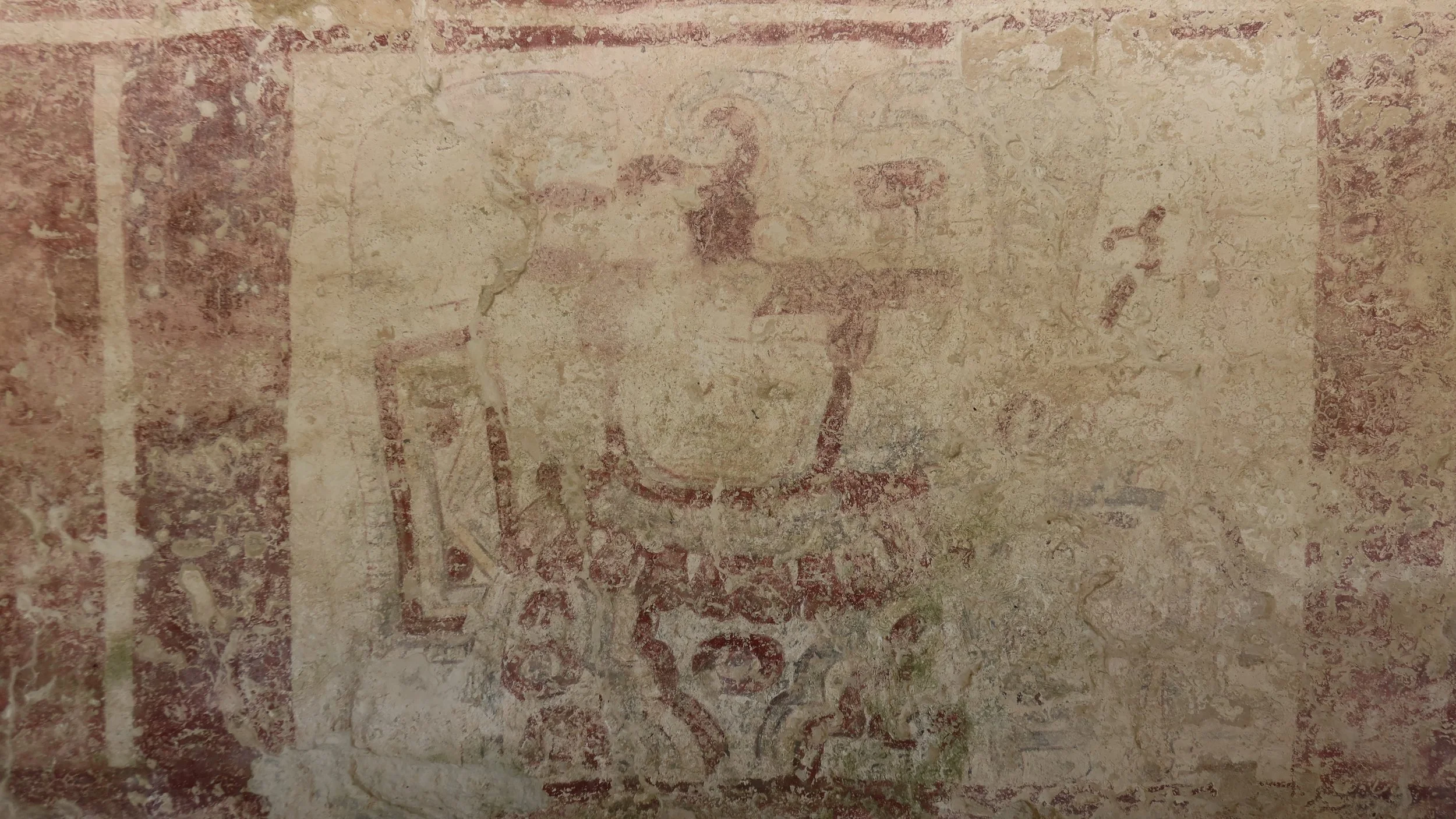
Xelha
Wooded paths lead through Xelha’s temples and palaces, where fragments of painted birds survive on ancient walls. With roots extending back to the Early Classic period, this former port reveals a long history.
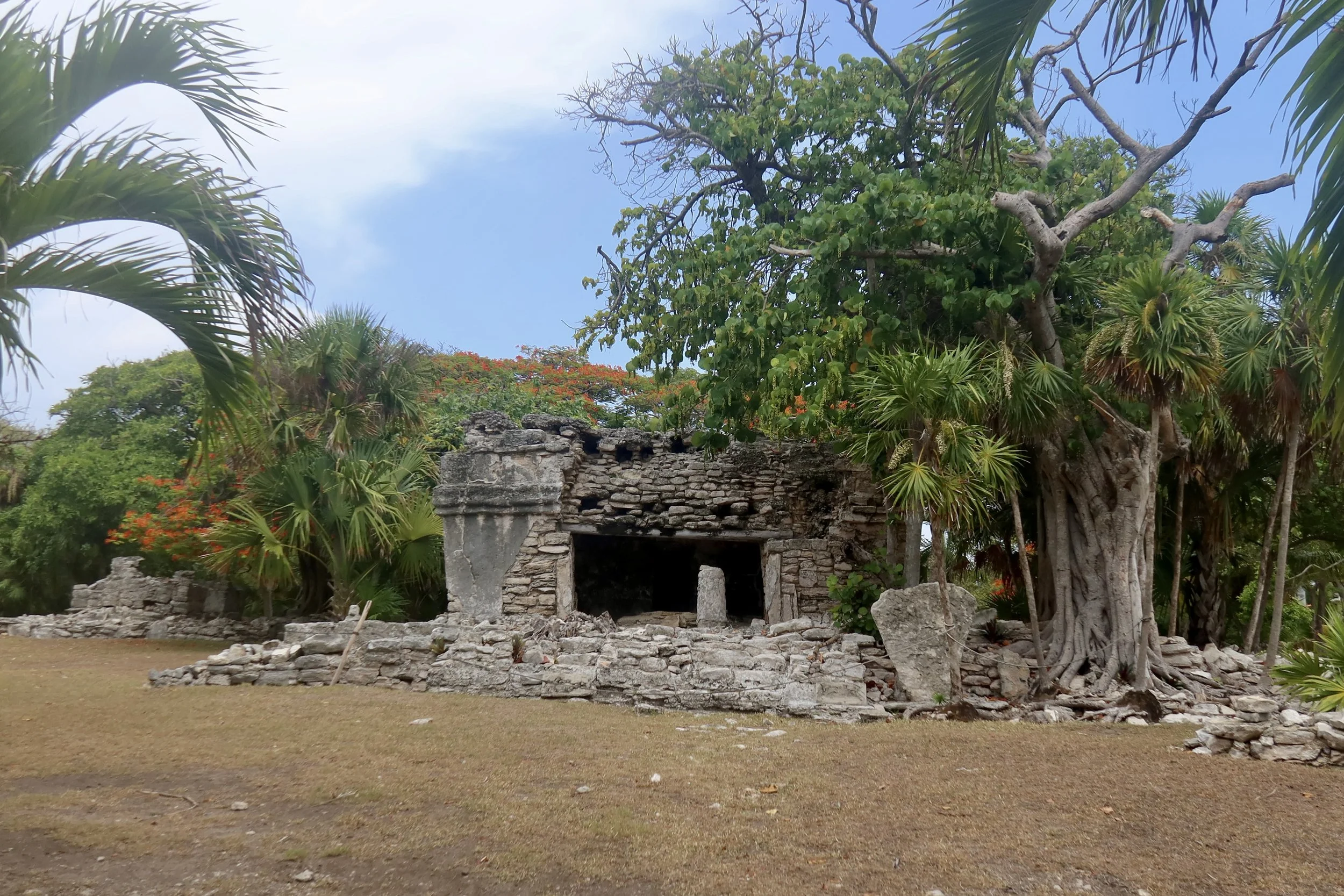
Xamanha
Scattered among Playacar’s gardens, Xamanha’s small temples preserve a quieter chapter of the Costa Oriental’s history. This Postclassic fishing community stood opposite Cozumel and may have served as a departure point for island crossings.
Costa Oriental influence inland
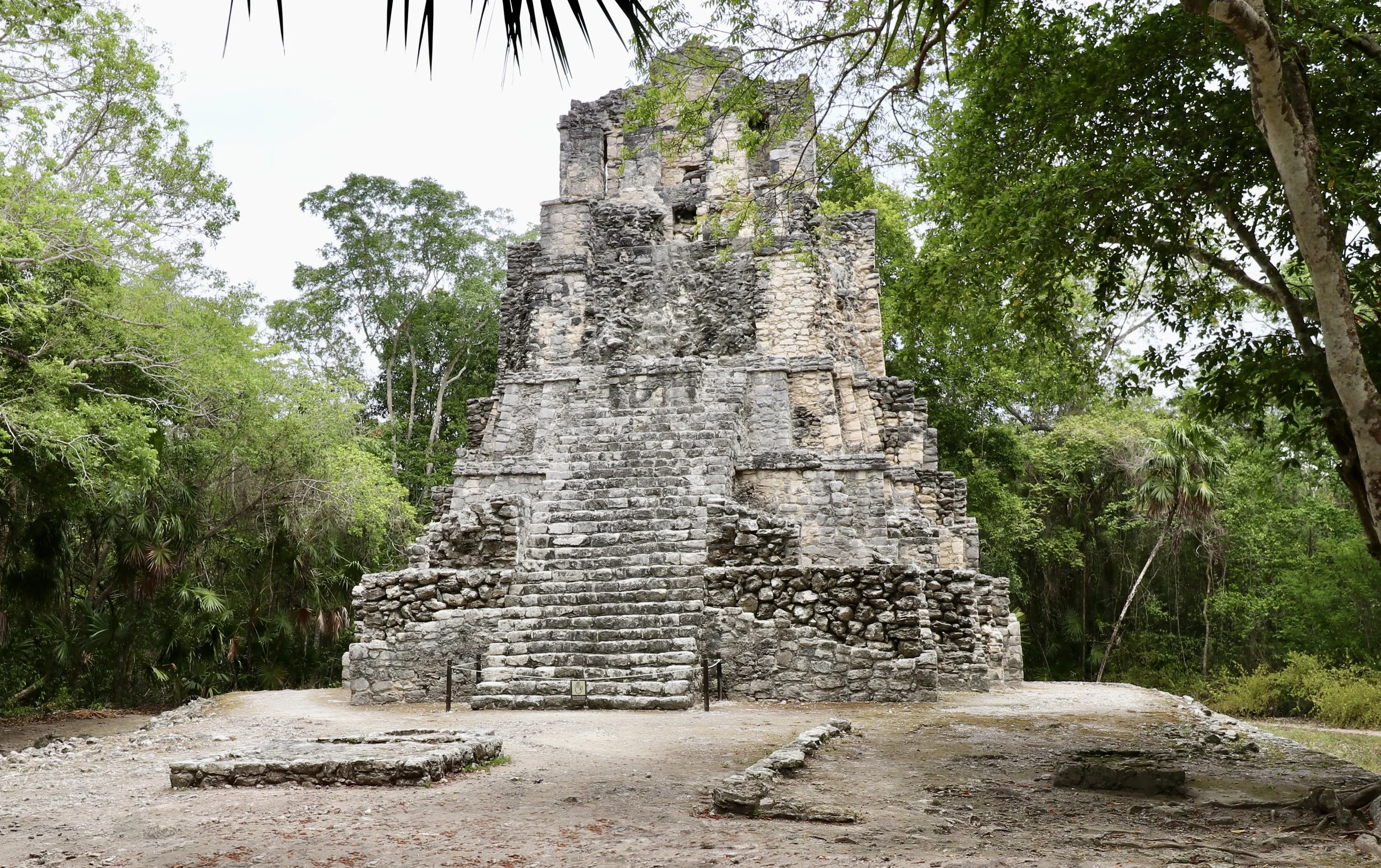
Muyil
Muyil combines architectural traditions from different periods. El Castillo reflects the Peten style, while later temples display Costa Oriental features, revealing the city’s far-reaching connections.
Costa Oriental itineraries
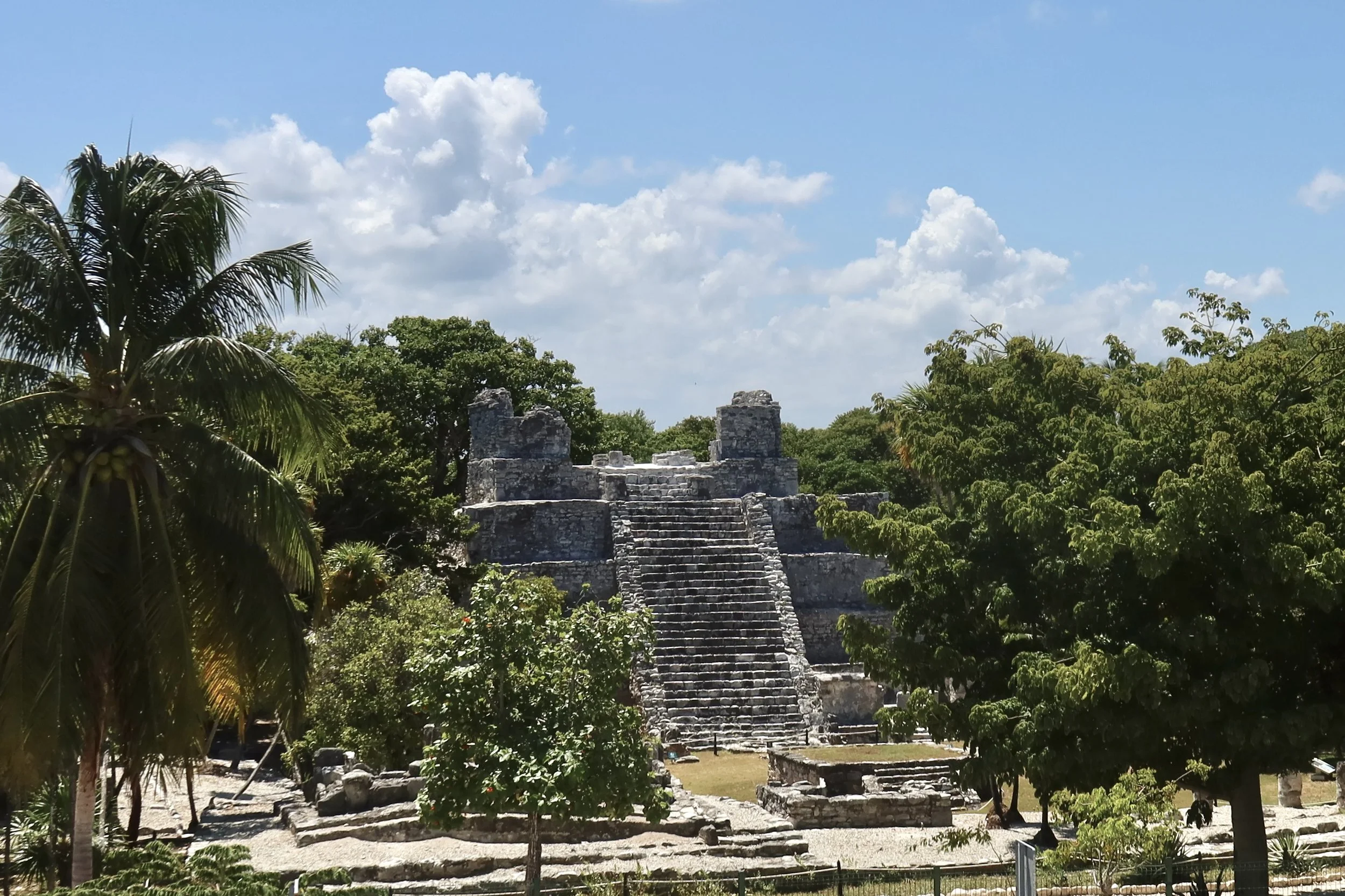
1-day itinerary
Costa Oriental sites near Cancun
A one-day route linking three Maya sites across Cancun, sequenced around morning light, midday shade and the afternoon sun.
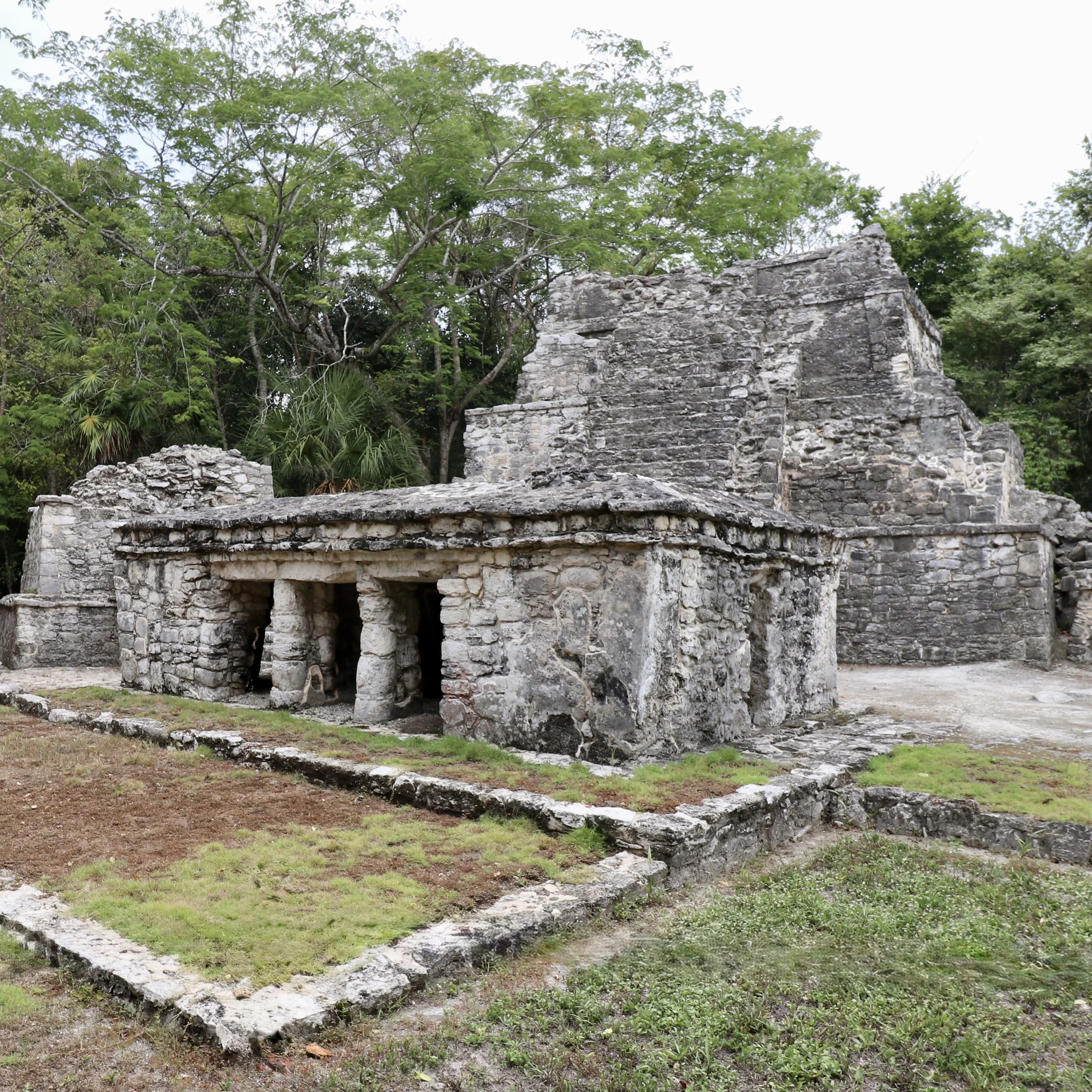
1-day itinerary
Maya sites south of Cancun
A one-day route into southern Quintana Roo, from the coast to the inland forest, including Muyil and Coba.
Coming Fall 2026
KEEP EXPLORING
Continue through the Maya world
Discover its cultural regions, archeological sites and itineraries.