The Other Acapulco.
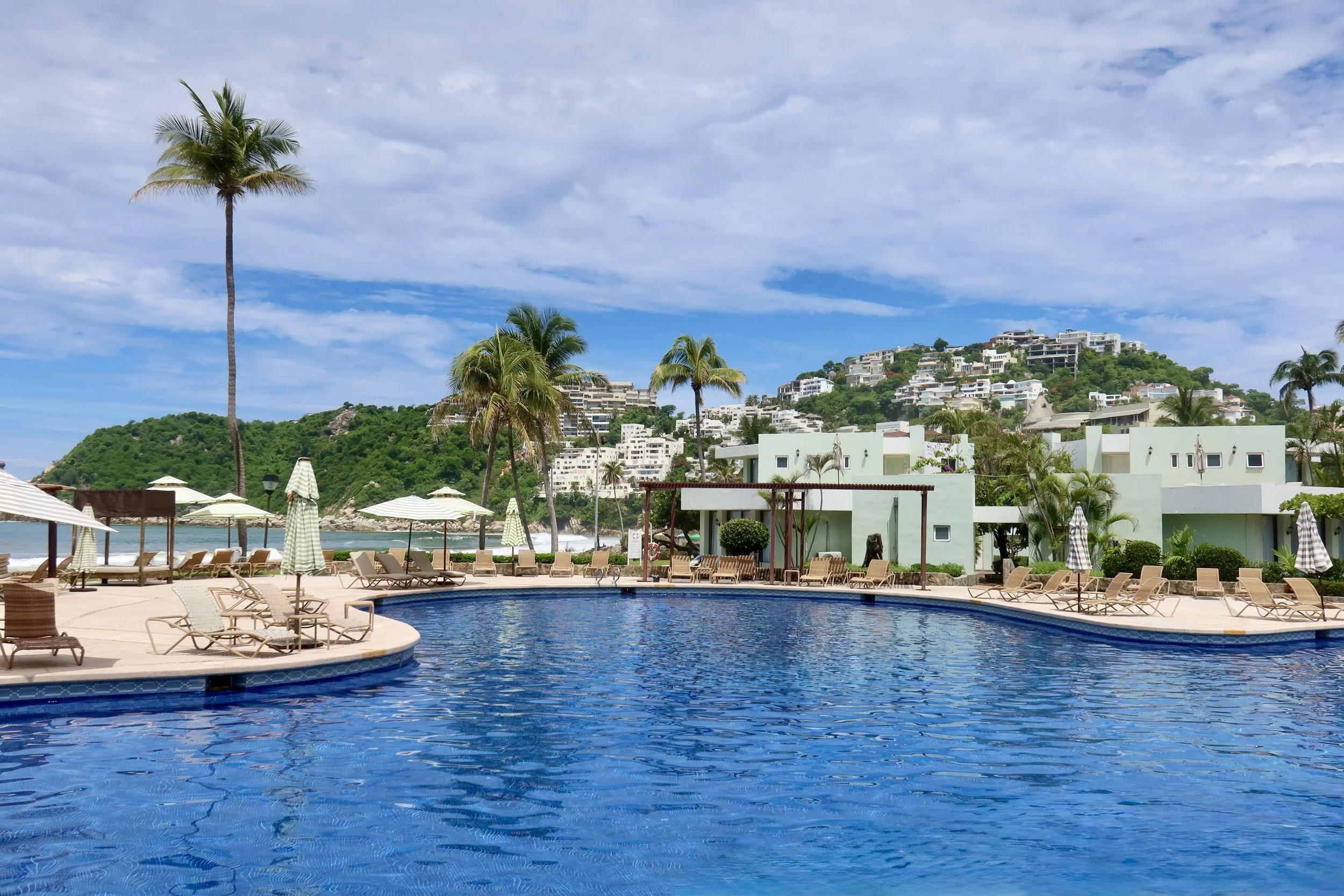
The Riviera Diamante and the city it couldn’t replace.
Looking for concrete details and tips? Go straight to the Practical Information section.
It was 5pm and the Taxqueña terminal was brimming with people. In the US, and especially on the East Coast, a weekend in the sun is as likely to be starting with a plane hop as it is to mean a long car ride. Yet here we were, in Mexico City, in a crowded bus terminal at peak hour, making our way to the waiting room for our 5.45pm service to Acapulco.
The Guerrero resort town carries a lot of baggage, from its heyday as a destination of choice for cavorting Hollywood stars, to its most recent role as a one of the cities in the nation with the highest murder rate.
For Chilangos, or Mexico City residents, Acapulco remains the destination of choice for an easy weekend in the sun. Its beaches are the closest to the capital and the trip can take less than 5 hours on a modern highway crossing through the mountainous terrain of central Guerrero.
There are almost seventy departures a day from Mexico City to Acapulco, and that’s not counting secondary bus operators running services outside main terminals. While most people will use their own car to drive down the Autopista del Sol, the experience of riding a Mexican bus to the beach is vastly different from what a US traveler might expect.

An Estrella de Oro bus at the terminal Diamante in Acapulco.
Our tickets were for an Estrella de Oro Diamante service, a luxury bus, and they allowed us the use of a specific, closed-off waiting lounge, as well as free beverages upon getting on the bus. With only 27 seats arranged in a 1+2 layout and two bathrooms, it never felt cramped. Our fellow travelers seemed to be upper middle-class Mexicans, either without a car or preferring to be driven through the Guerrero Sierra rather than make the drive themselves. The bus glided swiftly onto the Autopista del Sol towards Cuernavaca, and silence quickly fell, everyone either sleeping or watching a movie on their individual screen. The five-hour trip flew by.
I had visited Acapulco the year before, alone, and had stayed in the older part of the city, along its eponymous bay, that locals call the Costera area. This time, we were going to the Riviera Diamante (Diamond Riviera) neighborhood.
Developed in the 1990s to increase Acapulco’s footprint and its hotel room count, the Riviera Diamante stretches in a flat area between the Pacific Ocean and the Laguna de Tres Palos, all the way to the international airport. Designed as a counterpoint to the more traditional resort facilities on the bay, it reminded me of other beach towns of the same era: immense, vertical towers along the shore, separated by golf courses, served by wide avenues along which low-scale developments, malls and restaurants were erected.
If the Costera felt like a European city, walkable and dense, the Riviera Diamante was its American cousin, clearly designed for cars, everything spaced out and dotted with wide parking lots. I immediately thought of the contrast between old Puerto Vallarta and the newer development to the north, Nuevo Vallarta, modest, white-washed buildings against glimmering glass towers.
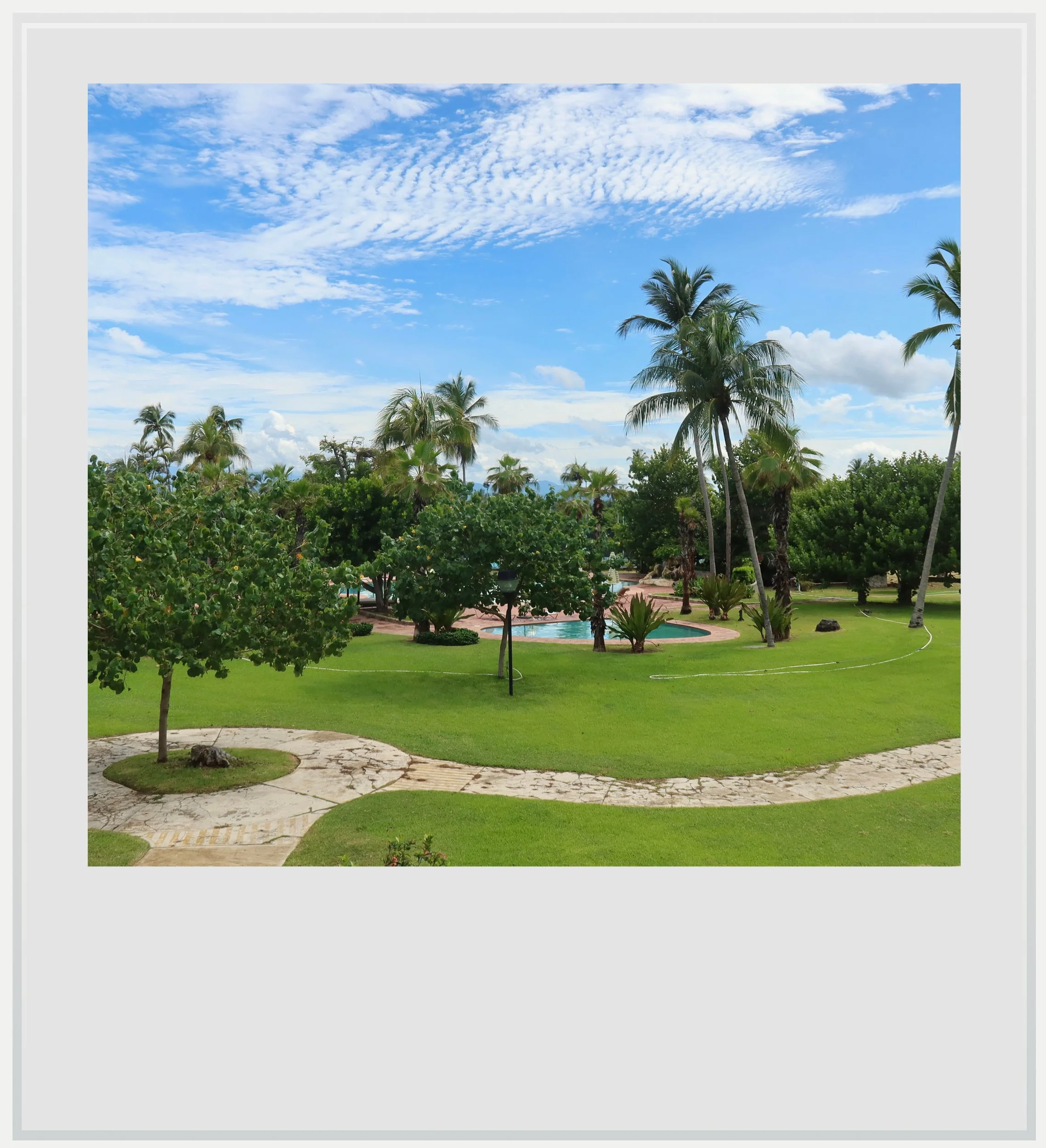
The Pierre hotel grounds in Acapulco.
That difference became obvious as we got off the bus. Unlike its Costera counterpart, a heavy concrete structure set in the urban jungle, the Riviera Diamante bus station felt like a mini airport terminal: tall and airy, all metal and glass and screaming modernity.
I had made up my mind: we had arrived in the new Acapulco, the one where I would see American hotel chains lined up on the main boulevard and billboards in English to promote the latest real estate developments with prices in dollars. We got to our hotel, the Pierre Mundo Imperial, after a short cab ride.
The first blow to Acapulco came from the very people that helped put it on the map.
Walking towards breakfast on Saturday morning, and discovering the hotel grounds in daylight for the first time, I was surprised - in a way no amount of online research could have told me how the hotel would actually feel. I had expected the contemporary equivalent of a Marriott resort, sleekly designed, white and grey with perhaps a hint of Mexicanness.
In fact, looking left and right, I was immersed in full Mexican glamour, old-Acapulco style. The low-slung complex design screamed upscale 1960s and was perfectly maintained, from the stone paths to the manicured lawn (featuring a touch of color and bright exotic plants, which felt oddly authentic, not a superfluous nod).
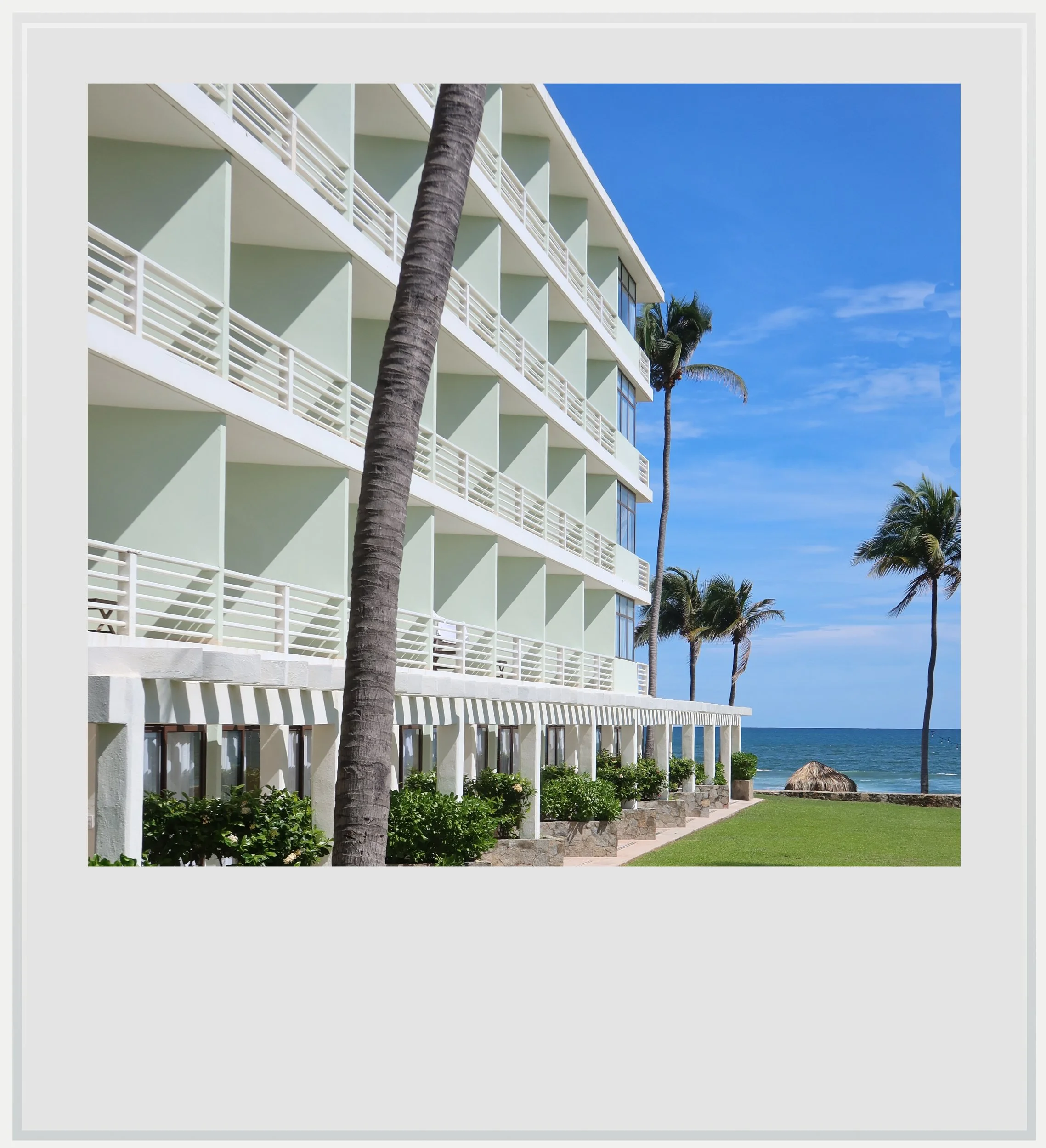
Hotel rooms at the Pierre hotel in Acapulco.
It turned out the hotel existed before the Riviera Diamante area was ever designed. J. Paul Getty, heir to the famous US fortune, built a retreat there, at the time where the area was remote and undeveloped, but quickly decided to transform it into a glamorous resort, away from the hustle and bustle of Acapulco’s Costera area. He named it the Pierre Marqués, a nod to both the Pierre hotel in New York which he owned, and the Puerto Marqués area near which the hotel sat.
Today, the hotel is among the most regarded along Revolcadero beach, a quieter resort than larger properties further south.
I was surprised to arrive in Riviera Diamante, expecting to bask in whatever the new, more modern version of Acapulco was supposed to offer, and end up in one of the most iconic hotels of the seaside town’s golden era.
This unexpected mix of old and new made me realize my perception may not have been correct: the Pierre hotel was the evidence glitz and glamour had already touched that part of the coast long before the Zona Diamante (Diamond Zone, another name for the neighborhood) became a project, let alone a reality.
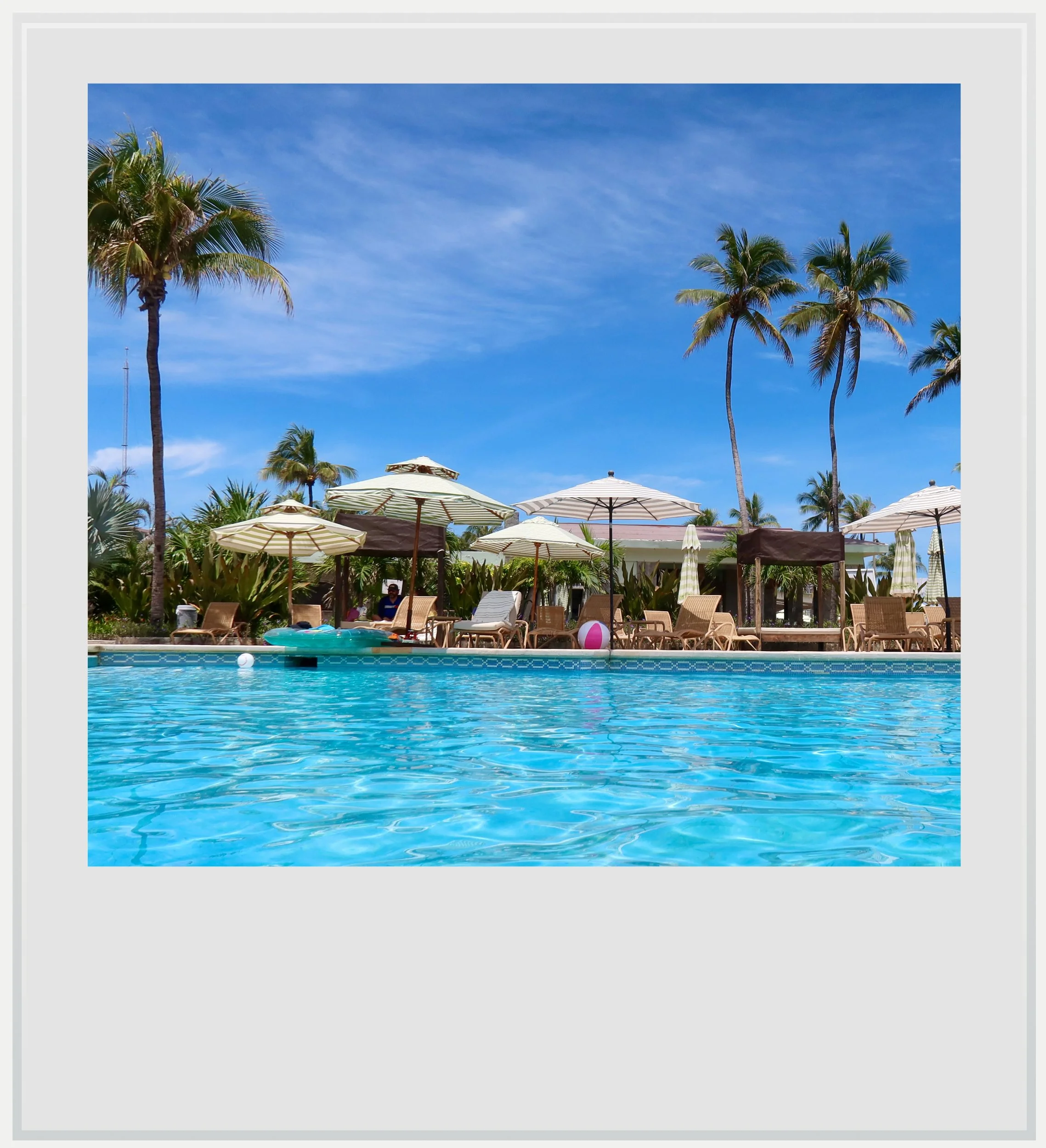
One of the pools at the Pierre hotel in Acapulco.
I decided to investigate.
This turned out to be a fascinating dive into the city’s tumultuous history: Acapulco’s fall from glamorous resort of the Hollywood set to a regional vacation spot notorious for its very high crime rate is well known, but how did it happen, and how did the development of the Zona Diamante fit into it?

Drawn by Acapulco’s bay, the perfect setting for a protected harbor, the Spanish conquistadores of the 16th century built a port that would develop trade between the Spanish colonies on each side of the Pacific ocean, making Acapulco one of the key ports of then-New Spain. That would matter later.
In the 20th century, Acapulco slowly became a place for the wealthy to enjoy a vacation in the sun. Word of its incredible natural setting traveled further, and it began to attract Hollywood stars, who gave the area its international cachet, cemented in 1963 by the movie Fun in Acapulco, starring Elvis Presley. Acapulco had successfully transformed from a strategic trade port into a glimmering resort for the rich and famous. That part I knew.
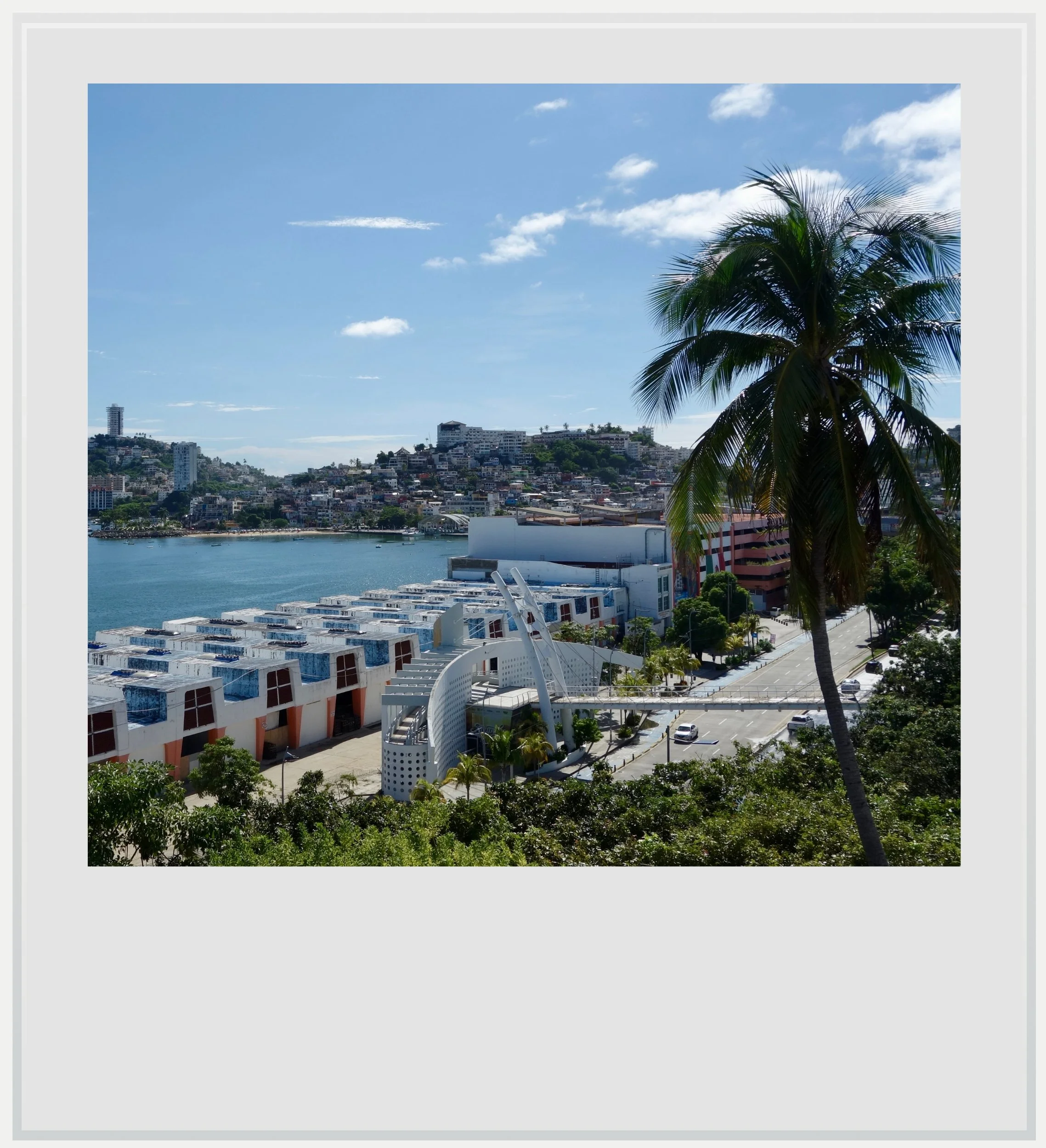
The cruise ship terminal in old Acapulco.
I had assumed the Zona Diamante was built to create a new, safe Acapulco away from the urban jungle along the Costera, ravaged by drug wars. In fact, the first blow to Acapulco’s fortunes came from the very same people that helped put it on the map: in the late 1960s, the Mexican government decided to develop Cancun as a world-class beach resort, gradually drawing away investment and tourism from Acapulco. By the 1980s, Acapulco stopped attracting wealthy foreigners and instead, turned to regional tourism, relying mostly on Mexico City residents to fuel its economy.
To compete, Acapulco could have modernized its existing infrastructure, but instead, chose to replicate the successful formula of these new beach towns, from Cancun to Zihuatanejo: a new Acapulco would be built from scratch south of the famous bay, in a flat area between the rocky point of Punta Diamante and the airport. A few hotels had already been built there, but the area was mostly farms and wetlands. This would become the Zona Diamante, Acapulco’s answer to newer Mexican resorts, which was launched in 1987.
Zona Diamante was conceived as the counterpoint to the saturated and overbuilt Zona Dorada, on the Costera boulevard lining the bay of Acapulco: spacious, exclusive and horizontal, built around golf-courses and gated communities, on the model of American sunbelt resort suburbs à la Scottsdale or Palm Springs. American tourists came back.
Acapulco’s renaissance was a success, but it would only last a couple of decades.
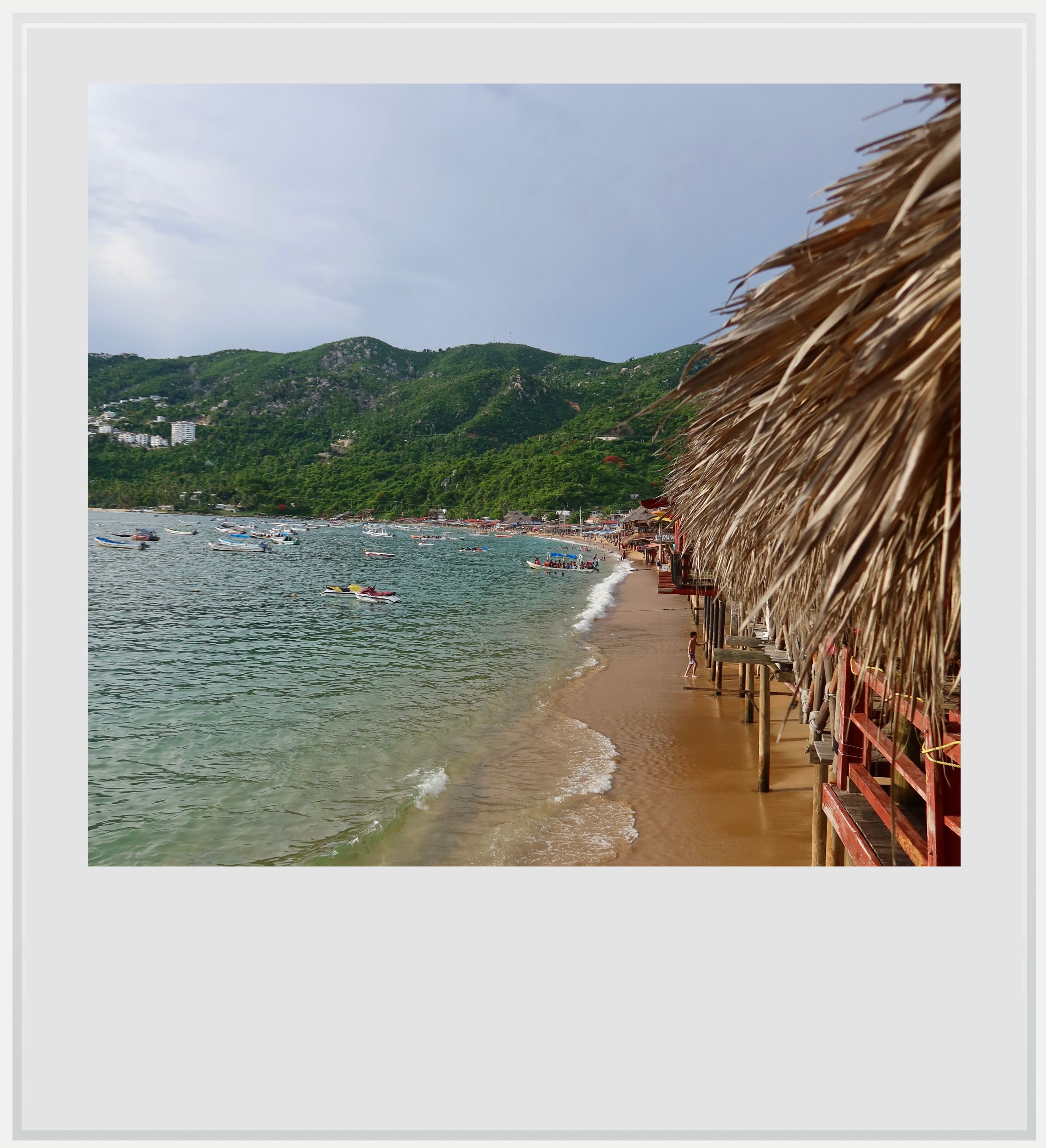
Restaurants on the beach at Playa Puerto Marques in Acapulco.
By the late twentieth century, the region had become a strategic hub for illicit trade. The harbor, one of the principal ports on Mexico’s Pacific coast since the Spanish conquest, had for decades served as an entry point for drugs from South America bound for the United States, making control of the area strategically important for rival cartels.
In the 2000s, the city was controlled by the Sinaloa cartel which managed to keep other groups at bay, preserving a fragile calm in the area. In 2005 however, the Gulf Cartel decided to make a move for control of the port, and violence erupted. The event that is still present in many Guerrerenses’ minds occurred on January 27, 2006. The Garitazo, as it is known, took place in the hilly neighborhood of La Garita when local police fought against heavily-armed men from the Sinaloa cartel called into the city to help defend it against the Gulf cartel. The resulting battle, in the middle of a heavily populated area, lasted almost an hour, with several people killed or severely wounded.
Hurricane Otis was one of the worst natural disasters in the history of the country.
Because violence erupted in a relatively safe area of the city, El Garitazo marked the beginning of a very dark period for Acapulco, synonymous with guerilla tactics that brought extreme, visible violence to the whole city, and led to smaller regional cartels constantly fighting each other, a situation that hasn’t fundamentally changed ever since - in the past twelve months, the homicide count totaled 376, making Acapulco one of the most dangerous cities in Mexico.
Although never designed for this purpose, the Diamond Zone’s individual developments, with their gated communities and private security, were relatively insulated from violence and remained frequented by wealthy Mexicans. Foreigners however, had mostly decamped to more peaceful beach towns.
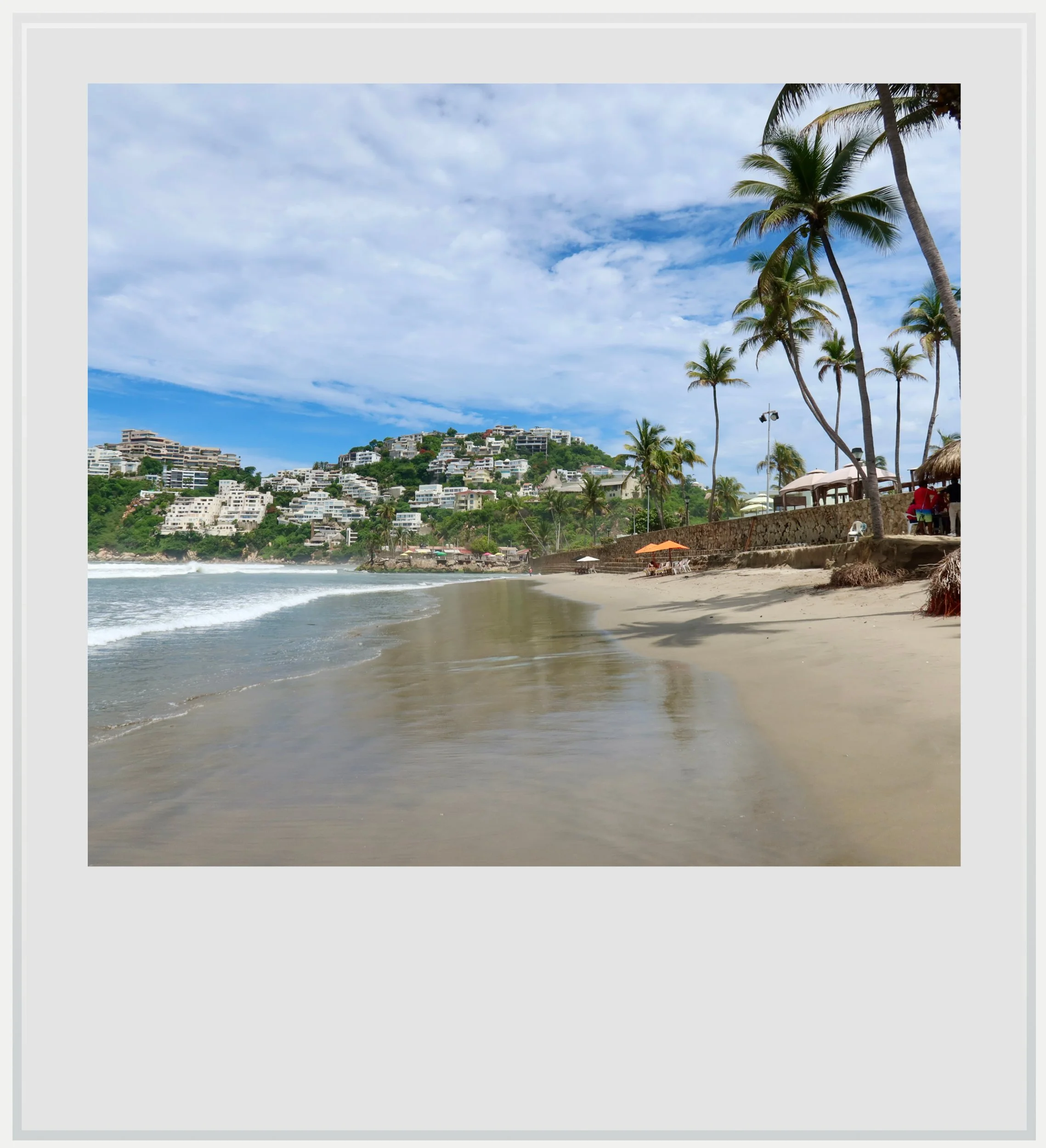
Playa Revolcadero in Acapulco Diamante.
If the drug wars shaped Acapulco’s most recent history, the city had also been living under another shadow for much longer: natural disasters. The State of Guerrero is located in a very active seismic zone, and the 1985 earthquake that shook the resort was one of many contributing factors in the development of the Zona Diamante: modern construction methods and lower scale buildings were thought to be a better long-term bet on resilience.
Earthquakes weren’t the only natural phenomenon to watch, though. The region lies in the Pacific hurricane belt, and has seen its share of major disasters over the past decades. Before 2023, the biggest storm system to inflict damage to Acapulco had been Hurricane Pauline, in 1997, although most of the destruction was caused by landslides in the poorer areas of the city, far from the tourist zones.
2023 was a pivotal year for Acapulco. On October 25, the city was directly hit by Hurricane Otis, one of the worst natural disasters in the history of the country. Otis was the strongest hurricane to ever make landfall on the Pacific coast of Mexico and it did so right on Acapulco. As if this wasn’t enough, it also went from a tropical storm to a category 5 hurricane in less than 24 hours, an unprecedented intensification that prevented officials from warning the population in time to blunt some of the storm’s impact.
There was definitely a before and after Otis for Acapulco, and images of the hurricane destruction were shared across the world, as they painted such an apocalyptic picture of a lost tropical paradise. This time, the Zona Diamante wasn’t spared, as it had somewhat been with the cartel wars: the extremely strong winds ravaged many buildings across the city, but the area’s location on reclaimed wetlands between the ocean and a lagoon left it particularly vulnerable to flooding. It seemed like, no matter how it tried, the city couldn’t catch a break.
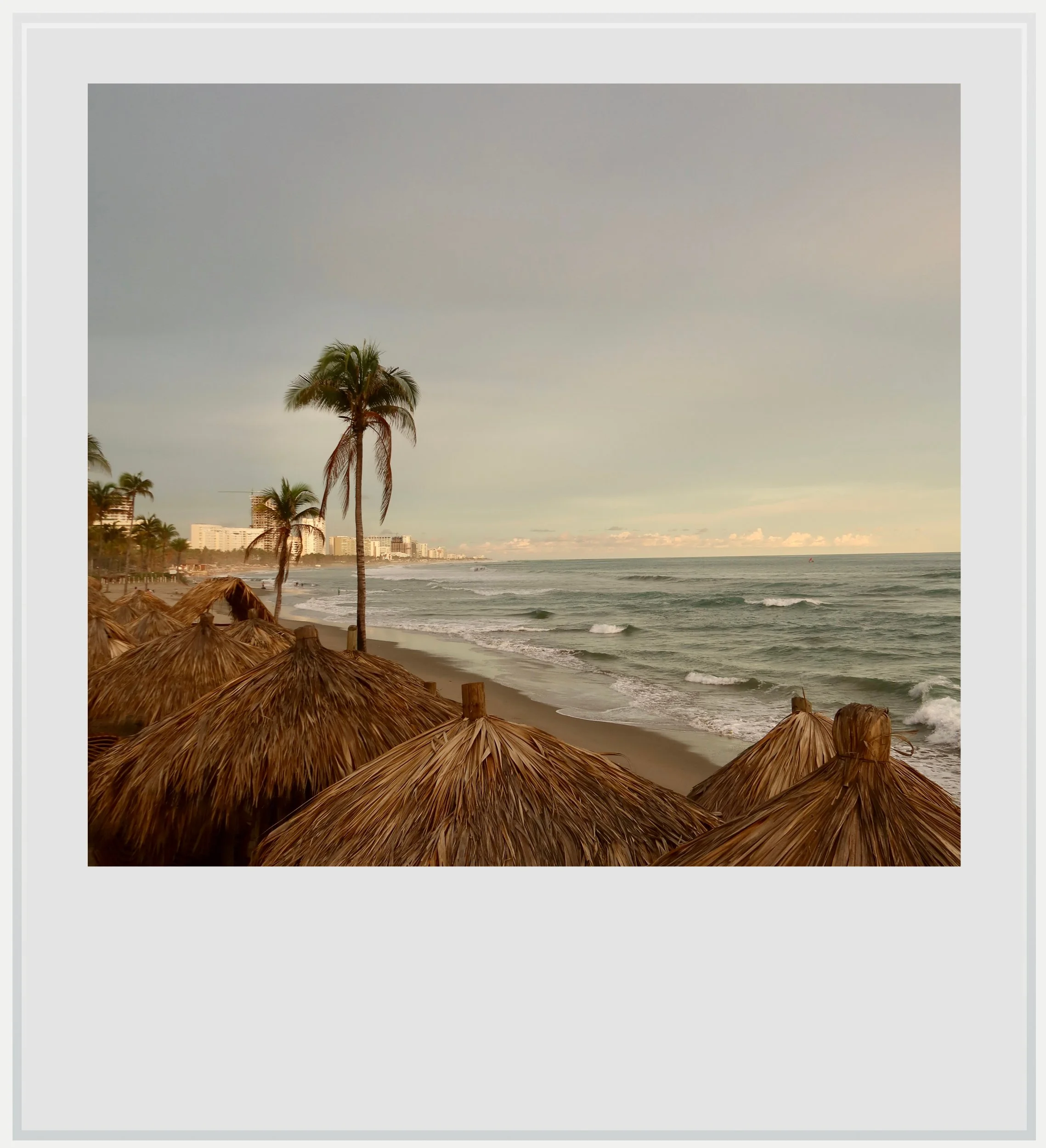
Playa Revolcadero around sunset in Acapulco Diamante.
While Otis’ destruction was still very visible during my trip to the more traditional areas, along the Costera avenue, it seemed like the Zona Diamante had been able to rebound faster. Along its main thoroughfare, Avenida de las Naciones, buildings seemed in overall good condition, as if nothing had ever happened. The Walmart, like many commercial properties in the neighborhood, suffered heavy damage during the hurricane. Today, it looks almost brand new, a visible reminder of how rapidly the commercial heart of Zona Diamante recovered.
Yet look beyond the surface and cracks begin to appear: the La Isla mall, previously home to major international brands, and one of the premium malls in the Acapulco area, has yet to reopen, almost three years after Otis. Only the main department store is currently in business, and the full mall is scheduled to reopen in November 2026. Puerto Marqués beach, between the famous Acapulco Bay and the Diamond Zone, felt hastily rebuilt. While this area recovered faster than the bay, signs pointing to the recent hurricanes damages are everywhere if you look closely.
Acapulco is a story of two tourist realities.
This wasn’t really on my mind as I enjoyed the lush, manicured grounds of the Pierre hotel, seemingly far away from the violence Acapulco statistics show. The hotel itself had been meticulously restored after sustaining extensive damage during Hurricane Otis. We were there in June, a relatively quiet time according to our bartender, and the pool never really got busy. Around us, we saw many Mexican families, having come down for the week or just the weekend to enjoy the beach and the tropical weather.
I struggled to reconcile the default view of Acapulco, Mexico’s poster child for unsafe beach towns, and the very real nonchalance of upper middle class families lounging by a quiet pool surrounded by swaying palm trees. Both were actually true, and I had to remind myself we were among the privileged few, being insulated from the criminal violence that plagues less fortunate neighborhoods.
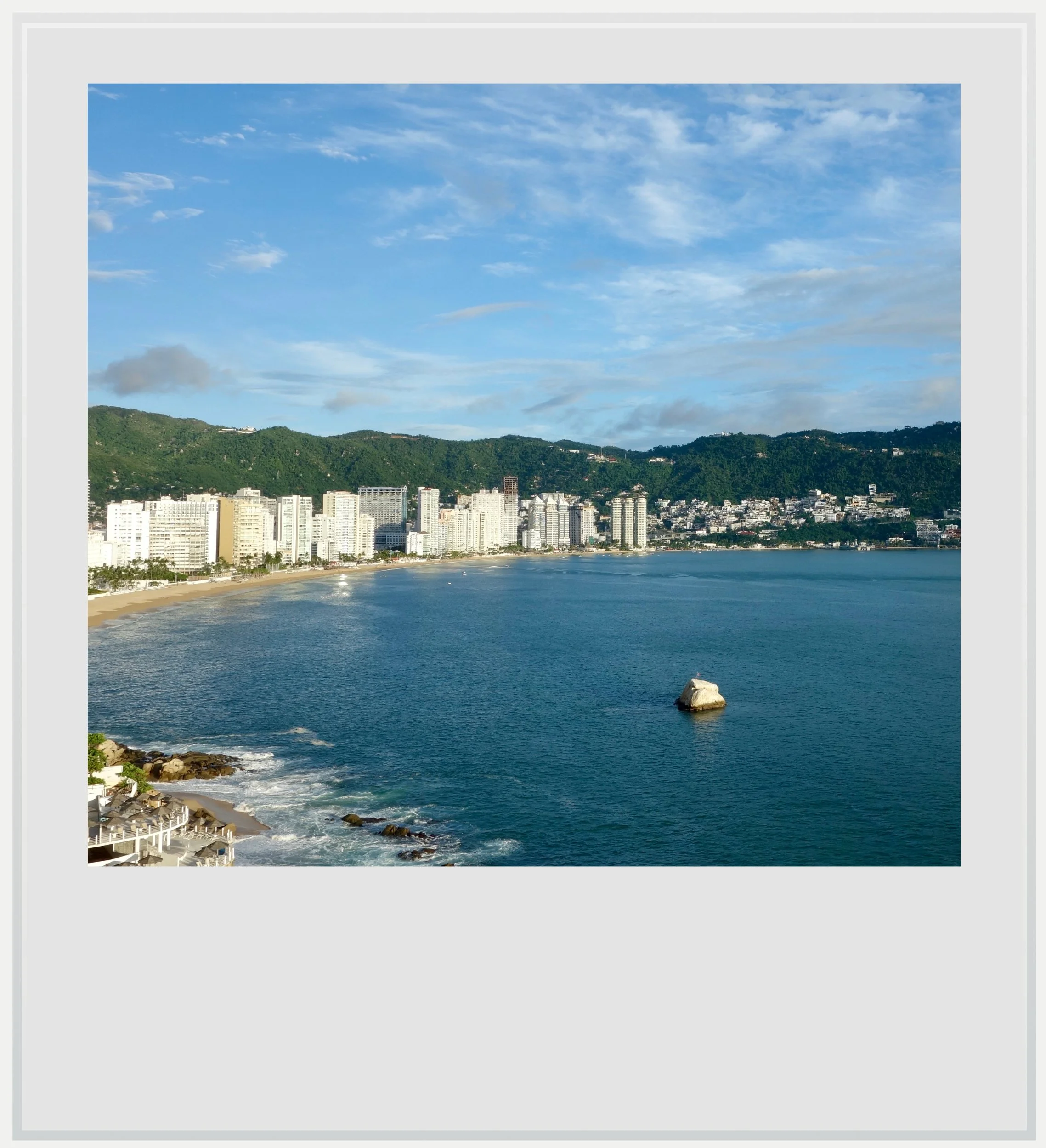
The southern side of the Golden Zone in the Costera area of Acapulco.
After having visited the Costera area and now the Diamond Zone, I realized Acapulco was a story of two tourist realities: the Costera remains the vibrant symbol of the old Acapulco, a dense city along one of the most wonderful natural bays on Earth, burdened by older buildings and infrastructure that hasn’t fully rebounded from Otis. In many ways, it reminded me of somewhat dilapidated version of Rio’s Copacabana. It is also undeniably charming, chaotic and more middle-class.
Zona Diamante on the other hand, feels less like a city and more like an immense resort enclave - low-scale buildings except on the actual shore, square blocks and parking lots, a sort of American-designed capsule with private security and gated entrances, and the city’s own answer to Cancun. It is sobering to think that this urban-planning choice insulated it somewhat from cartel violence but couldn’t help it withstand the impact of Otis, which battered many parts of the city.
The Pierre hotel became the perfect metaphor for this trip: I had come to discover the new Acapulco, and ended up staying in one of the most iconic hotels of its golden era, right in the middle of Zona Diamante. It crystallized what I had come to realize over the weekend: Zona Diamante never replaced old Acapulco. Today, it complements it, neither aiming nor able to erase what lies on the other side of the mountains: the dense, chaotic beating heart of the Pearl of the Pacific.
Practical information
(Everything you could possibly want to know about Acapulco - updated July 2026. This section partly reuses information from my earlier trip to the older Costera side of town, updated for the Riviera Diamante neighborhood)
Getting to Acapulco
How to get to Acapulco from the United States: given the longstanding security issues throughout the state of Guerrero, very few American tourists visit Acapulco, which means non-stop flights to and from the US are hard to come by. American Airlines flies to Acapulco (ACA) year-round from Dallas Fort Worth (DFW), once or twice a week, depending on the season. United airlines also offers non-stop flights to Acapulco, from Houston (IAH), once or twice a week. Another option is to fly a Mexican airline, most likely Aeromexico, due to the breadth of its US network, and connect in Mexico City (MEX) onto a domestic flight to Acapulco. Aeromexico flies twice a day between Mexico City’s main international airport (MEX) and Acapulco, making connections to and from the US convenient.
From Acapulco airport, take an official taxi (“taxi seguro”) to wherever you’re going. The trip costs are fixed, although quite inflated from most resorts. Note Uber doesn’t operate in Acapulco, which keep taxi prices high.
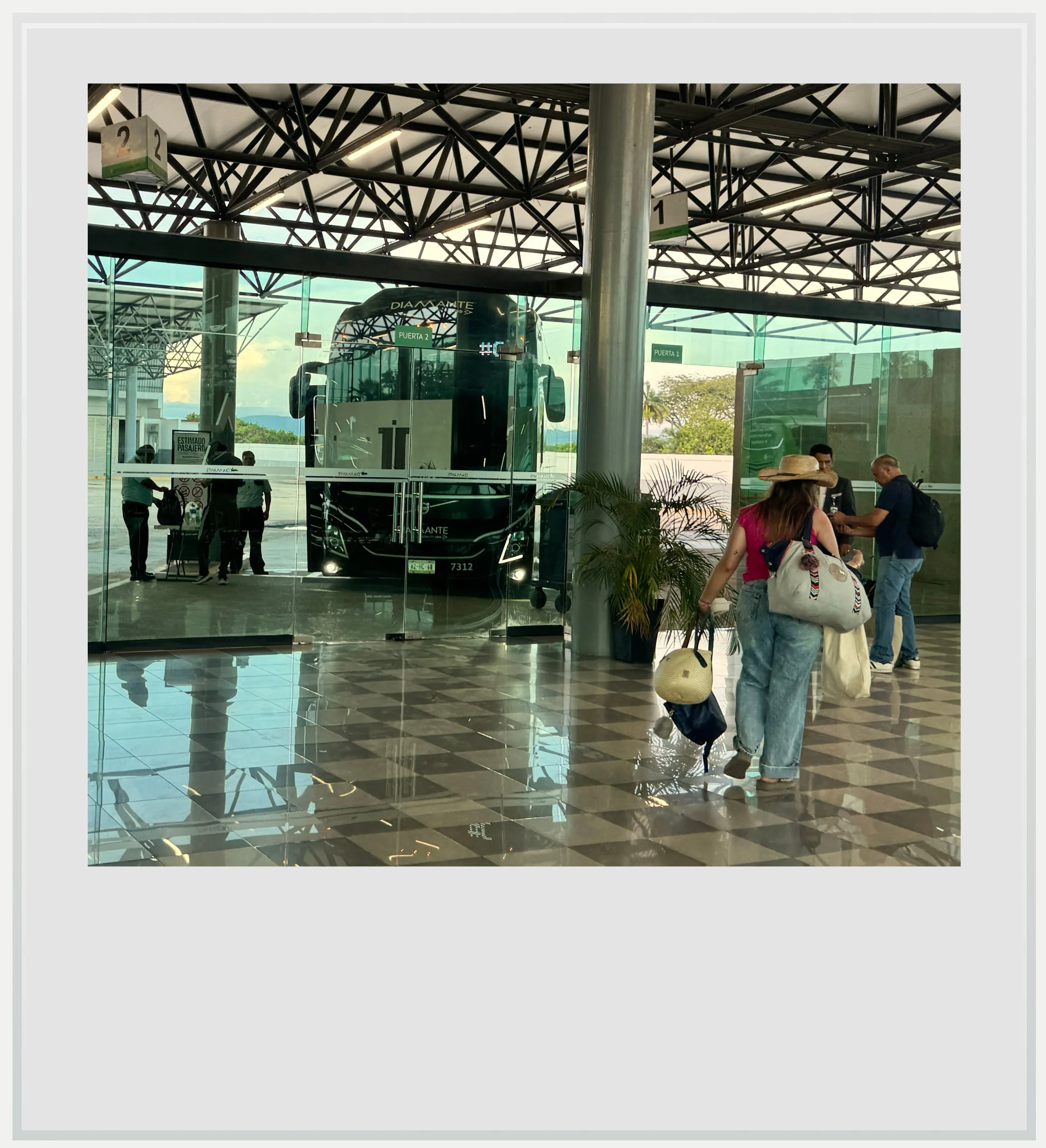
Getting back to Mexico City on an Estrella de Oro Diamante bus.
How to get to Acapulco from Mexico City: it is possible to fly to Acapulco from Mexico City. From Benito Juarez airport (Mexico City’s main airport, or MEX), Aeromexico operates two flights a day on most days. Viva Aerobus flies daily from Mexico City’s secondary airport, AIFA (NLU).
Another way to get to the Pacific ocean from the capital is to take a bus. There are many options, which make bus travel a lot more convenient, although, all in all, it is a slightly longer trip than via air. I cover all of them in detail in my Mexico City to Acapulco on a luxury bus trip report. Estrella de Oro is your best best, with the most departures from the southern terminal, also known as Terminal Taxqueña. Estrella, part of the ADO group, offers two levels of comfort on the route: Pluss, which is an executive service, and Diamante, a luxury offering. Check out the difference between the two and much more in an article that explains all the intricacies of bus service in Mexico here.
The trip takes 5h or so, depending on traffic, on a toll highway that’s heavily patrolled by the military to ensure a good level of safety. The scenery is gorgeous, and the seats so comfortable you’ll probably fall asleep at some point (I know I did). One-way Diamante fares vary between MXN 600 and MXN 950. The earlier you buy your ticket, the cheaper the fare will be.
Bus companies have different terminals in the city, but Estrella de Oro can get you either to the Costera area (the old Acapulco bay) if you pick Terminal Costera as your destination or to the Zona Diamante via the Terminal Diamante (don’t trust Google Maps on this, the link above points to the right terminal).
When to go to Acapulco
Weather wise, Acapulco is best visited between November and May, during the dry season. Weather is gorgeous, with little to no rain and perfect temperatures.
June to October is the rainy season, with frequent tropical rains and a higher humidity level which makes the heat a little less enjoyable. Acapulco can be visited during these months but be prepared for at least a strong shower in the late afternoon - just bear in mind the most active part of the hurricane season will go from July to October.
From a crowd’s perspective, shoulder months outside of busy Mexican holidays are the best (October/November, April/May). If you don’t enjoy crowds, avoid December and early January, as well as the weeks around Holy Week, which is a big holiday period in Mexico.
Weekdays tend to be quieter, as the area is a well-known weekend escape from the broader Mexico City area.
Safety in Acapulco
As explained in the article. the safety situation in Acapulco is a sad snapshot of drug cartel violence in Mexico. The US Department of State gives the state of Guerrero a Level 4 “Do Not Travel” label, which is shared with countries that are at war (Ukraine, Yemen), where risk of terror attacks is high (Afghanistan, Mali) or, as is the case for Guerrero and some other parts of Mexico, severe crime can happen with a higher probability (Mexico’s country-wide ranking is level 2, or “exercise increased caution”).
In the past, the US government would carve out exceptions for parts of the state: a few years ago, places like Zihuatanejo and Taxco would be OK for tourists to visit. Today, the whole state is covered by the Level 4 warning - although it must be noted that Canada and the UK deem the area around the resort town of Zihuatanejo safe to visit as long as travel is made by air.
Would I recommend a visit to Acapulco today, knowing all of this? It probably isn’t a destination for the average traveler, although the Riviera Diamante, with its newer buildings , gated communities and private security is a safer bet. While some signs of Hurricane Otis are still there, most of the hotels and businesses in that area have been rebuilt, some looking brand new. In that neighborhood of Acapulco, I didn’t feel the oppressive feeling of a town that had trouble getting back up, and my overall impression of the safety situation shifted slightly. It’s also true that one can spend a full weekend enjoying the safe, patrolled grounds of an upscale hotel without feeling the need to ever go outside, and in that context, resort-style Acapulco can feel very safe. Citywide, however, the risk of violence is real, but taking a non-stop bus and staying in Zona Diamante felt safer, if also a bit more placeless than the historic neighborhoods.
Apply the basic behaviors I list in all my Mexican articles (checking the local news beforehand, knowing where you’re going, keeping your wits about you, not flashing expensive clothes or phones, not doing things you shouldn’t do, staying in touristy areas, avoiding walking at night, only taking official taxis from taxi stands) and you can enjoy Acapulco and its fantastic scenery in a way that will limit the likelihood of anything bad happening.

Condiments on our table at El Sirenito restaurant in Acapulco.
Food & lodging in Riviera Diamante
We picked the Pierre Mundo Imperial hotel on Revolcadero beach, for its lower scale than its sister and neighbor property, the Princess hotel. It was a perfect upscale hotel with carefully manicured grounds, several pools, the kind you could check in on Friday afternoon and check out late Sunday without ever having to leave the property.
Whatever damages it suffered during Otis have been repaired, and in many ways, it felt like the hurricane never happened. Although extremely well-maintained, the hotel was built in the late 1950s and has kept that old-Acapulco identity that feels both charming and iconic.
The breakfast buffet was excellent although pricey and better purchased in advance, with plenty of very Mexican options that were all delicious. I recommend splurging for the food and the settings, in a shaded, open-air area in front of the sea. All-inclusive plans were also available.
The hotel has a couple of restaurants open for lunch and dinner, a cafe offering hot and cold drinks, as well as snacks (I wasn’t a big fan of their espresso, but there is a Starbucks a mere 5-minutes away by taxi if the need arises).
We had a late lunch before heading back to Mexico City at El Sirenito, a nice seafood place under a big palapa with an extensive and delicious menu.
Every photo caption will appear if you hover over it (on a computer) or click on it (on a smartphone).
All photos are mine and copyrighted.